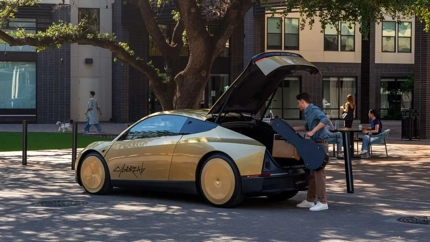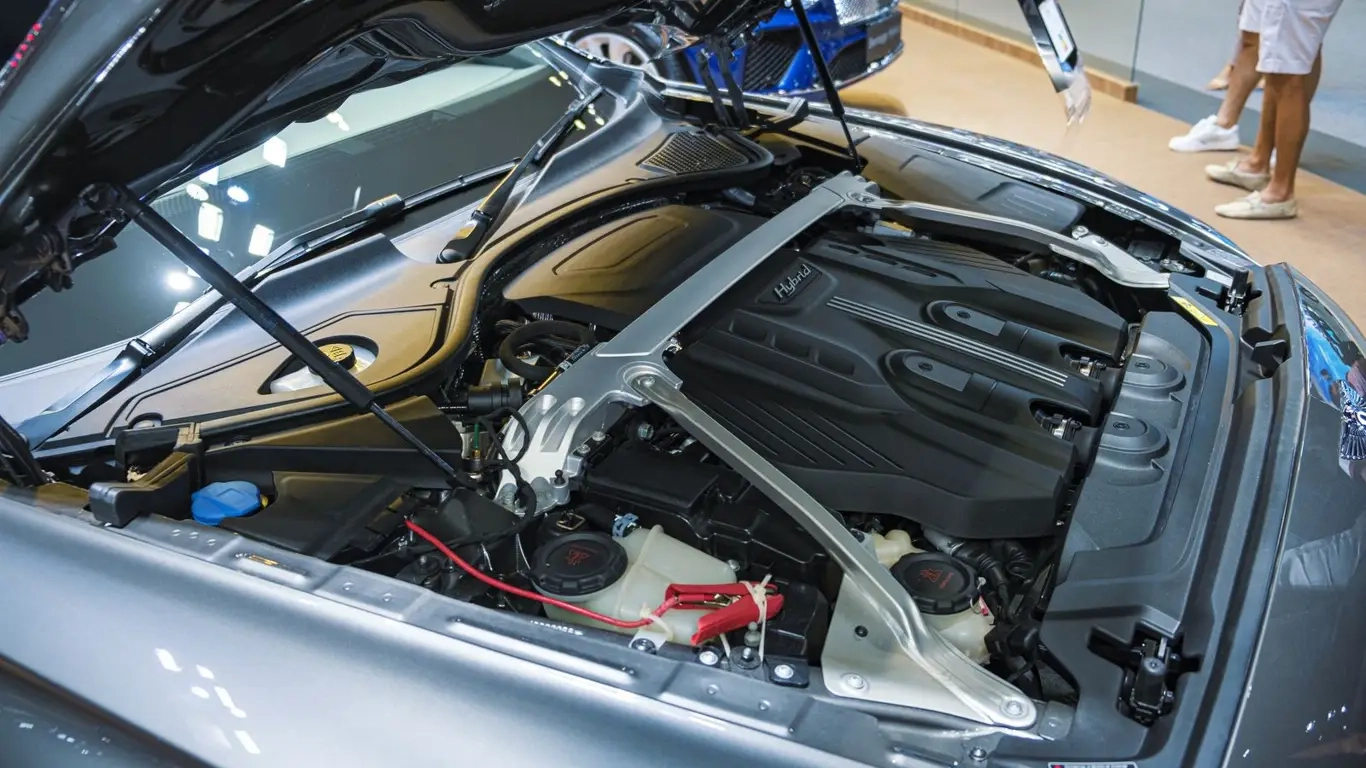

Diesel hybrids remain one of the most sensible choices for drivers who care about low fuel use and serious range. In 2026, at least 20 new models are slated to arrive—mostly with 48-volt MHEV setups, with a few stepping up to more advanced PHEV solutions. The breadth alone hints that efficiency still matters as much as ever.
Audi is preparing the new A6 and A6 Avant with a 2.0 TDI MHEV rated at 204 hp, followed later by the larger Q7 and Q9, which will adopt an updated 3.0 TDI making nearly 300 hp. That keeps torque-rich drivetrains front and center in the brand’s big cars and SUVs.
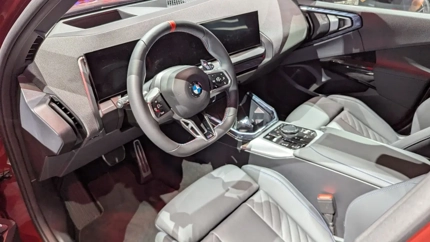
BMW will unveil the next-generation 3 Series while retaining diesel versions from 150 to 340 hp, and it will also refresh the X1, X2, X5, and 7 Series. Holding on to a wide diesel range across segments looks like a distinctly pragmatic move.
Kia and Hyundai will continue offering the familiar 1.6 CRDi MHEV with 136 hp in the Sportage and Tucson, though the latter may drop diesel in its next generation. It’s a reminder that mainstream brands are hedging their bets as regulations and demand keep shifting.
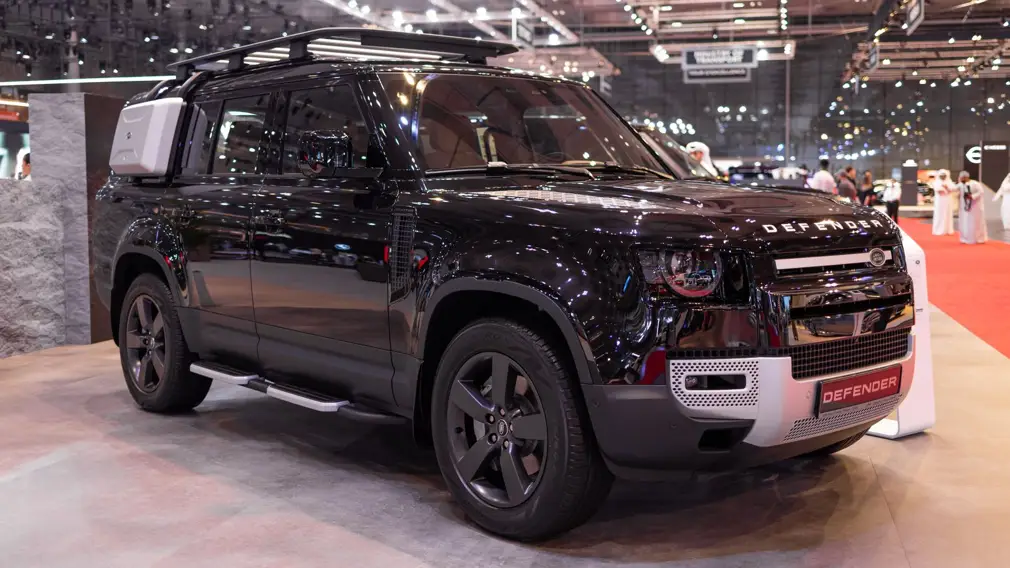
Land Rover has refreshed the 2026 Defender and kept the 3.0-liter diesel with MHEV assistance (200–350 hp). Mazda’s CX-60 and CX-80 will also be updated and gain compatibility with HVO100, a cleaner diesel fuel—practical tech that fits neatly into real-world use.
Mercedes remains the only brand pairing both MHEV and PHEV systems with diesel engines. For 2026, updated C-Class and C-Class Estate models are expected, including the C 300 d e PHEV with 313 hp, along with facelifts for the GLE, GLS, and S-Class featuring diesels up to 367 hp. Keeping both paths open feels logical given the brand’s long-distance focus.
Toyota will add a 48-volt diesel-hybrid to the Land Cruiser: a 2.8 turbo-diesel with 205 hp plus an electric boost. That combo should play to the model’s strengths—towing, range, and capability.
Volkswagen, meanwhile, is heading the other way: in 2026, the brand’s new models lean on electrification and gasoline-hybrid solutions, stepping away from diesel entirely. A clear sign of how diverse the strategies across the industry have become.