
A big SUV — but a much smaller shadow. BMW Group has revealed how exactly the new BMW X5 is meant to become one of the greenest cars in the brand’s lineup. The measures to cut the carbon footprint cover the entire life cycle of the SUV: the supply chain, assembly, the use phase, and recycling. And they apply to every version — from petrol to fully electric.
The main battleground is the supplier network. According to BMW, already during the development of the new X5, supply chain CO₂e emissions were trimmed by roughly 40 percent. That’s no small number. About half of the flat steel for the body is now steel melted in electric arc furnaces, with a high share of secondary raw materials and renewable energy. BMW links this to local suppliers in North America.
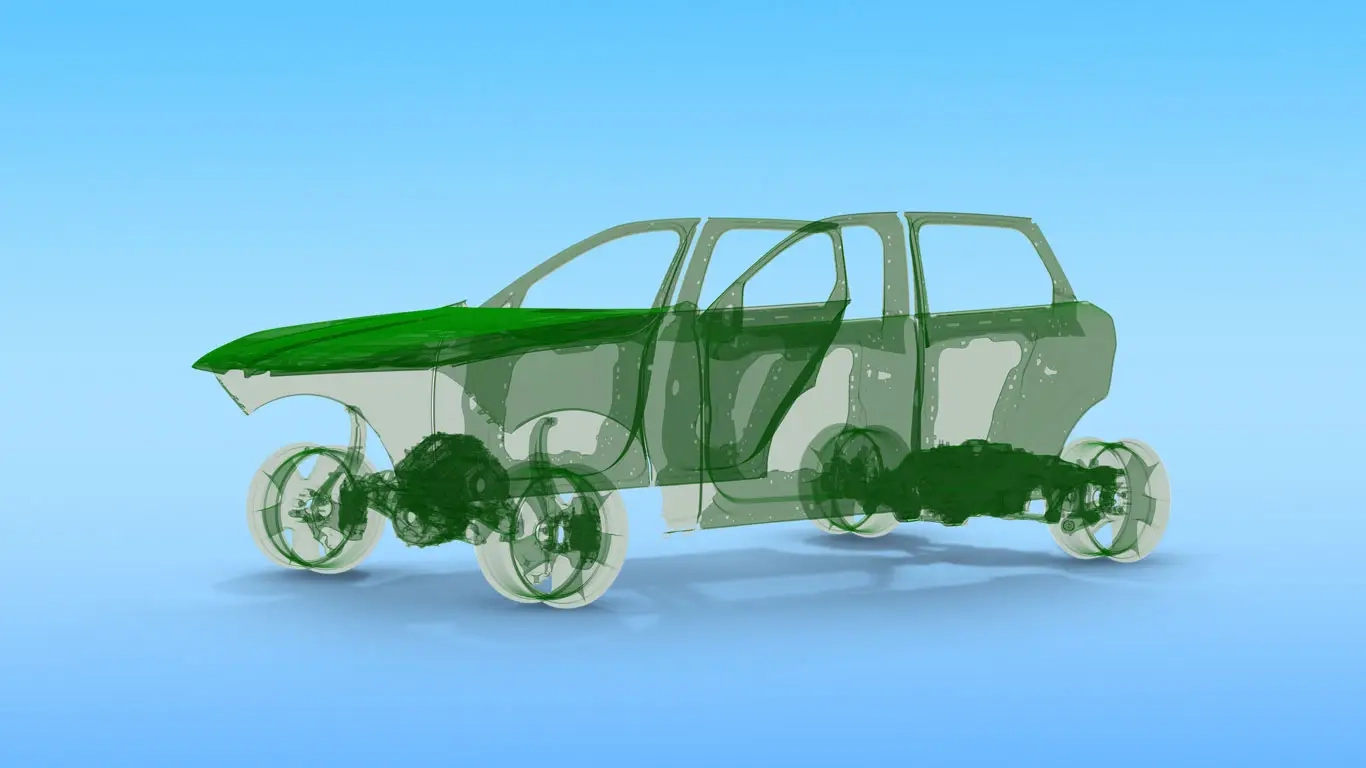
The share of secondary materials in the build is noticeably higher. Aluminium suspension components — wheel carriers, swivel bearings, rear axle elements, brake calipers — are produced using renewable energy. The doors are 35 percent recycled and closed-loop aluminium from the press shop at BMW’s Spartanburg plant. And the base yarn for the headliner is 100 percent recycled PET. The very same raw material plastic bottles are made of.
The electric iX5 60 xDrive is a story of its own. Around a third of its weight comes from secondary materials. In absolute terms — roughly 940 kilograms. The new Gen6 battery cells contain a higher share of recycled cobalt, lithium and nickel. And here’s the key part: compared to the Gen5 cells in the BMW iX, CO₂e emissions per watt-hour are down by about 28 percent.
Production of the X5 stays at BMW’s Spartanburg plant — the group’s largest site. All external electricity for the facility comes from renewable sources. And the dry numbers say it all: between 2006 and 2025, energy use per vehicle built there dropped by 66 percent, while landfill waste fell by 88 percent.