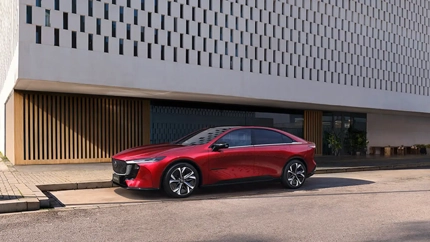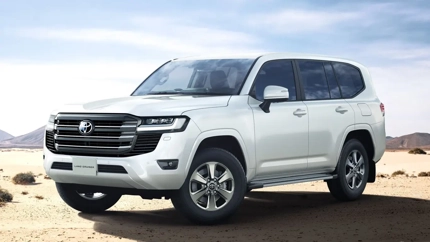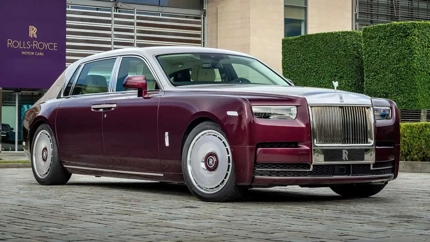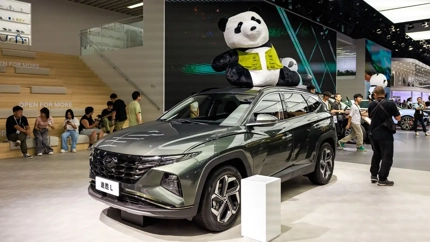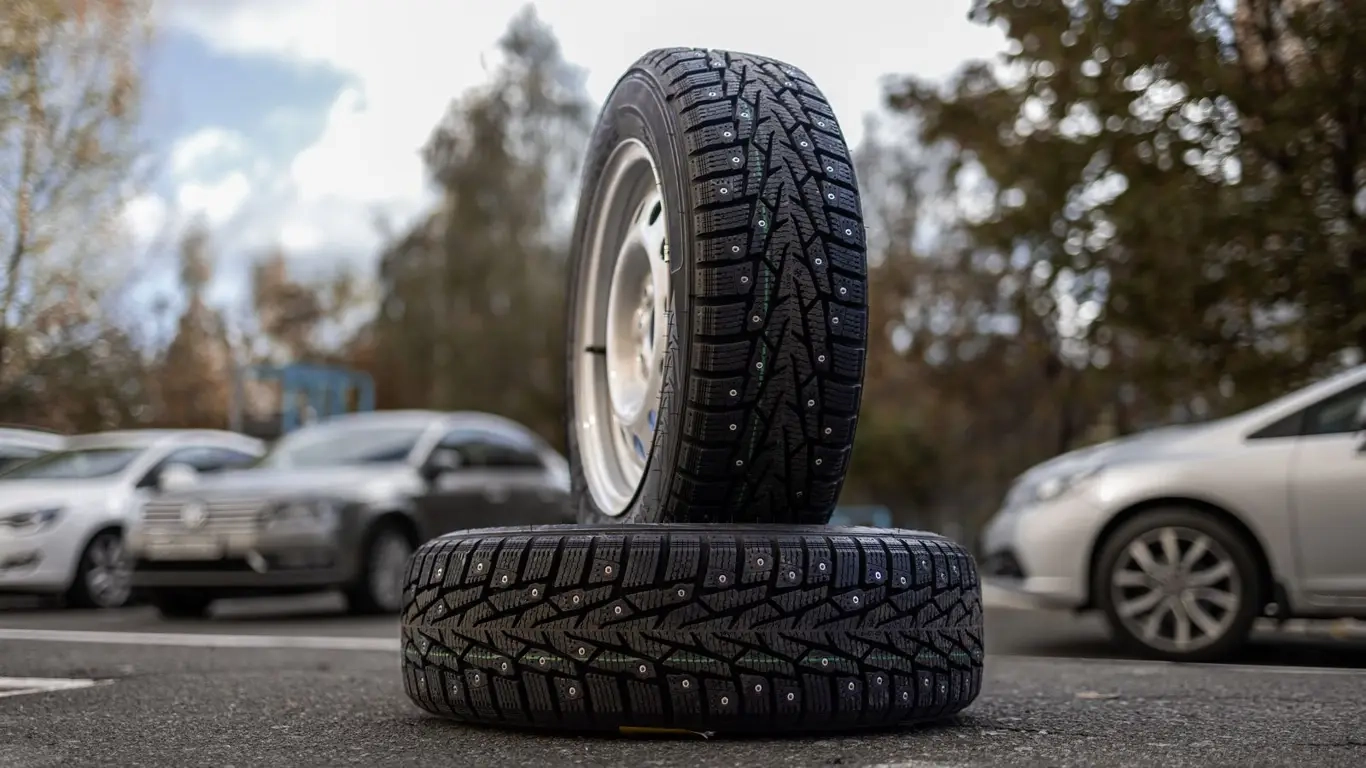

Myths have piled up around EV tyres. Almost every EV owner has heard that these cars need “special” rubber. But why it is needed — or whether it is needed at all — almost nobody actually knows.
The numbers prove it. A UScale survey of more than 1500 owners found that three out of four had heard of such tyres, yet fewer than half feel they know enough to choose wisely. In other words, most are buying half-blind.
Myth one — you can fit any tyre to an EV. Technically there is nothing to argue with: as long as the load and speed ratings are respected, the law does not force you to hunt for an EV-specific model. But legal is not the same as optimal. An EV is 200–500 kg heavier than its combustion equivalent because of the battery, and all that mass lands on the rubber. Hence the faster wear, the twitchy behaviour in quick corners, the grip on wet asphalt and, above all, the range. The key figure here is rolling resistance: the lower it is, the less energy the car wastes.
How serious is that? According to Continental, cutting rolling resistance adds 3–4% to range. And Auto Bild tests showed a spread of more than 2.5 kWh per 100 km between different tyres — for a 75 kWh battery that is up to 50 km of extra mileage. Fifty kilometres you simply throw away by fitting the wrong rubber.
Myth two — a vicious electric motor with monstrous torque shreds tyres to dust in no time. In reality it is far more mundane: modern traction systems meter power down to the millisecond and kill wheelspin. What destroys rubber is not electric torque but the car’s mass, wrong pressure, botched alignment and an aggressive driving style. Smooth acceleration, regen, regular pressure checks and honest suspension geometry — and a set lasts noticeably longer.
EVs also have a sneaky quirk — silence. The motor is mute, so the tyre hum that used to drown in engine roar on a petrol car now takes centre stage. The makers’ answer is sound-absorbing foam inside the tyre: it dampens resonance and cuts perceived noise by up to 9 dB. On the motorway that is not a line in a spec sheet but a real difference between “quiet” and “droning”.
Myth three — EV tyres always cost astronomical money. There is a gap, but it is usually 10–30%, and it pays for itself through lower energy use and more even wear. There is still no universal answer: a good regular tyre can work beautifully on an EV, while a cheap unsuitable one is a gamble in which both your wallet and your range lose.
Tyre makers see the market differently too. Continental applies an EV Compatible marking and does not always split models into “for ICE” and “for EV” at all. Michelin built the e.Primacy and Pilot Sport EV, then returned to a more universal strategy.
Pirelli went all in: its Elect technology, created specifically for electric cars, has already racked up more than 500 homologations. Goodyear has an EV-Ready lineup, Falken the e.ZIEX family, and Bridgestone more often tailors a tyre to a specific model right at the factory. And from 2028 the whole subject stops being a matter of taste — Euro 7 enters the game.
The new rules introduce, for the first time, requirements for the wear of the tyres themselves. For new type approvals of passenger-car tyres (class C1) they take effect on 1 July 2028, and from 1 July 2030 tyres that fail them can no longer be placed on the market. The goal is to slash the microparticle emissions from tread abrasion that almost nobody used to mention.
The takeaway for owners is simple. An EV does not always need a strictly “special” tyre — but it definitely needs a suitable one. Look not just at size and price tag, but at the load index, rolling resistance, wet grip, noise and lifespan. The money you save on the first set will evaporate the moment the car starts losing range, balding faster and clinging worse to the tarmac.