
Despite the popularity of SUVs, minivans remain the most practical kind of family car. They offer easier access to the cabin, more space, and richer equipment for the same money. A Honda Odyssey versus Jeep Grand Wagoneer comparison illustrates this clearly: with a smaller footprint, the minivan still provides more third-row room and a significantly larger cargo area. In the day-to-day, that extra space is what families actually use.
One of their core strengths is ease of entry and access. A low step-in height and sliding doors simplify life for households with kids and older passengers, while flexible layouts such as Honda’s Magic Seat let you tailor the cabin to almost any task. In everyday errands, that convenience often matters more than sheer size.
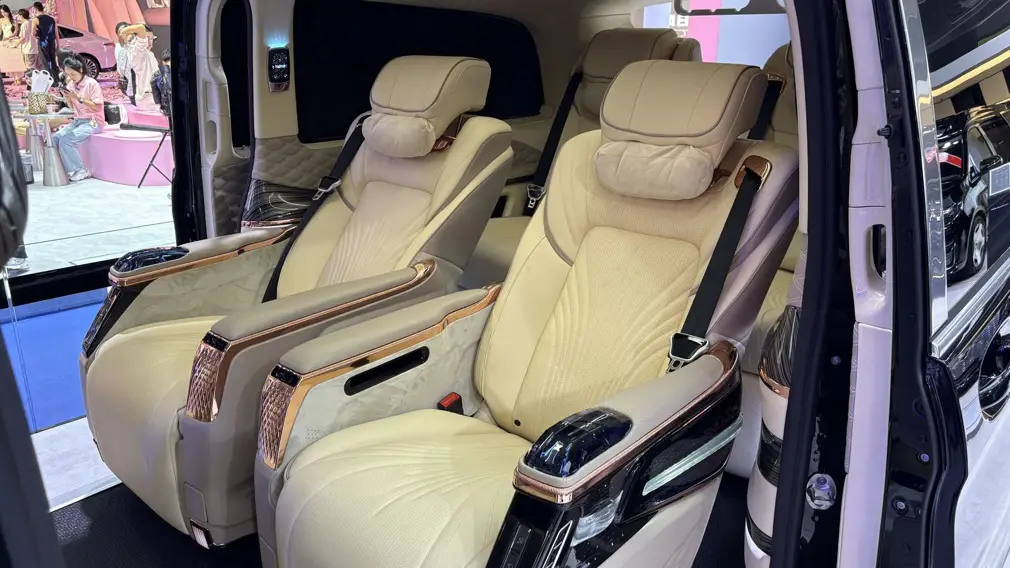
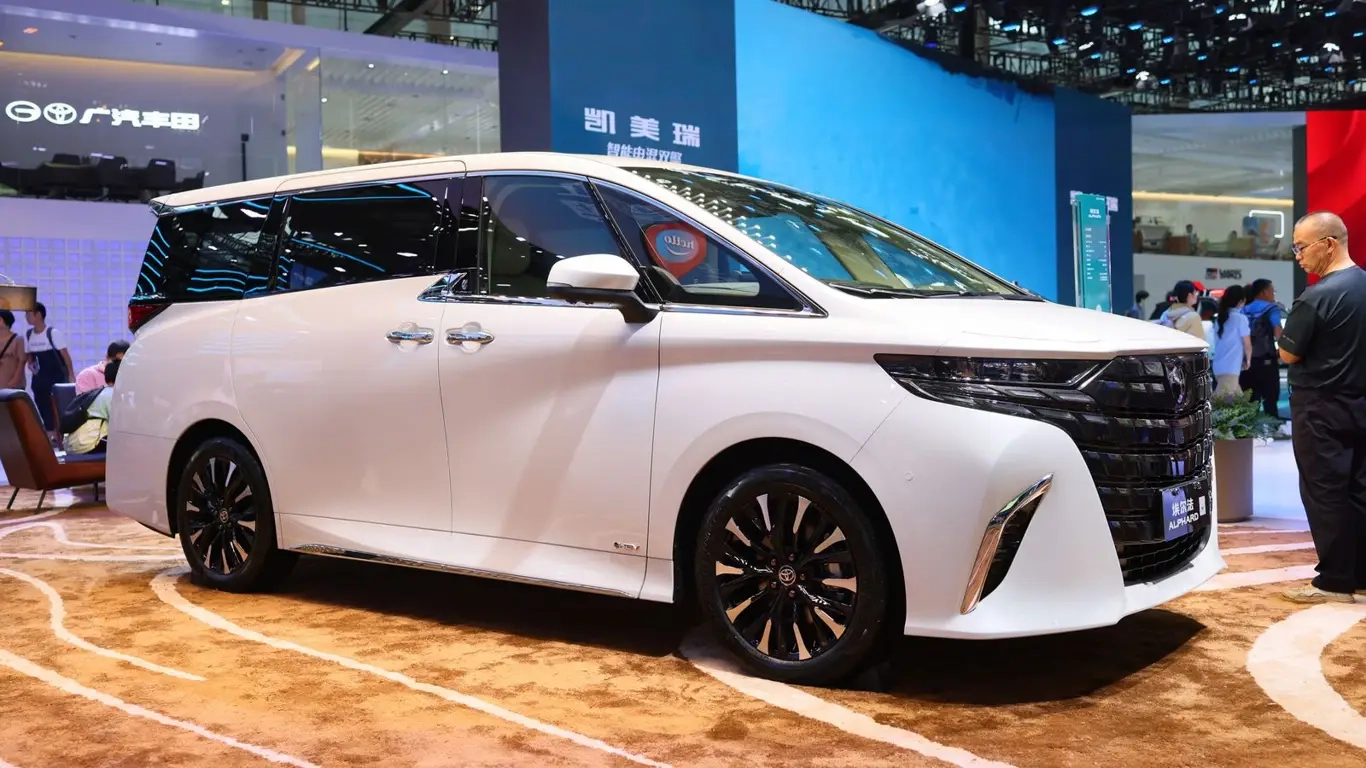
Minivans also deliver stronger value on equipment. At a price comparable to the Grand Highlander Hybrid LE, the Toyota Sienna XLE offers a more advanced interior and a broader list of features, without giving up either power or towing capability. The SUV’s advantage is standard all-wheel drive; if that isn’t essential, the minivan is the more sensible pick.
Safety is another argument. The Sienna received the highest IIHS rating, whereas the Grand Highlander underperformed in an important frontal test. Taller crossovers are also more prone to rollovers and are less visible to pedestrians—trade-offs few families will welcome.
Minivans often ride more smoothly thanks to their unibody construction and lower center of gravity. In many situations, they feel more comfortable and more predictable than large SUVs.