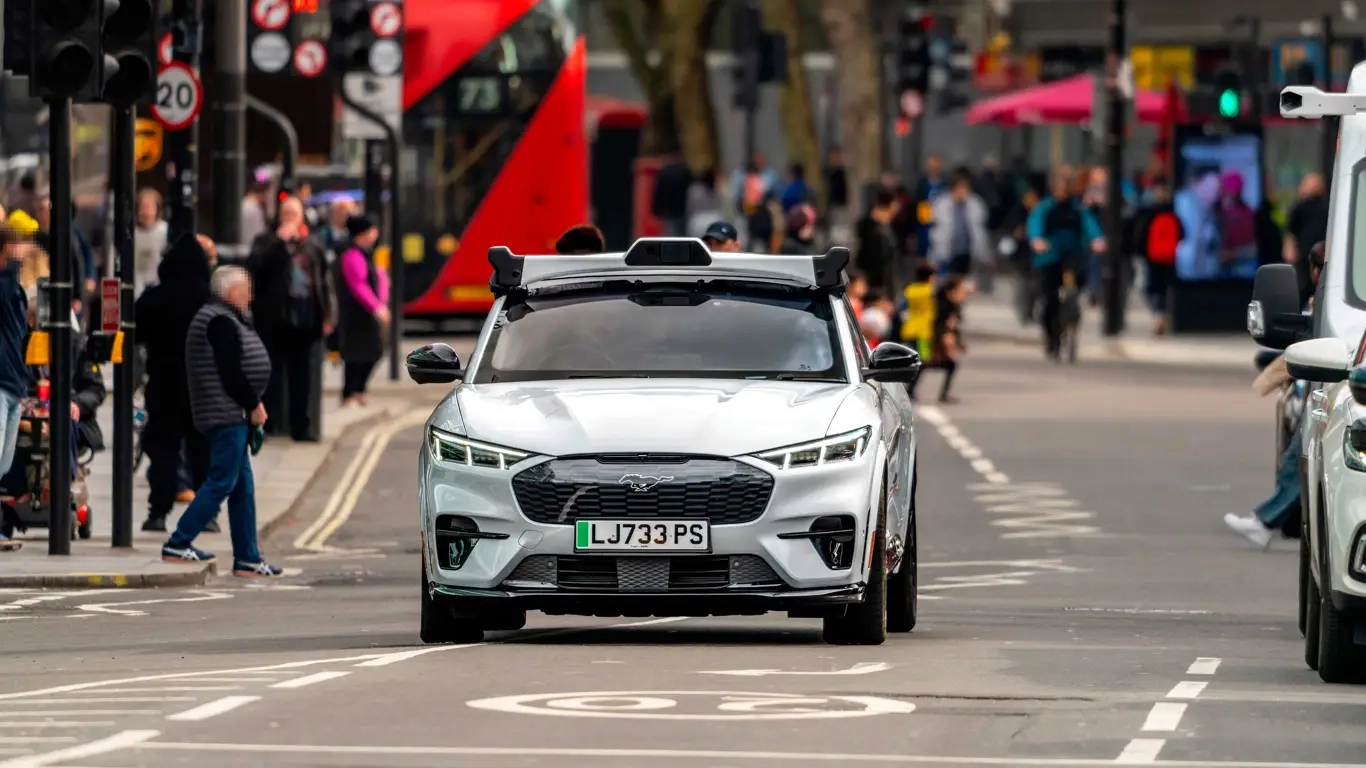

Self-driving cars keep blocking the very people rushing to save lives — and U.S. regulators have decided enough is enough. The National Highway Traffic Safety Administration (NHTSA) has demanded that companies developing autonomous vehicles urgently fix how their cars interact with emergency services. NHTSA Administrator Jonathan Morrison said the agency has identified a persistent, troubling pattern of dangerous incidents.
The picture isn’t pretty. Autonomous vehicles have driven straight into active emergency scenes, blocked the path of ambulances and fire trucks, and sometimes simply failed to understand what was happening around them — not recognizing flashing lights, flares, smoke, fire, traffic cones or police hand signals. NHTSA’s message is blunt: these can no longer be treated as rare exceptions.
One episode stands out. In Austin, a Waymo robotaxi delayed an ambulance for roughly two minutes as it headed to the scene of a mass shooting. Two minutes is a lot when every second counts. First responders have also reported vehicles blocking fire stations or freezing in place while officers tried to clear the way.
The regulator plans to hold meetings with developers by the end of July and demand concrete solutions — stalling won’t be an option much longer. NHTSA also warned it may pursue enforcement action if companies fail to address the significant risks. For now, this is an official demand and review, not a new robotaxi ban — but the regulator’s patience is clearly running out.