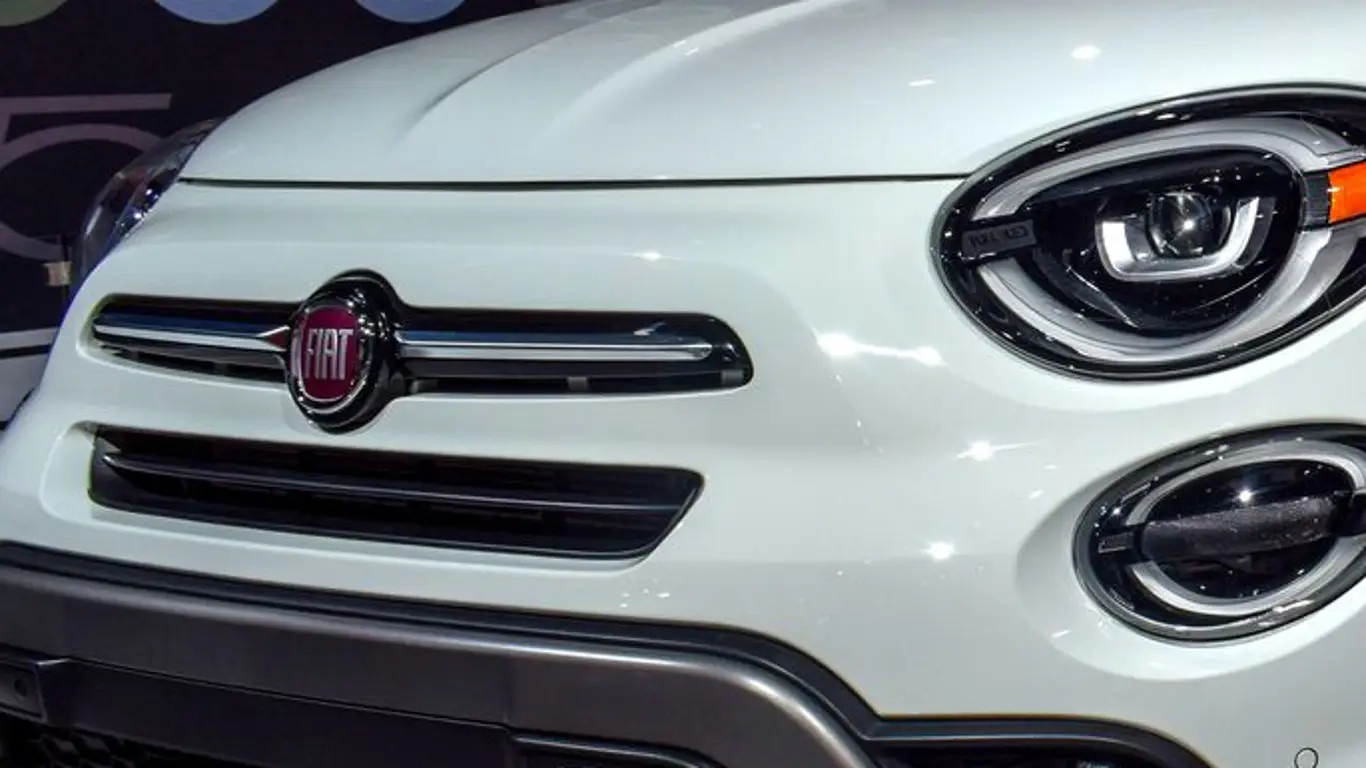

Thirty years of silence — and suddenly it’s back on Italian roads. Autobianchi, a brand shut down in 1995, has unexpectedly resurfaced: a heavily camouflaged Fiat Pandina was spotted wearing the words “Tributo Autobianchi” clearly visible on its rear door. Fiat isn’t saying anything officially, so the debut date, price and even the final name of the model remain guesswork.
Judging by the body, the base looks to be the range-topping Pandina Cross: plastic cladding, protective bumper trim, 15-inch wheels. Under the hood, nothing revolutionary. Expect the familiar hybrid powertrain: a 1.0-liter three-cylinder gasoline engine making 65 hp, paired with a six-speed manual — the same setup as the regular Pandina.
Fiat hasn’t confirmed any technical changes, and the camouflage does a solid job of hiding the details. The photos only allow for guesses — special trim, historic badges, a reworked roof. Rumors of a folding fabric top, chrome accents and a velvet-trimmed cabin in the style of old Autobianchis remain just that: rumors. But behind all this nostalgia might be a far less romantic motive.
Autobianchi was born in 1955 as a joint venture between Bianchi, Fiat and Pirelli, built the legendary A112 and Y10, and shut down in 1995 when its Desio plant stopped production. Since then, the name has formally belonged to Fiat. But in December 2023, the Italian parliament passed a law: if a historic trademark isn’t used in actual production for five uninterrupted years, the state can claim the rights to it. And this isn’t an empty threat.
In 2024, it emerged that Italian authorities were seriously considering seizing dormant brands like Autobianchi and Innocenti from Stellantis — the Ministry of Industry reportedly went as far as registering its own versions of both logos. One theory: the names were meant to be handed to Chinese automakers in exchange for localizing production on Italian soil. Stellantis, apparently, wasn’t even notified. So the Tributo Autobianchi looks less like a nostalgic tribute and more like a legal maneuver — put a historic badge on a car, and reset the five-year clock right before it runs out.
Meanwhile, the Pandina itself isn’t going anywhere: Fiat has confirmed production at Pomigliano d’Arco through at least 2027. So Tributo Autobianchi looks like a way to do two things at once — stir up interest in an aging city car near the end of its life cycle, and keep the Autobianchi name out of other hands. A full brand revival, this is not.
Earlier, Tarantas.news reported that the Fiat 600 lost its base hybrid and got more expensive.