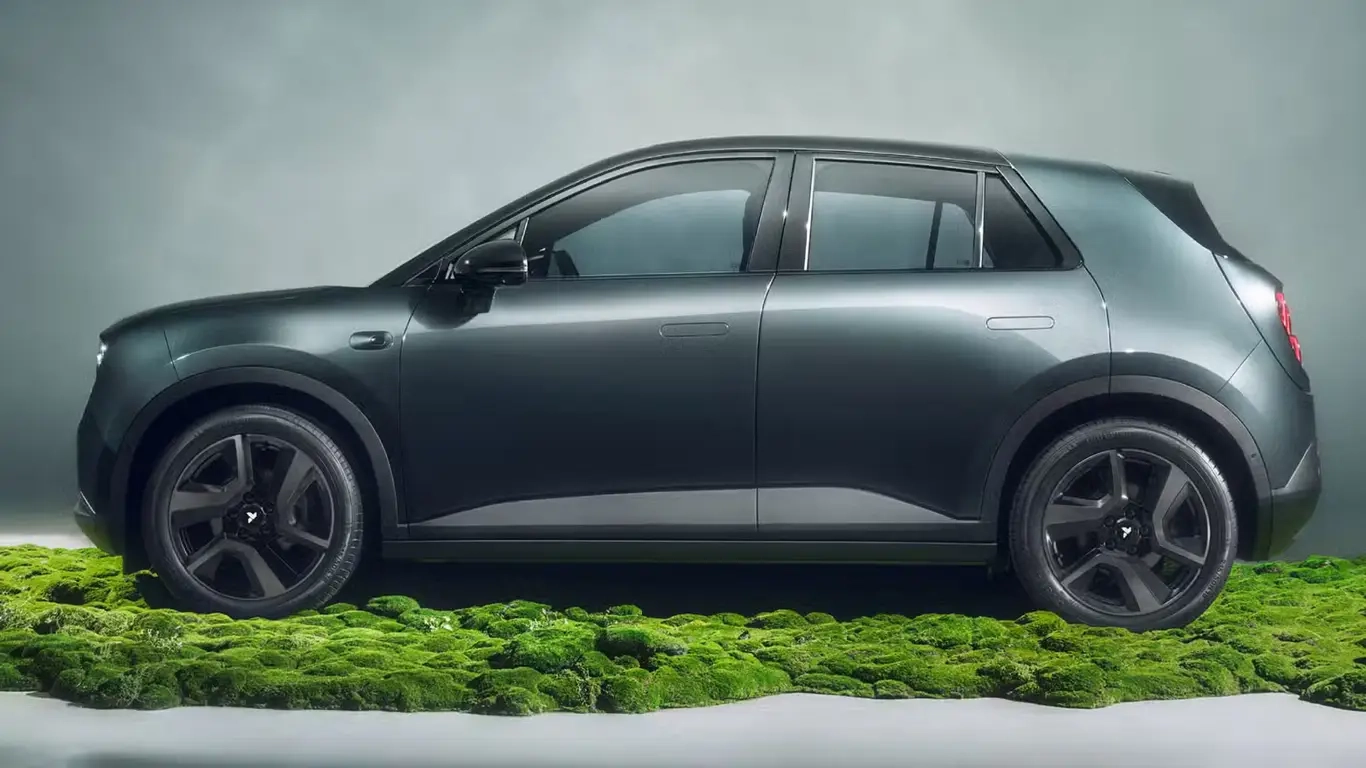

2,000 dollars — roughly 13,500 yuan — is what Nio wants for the privilege of owning the first Firefly from its new Halo design series. The Habitat edition is priced at 133,300 yuan, about $19,700, while the standard Firefly starts at 119,800 yuan. The gap: 11.3%. And it's not a markup for power or range.
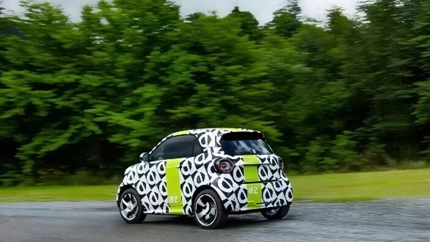
Because there's no upgrade under the skin at all. Halo Habitat keeps the exact same rear motor at 163 hp, the same 42.1-kWh battery, the same 420 km on China's CLTC cycle. What buyers actually get for their money: an exclusive green paint finish, two-tone wheels, a glowing logo, special upholstery, green seatbelts, contrast stitching and a handful of interior trim details. Not one extra horse.
And that's exactly what reshapes Firefly's whole product logic. Halo isn't a one-off special edition — it's a standalone design line: every year the brand plans to pick a new theme, an “annual light,” and carry it into the next car. Instead of expanding the motor or battery lineup, Nio is betting on regular lifestyle makeovers of the same compact model. The hardware stays untouched. Only the shell changes — and that's what they're charging for.
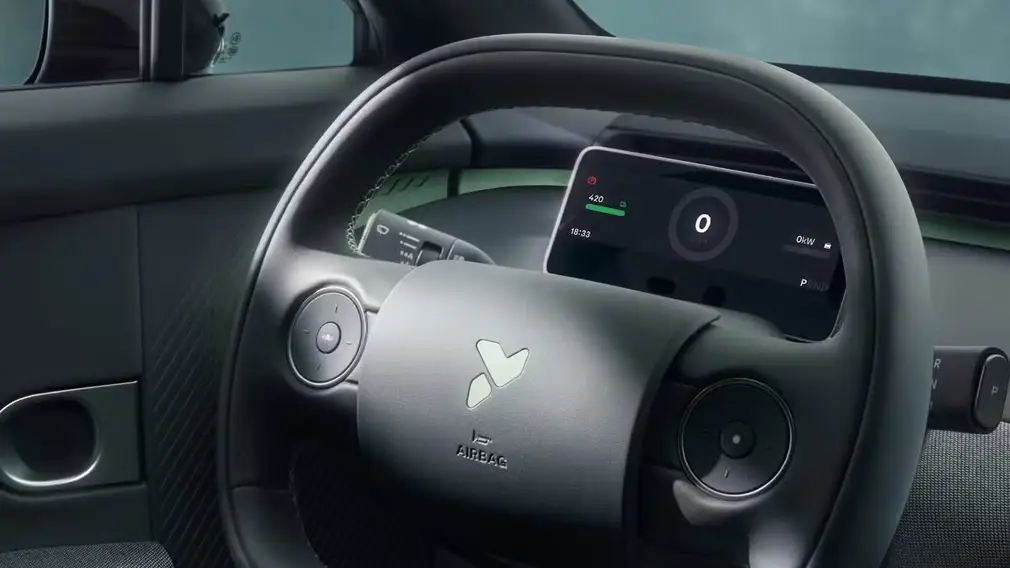
Want it cheaper? Sure — with the battery subscription, the price drops to 93,300 yuan, about $13,800. Except the battery isn't yours anymore. At Firefly's current rental rate of 399 yuan a month, it would take about 100 months — eight years and four months — for the rental payments to add up to the 40,000-yuan discount. And that's without factoring in rate changes or the time value of money.
There's one more catch. The claimed 420 km can't be compared directly to European figures: Firefly's official global site lists up to 330 km under the stricter WLTP cycle. In other words, Halo didn't gain a single extra kilometre of range — only the styling and positioning changed, not the battery's actual capability.
The strategy isn't arriving by accident — it lands right as the brand's launch phase wraps up. Firefly deliveries began in April 2025, and by July 2026 cumulative handovers had crossed 70,000 units. In the first half of the year alone, the brand delivered 29,172 EVs — 15.3% of all Nio deliveries. But the real test for Halo won't be specs. It'll be sales: whether buyers are actually willing to pay extra, year after year, for a fresh coat of paint on the same car.