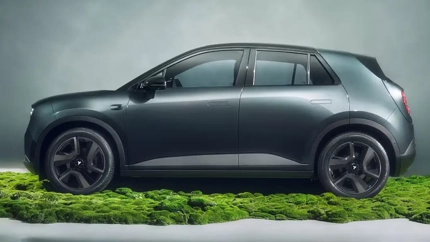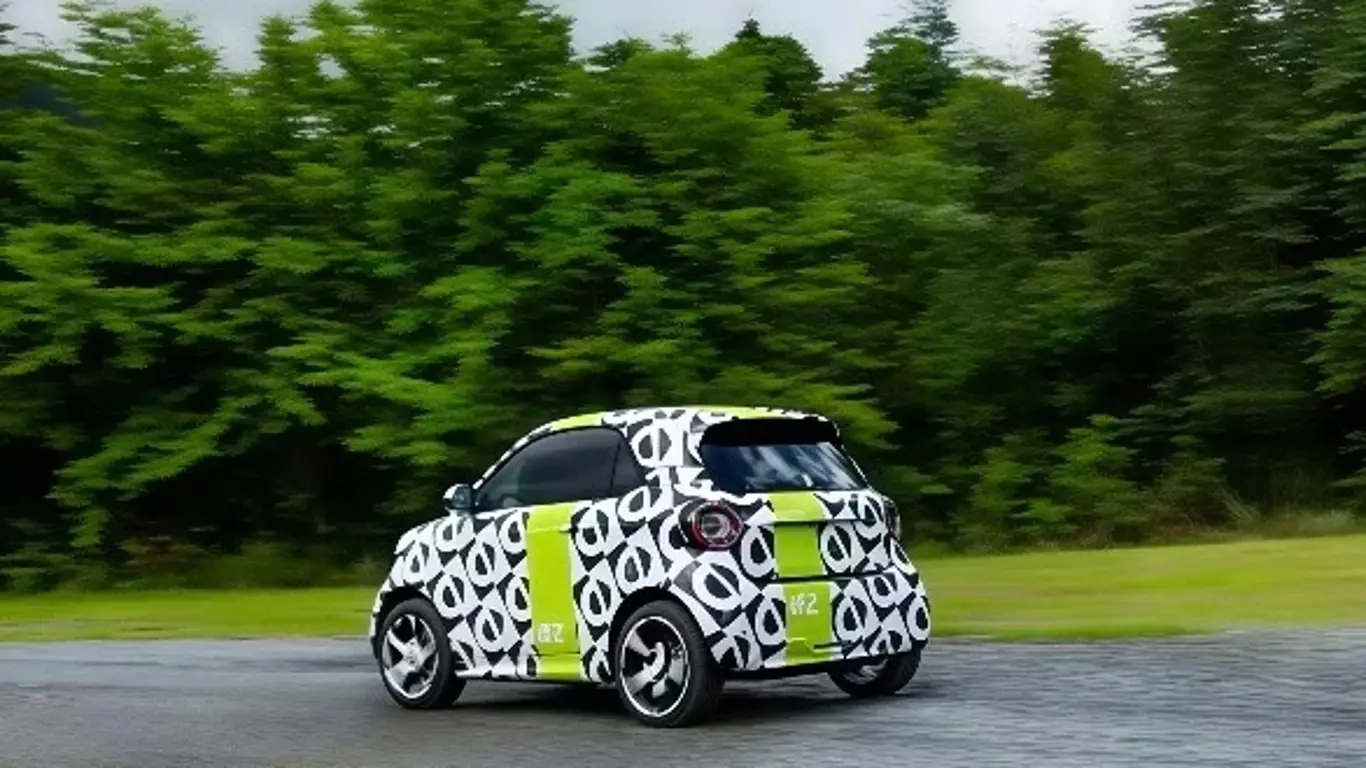

Nobody promised the legend would sneak back quietly. The smart #2 has moved past the hidden-hardware testing stage: instead of wearing old fortwo bodies, the company is now running full camouflaged prototypes — the real thing, not stand-ins. The cars are already turning laps on proving grounds and public roads, three months before the Paris Motor Show, which runs from 12 to 18 October 2026. The takeaway is simple: the project has moved into fine-tuning the production design. The motor, the weight and the final battery are still under wraps.
The previous stage was far more modest: engineers hid the new ECA architecture inside the bodies of the old smart fortwo. A simple trick, but an effective one — it let them test the powertrain, chassis and structural strength without revealing the future model's proportions. The testing programme now underway is far more serious, covering emergency lane changes, wet asphalt, kerb impacts, deep potholes, wind tunnel runs, an acoustic chamber and temperature rigs. How many prototypes are involved, how many kilometres they've already covered and what the tests have shown — the manufacturer isn't saying.
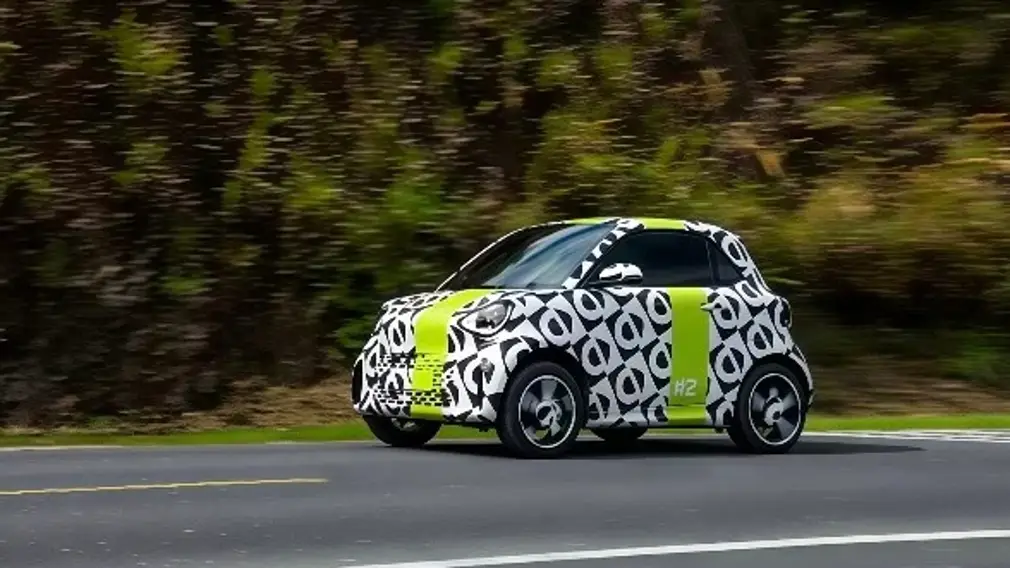
The model itself brings smart back into the two-seat city car class after the EQ fortwo went out of production in 2024. But the old production formula is gone — and that's where things get interesting. Mercedes-Benz's design team is behind the styling, smart's global division handles development, and the car will actually be built in China. A European city icon, assembled at a Chinese plant — while Europe is still named as the key sales market. Same format, different setup: the brand now operates through the joint venture between Mercedes-Benz and Geely.
The numbers so far sound promising: a 35.7 kWh battery, close to 300 km of WLTP range, and 10–80% fast charging in under 20 minutes. The concept measures 2,790 mm in length, with a 6.95 metre turning circle — tighter than plenty of cars twice its size. But these are still preliminary figures: smart is upfront that the specs could change once homologation is complete.
Power output, final battery capacity, kerb weight, pricing and the start of deliveries — all of that will only be revealed in October, at the Paris premiere. And it's the price list that will answer the real question: will the #2 become a mass-market city EV, or slip back into its old niche as a premium curiosity?