
Intelligent Speed Assist, which the EU is making mandatory for all new cars, is being sold as a step toward a future with no road deaths. Yet a growing number of specialists describe ISA as one of the clumsiest—and potentially risky—driver aids in recent years. At its core, the technology leans on shaky inputs, loud audio alerts and a near-total lack of context, turning a routine trip into a stream of intrusive corrections.
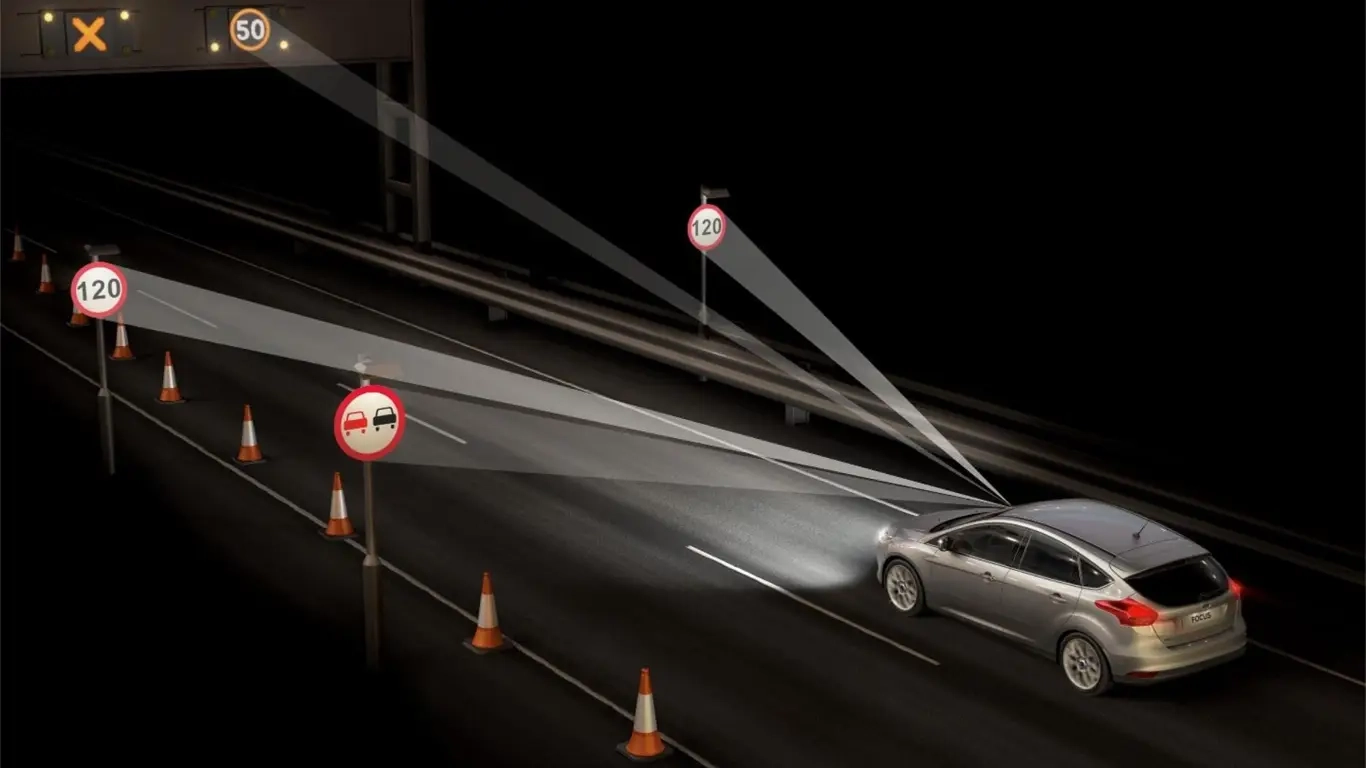
ISA reads speed signs via camera and checks them against maps. Out on real roads, though, the picture is messier: signs get hidden by foliage, duplicated around junctions, placed on service lanes or set up temporarily. The system can easily treat a limit meant for a parallel road as the one that applies and immediately fire off an alarm. During an overtake, on an exit ramp or in a brief burst of acceleration, ISA can cut in sharply—exactly when the driver needs calm focus, not another rebuke.
With constant false alerts, drivers soon stop taking the prompts seriously—classic false-alarm fatigue. When a genuine risk appears, attention is already blunted. Critics argue that instead of sharpening awareness, ISA trains people to tune warnings out, eroding trust not only in this feature but in other driver-assistance tools as well.
The result is a widening gap between what’s actually happening on the road and what the electronics think is happening. The driver ends up monitoring the car’s mood rather than the traffic, trying not to trigger the next chime. Safety, in this setup, turns into box-ticking: the vehicle polices more than it supports, and the driving experience feels managed rather than aided.