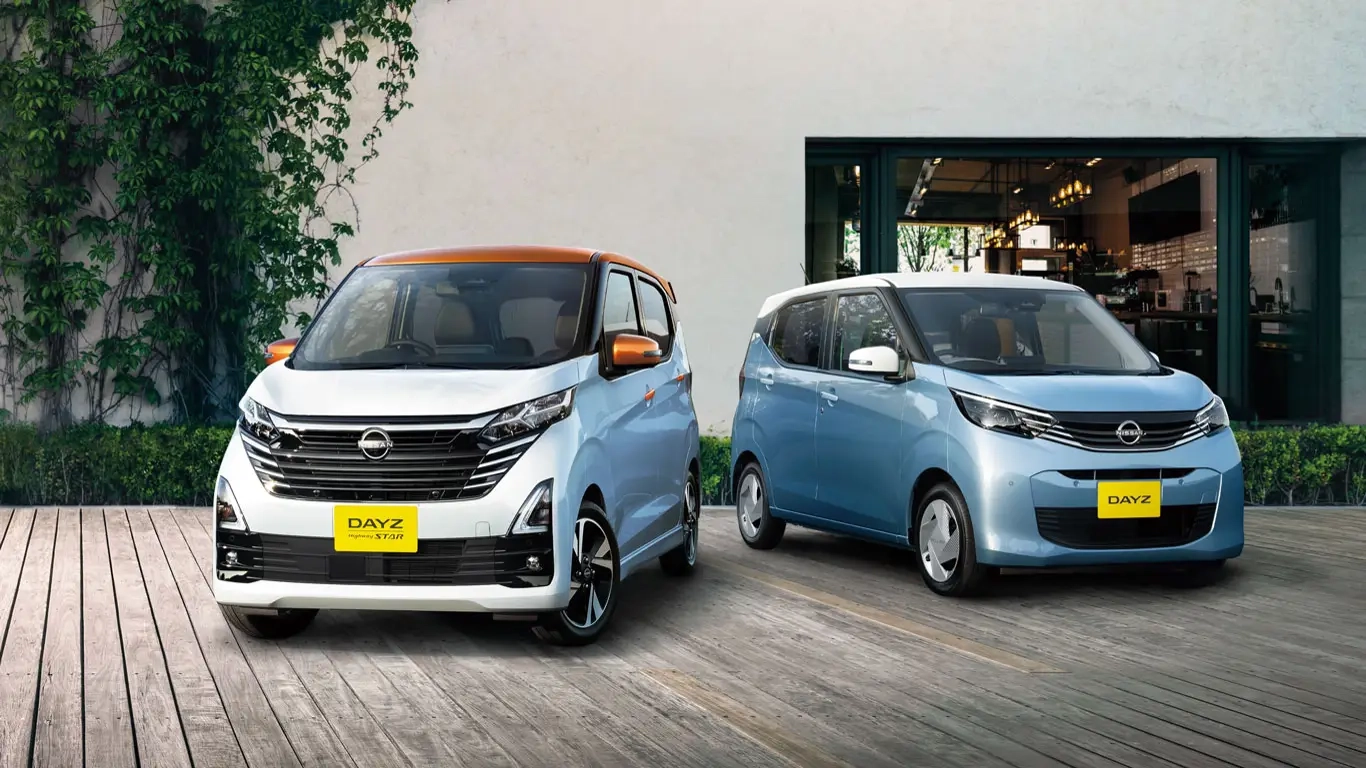

A boring Japanese kei car suddenly started speaking the language of safety. On July 27, Nissan rolled out an updated Dayz on the Japanese market — and despite bold talk of a “new model,” the generation hasn't actually changed. Officially, this is just a partial specification update: the last notable Dayz facelift happened back in 2023.
The real star of this update isn't the styling — it's the electronics. Nissan widened the horizontal field of view of the front camera used by the automatic emergency braking system, so it should now spot obstacles it might have missed before. Exactly how much the coverage grew, and in which scenarios the reaction got faster, the automaker isn't saying.
Standard equipment now includes a USB Type-C port and a feature that reminds the driver to check the back seat after a trip — a small detail that can prevent tragic cases of children being forgotten in the car. The car was also brought in line with new regulatory requirements. Engines, transmissions and the body weren't even mentioned — they stay exactly as they were.
The front-wheel-drive Dayz X now starts at ¥1,500,400, while the all-wheel-drive version starts at ¥1,677,500. The entry-level S trim has disappeared from the lineup entirely. For comparison, after the 2023 facelift the S trim cost ¥1,437,700 and the X trim cost ¥1,478,400. That means the X grade got ¥22,000 more expensive, while the entry price for the model jumped by ¥62,700.
Two new two-tone paint options join the palette: a white body with a Cinnamon Latte roof, and Frozen Vanilla Pearl paired with a Celadon Green roof. On every two-tone car, the door handles are now painted to match the roof color — a small touch, but exactly the kind that shows the designers weren't just phoning it in. The Highway Star Urban Chrome special edition starts at ¥1,811,700, while the lighter-themed Bolero starts at ¥1,653,300.
The bottom line is simple: this is an update built for practicality, not looks. Buyers get more modern equipment and a sharper safety system, but not a new body or a new engine. No revolution here. Then again, maybe it never needed one.
Nissan previously said it would extend the warranty on its electric vehicles to six years.