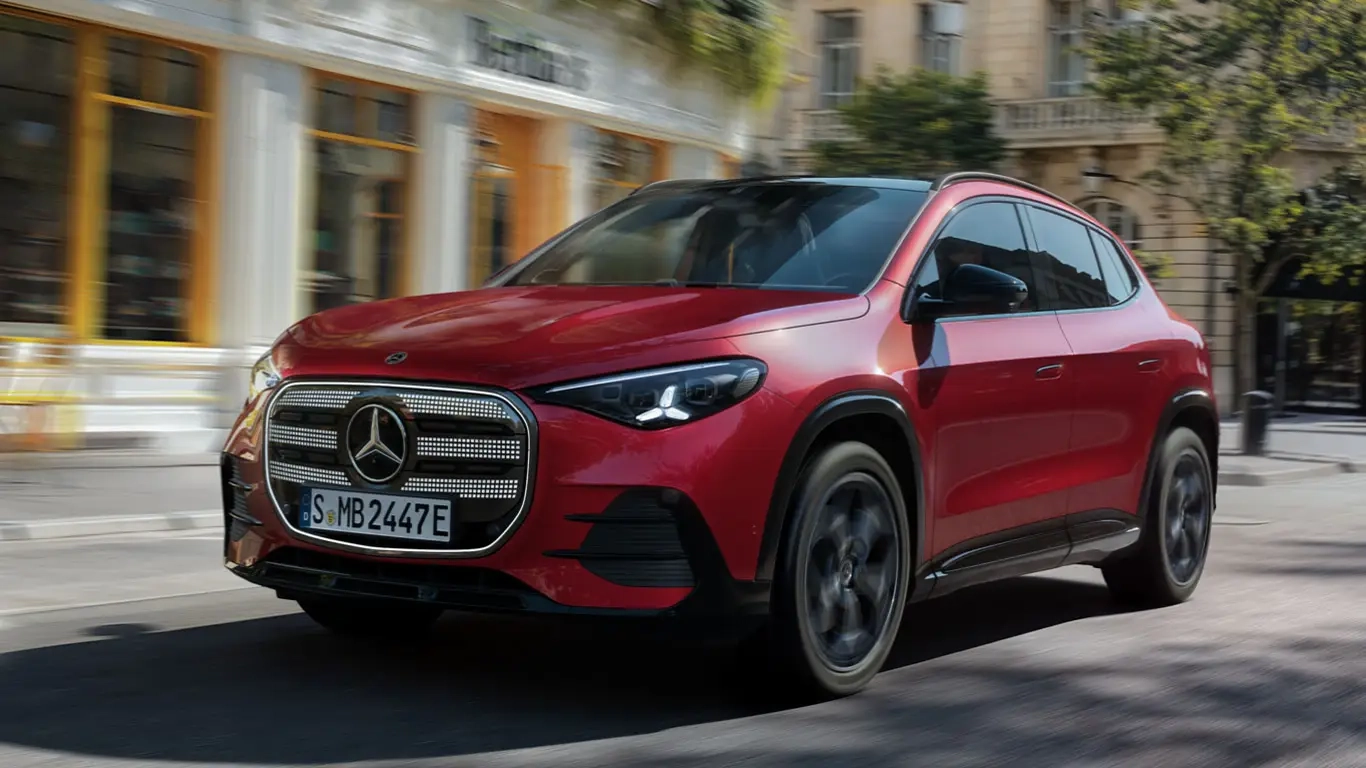

Mercedes-Benz is burying two names at once. The EQA is heading into the history books, and the whole EQ prefix goes with it: the third-generation GLA arrives as an electric car, yet it is simply called the GLA 200 electric. Orders open in Germany on 30 July 2026, and the first cars reach showrooms in November. The starting price is 48,599.60 euros including VAT, before delivery to the dealer. Mercedes has no cheaper electric crossover.
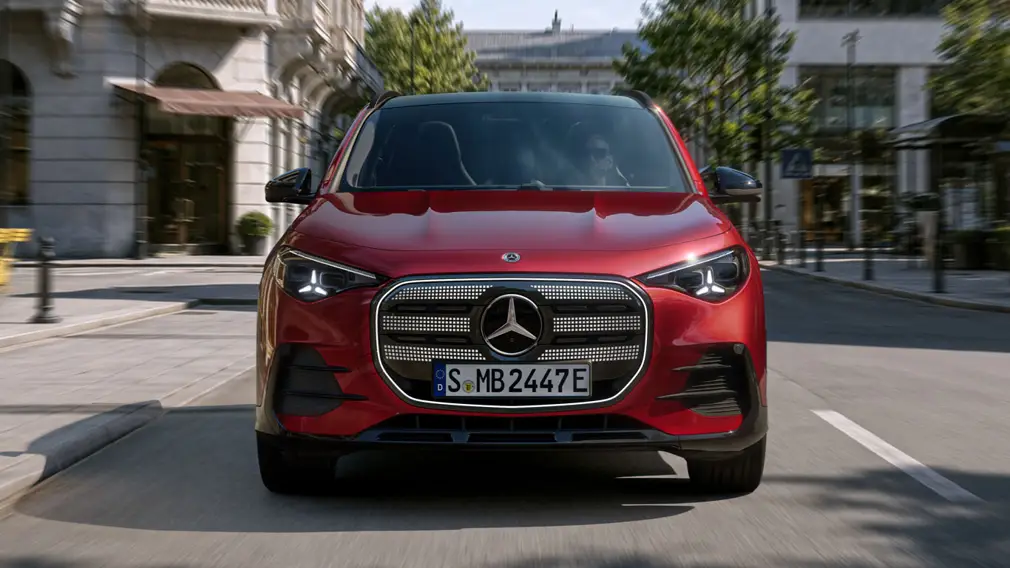
Three versions launch together, and they differ by more than the numbers in their names. The GLA 200 electric gets 224 hp and a lithium iron phosphate battery of 58 kWh. The GLA 250+ electric makes 272 hp, while the all-wheel-drive GLA 350 4MATIC electric delivers 354 hp and reaches 100 km/h in 5.4 seconds. Both senior versions run an 85 kWh NMC pack. Top speed is identical across the trio — 210 km/h.
And here comes the interesting part, where it is easy to be misled. The record 657 km on the WLTP cycle does not belong to the whole range but specifically to the GLA 250+ electric. The all-wheel-drive flagship covers up to 643 km. The entry-level GLA 200, with its modest LFP battery, lands between 394 and 447 km. More than two hundred kilometres separate the entry ticket from the next rung up.
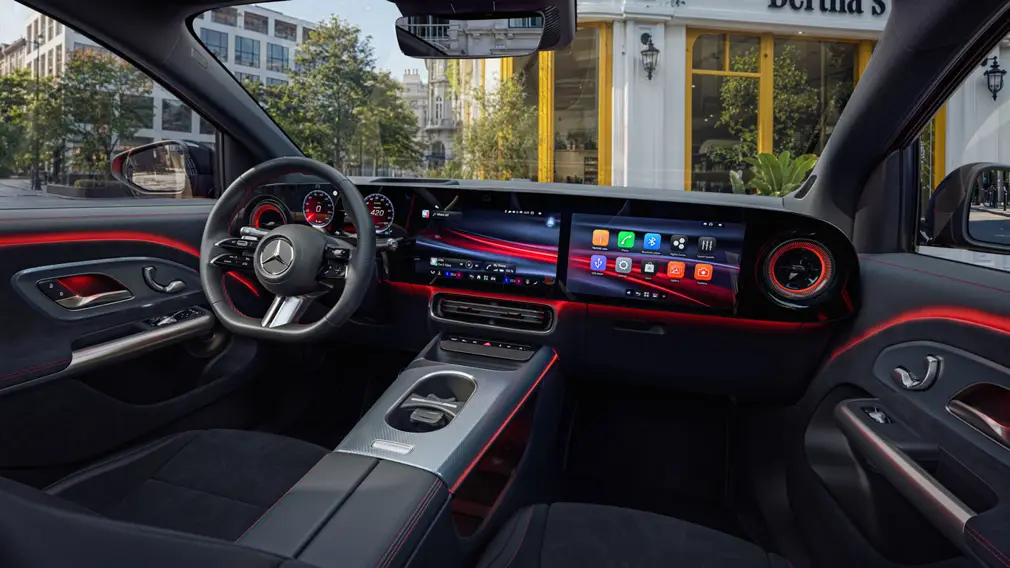
The same story repeats with charging. The 800-volt architecture allows direct current of up to 320 kW: ten minutes add roughly 270 km of range, and the standard run from 10 to 80% takes 22 minutes. Except that those 320 kW again go to the cars with the 85 kWh battery — the GLA 200 tops out at 200 kW. And one more detail worth knowing before you sign the papers: to use the widespread 400-volt stations without restrictions you need a separate converter, and it sits on the options list. On alternating current the crossover charges at 11 kW, while the 22 kW version costs extra.
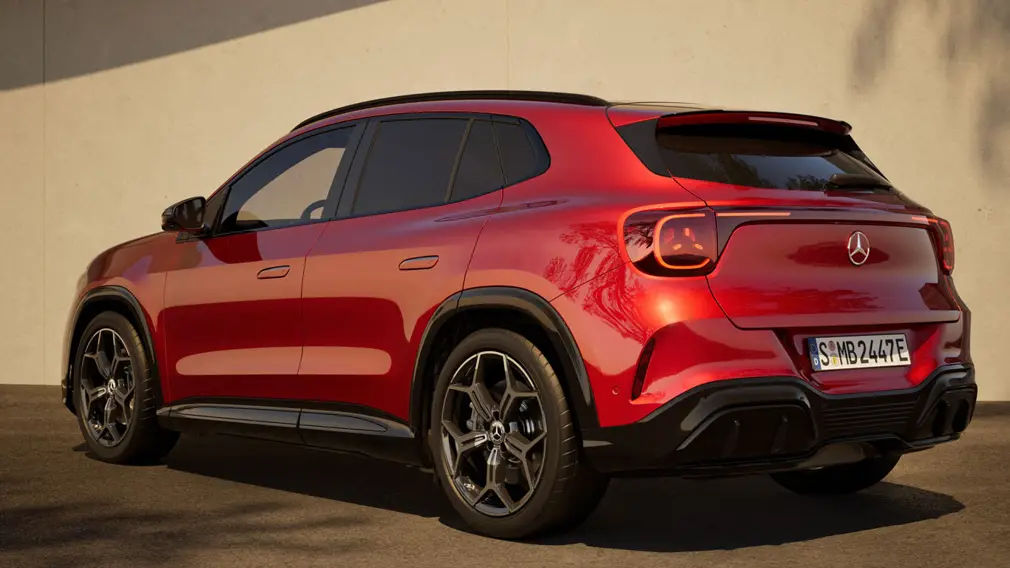
The growth in size turned out to be more than a marketing line. The wheelbase has stretched by 61 mm to 2790 mm, and rear passengers gain 38 mm of legroom. The boot holds 410 litres, or 1400 with the rear bench folded, plus a 107-litre frunk under the bonnet. The body sits 20 mm lower than before, and the drag coefficient has dropped to 0.27.
Buyers not ready to go electric will have to wait until early 2027. That is when front- and all-wheel-drive hybrids join the range, with a new 1.5-litre turbo engine, a 48-volt system and an electric motor built into the eight-speed dual-clutch gearbox. Mercedes calls them “high-tech hybrids”: such a car can pull away on electric power alone and coast at speeds of up to 100 km/h. The same period brings a fourth battery — an NMC pack of 71 kWh, sitting exactly between 58 and 85. That may well be the one most buyers have been waiting for.