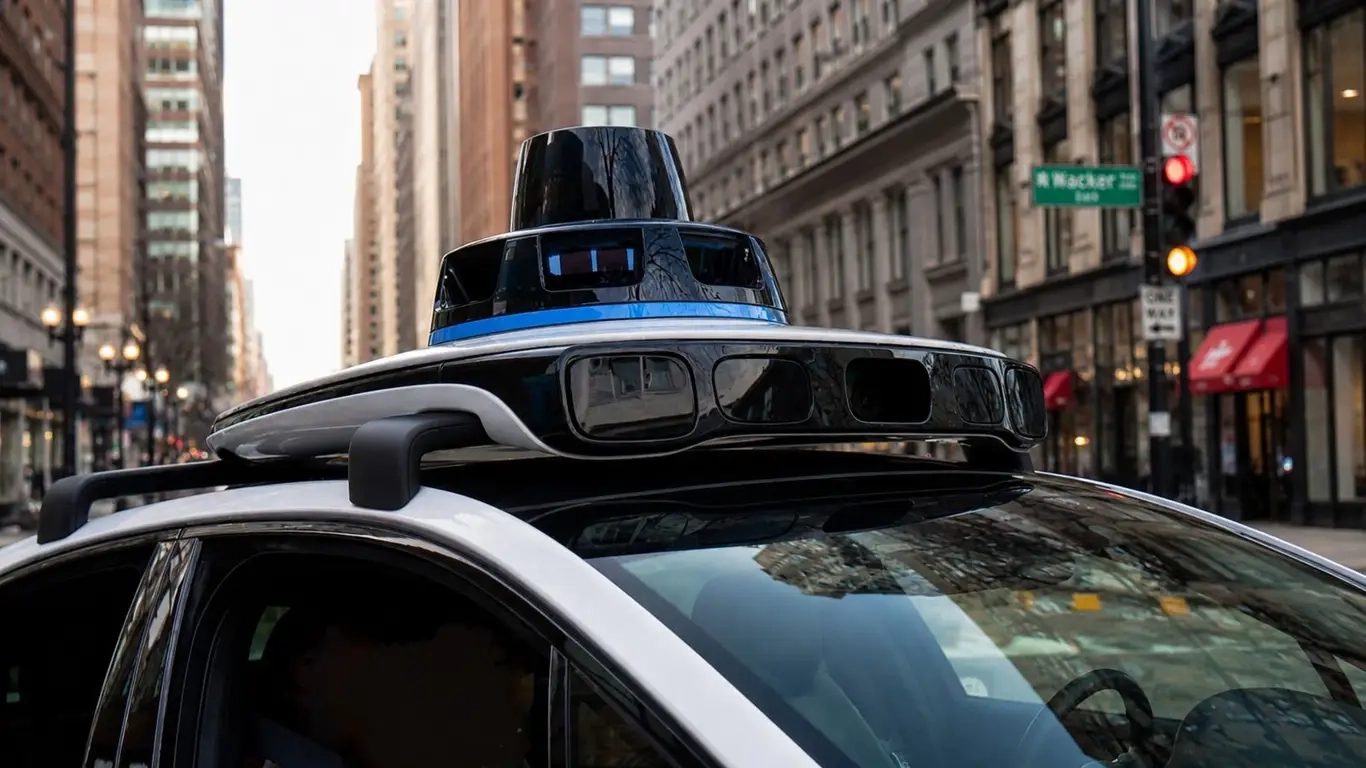

There's no driver in this car — and now you can finally pay for the ride. Amazon-owned Zoox has received federal approval to begin commercial service with robotaxis that have no steering wheel, no pedals, and no driver's seat at all. The National Highway Traffic Safety Administration (NHTSA) will allow the company to put up to 2,500 such vehicles into service every year for two years. The program's theoretical ceiling sits at 5,000 driverless vehicles, but every stage beyond that stays under the regulator's watch.
According to Reuters, Las Vegas will be the first commercial market. Zoox already offers free rides in parts of Las Vegas and San Francisco — but to actually charge for them, the company still needs sign-off from state and local authorities.
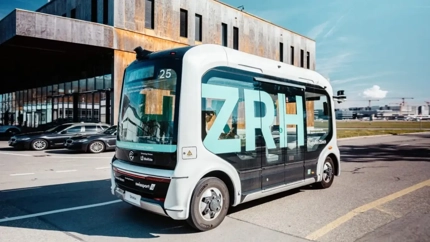
NHTSA's decision matters precisely because of how the vehicle is built. Zoox's electric shuttle was never designed for a human driver: inside are two rows of seats facing each other, and top speed reaches 75 mph. Selling these vehicles to private buyers simply isn't on the table.
The regulator acknowledged that Zoox's safety systems perform at a level comparable to a conventional vehicle meeting federal standards. But the approval doesn't come free — it's paired with beefed-up reporting requirements covering crashes, stops in the wrong places, and any other malfunctions. If serious problems turn up, NHTSA can change the terms or pull the exemption entirely.
That oversight is no formality. Zoox recently had to recall 105 of its robotaxis after the software failed to detect heavy smoke at a fire scene, putting vehicles at risk of driving straight into danger. A software fix followed. On top of that, remote operators must now be based in the US, and the company is required to publish maps of the areas where its vehicles operate.
US regulators have previously floated dropping the brake-pedal requirement entirely for vehicles not built for a human driver. But until the general rules are rewritten, manufacturers still have to fight for a temporary exemption for every non-standard design — exactly what Zoox just did.
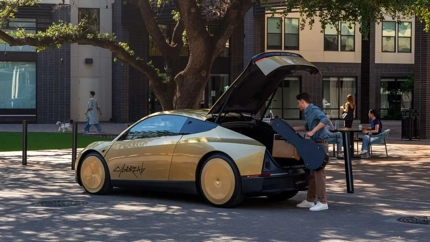
And it's a real blow to Tesla's position. More than 100 Cybercabs have already been spotted on Tesla's factory lots, yet the company still hasn't laid out a full path to commercial approval for a vehicle with no wheel and no pedals. Waymo, meanwhile, already runs paid rides — but it does so in modified production cars that keep their conventional layout, wheel and pedals included.
One thing is worth being clear about: Zoox's approval isn't a green light for driverless taxis to flood the country unchecked. It's a limited two-year experiment, and how far it scales depends directly on crash rates, how the vehicles behave around emergency responders, and whether each individual region signs off.