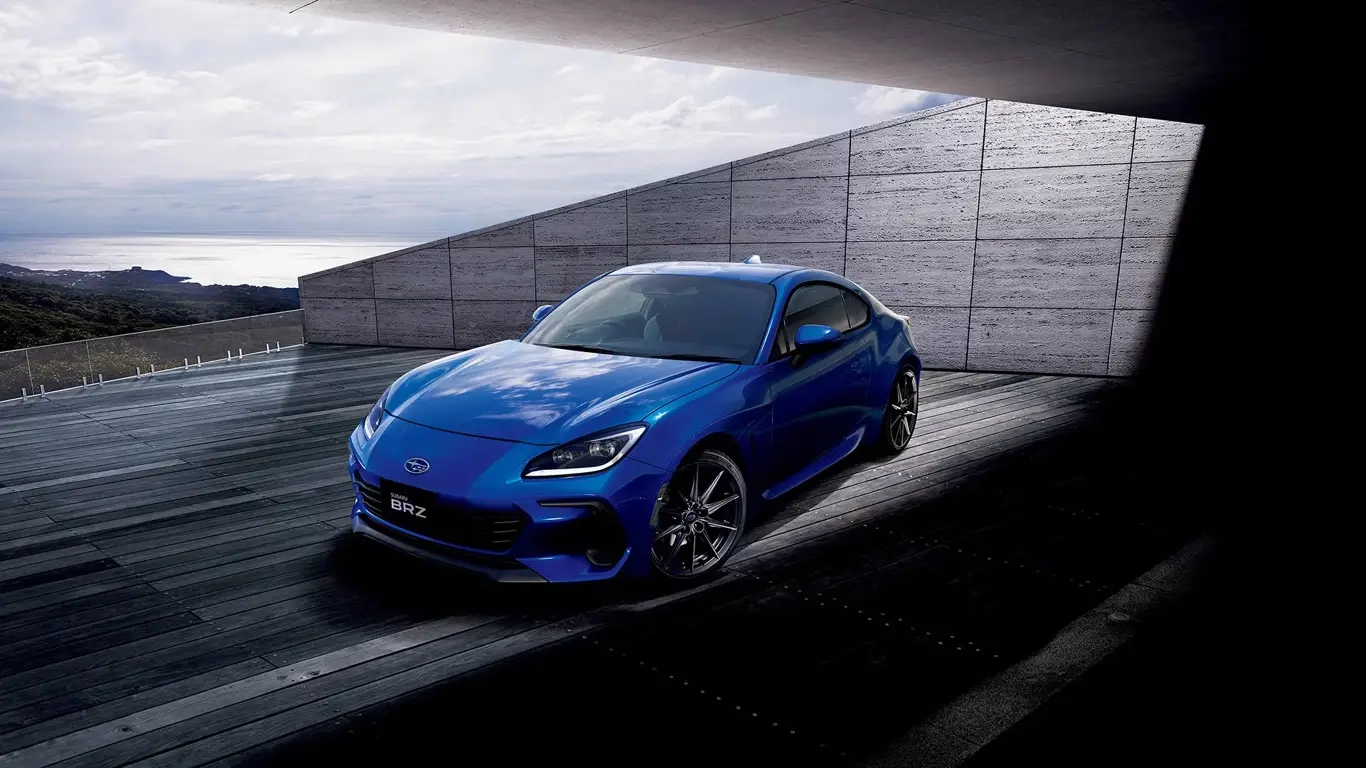

Subaru quietly swapped out the shift lever mechanism on the Japanese-market BRZ's six-speed manual — and raised prices across the entire lineup at the same time. Coincidence? Hardly. The new gearbox internals draw on knowledge gained from the Super Taikyu endurance racing series, and they arrive with a ¥55,000 bump on every trim. The base BRZ R with a manual now costs ¥3,377,000.
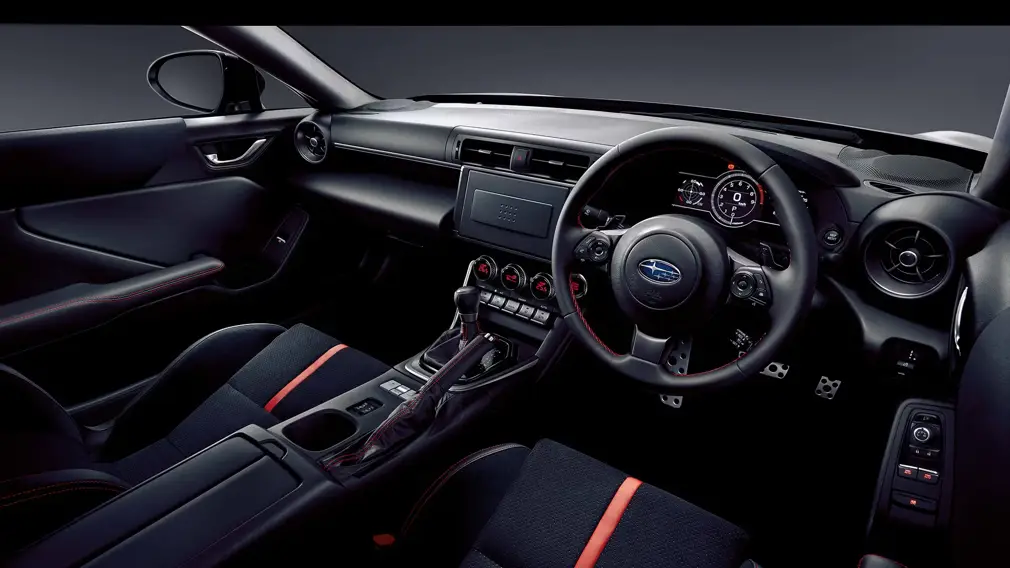
So what actually changed? Shifts should feel smoother and more precise. The cabin itself is untouched — same shift knob, same interior. Drivers will notice the difference with their hands, not their eyes. Subaru isn't revealing exactly how the new mechanism works, but it's directly tying the tuning to its Super Taikyu program — and that's not a detail companies mention by accident.
The numbers tell their own story. The base BRZ R went from ¥3,322,000 to ¥3,377,000. The S trim climbed from ¥3,509,000 to ¥3,564,000. And the range-topping STI Sport crossed ¥3.8 million, rising from ¥3,784,000 to ¥3,839,000. Not a revolution, but not nothing either.
The second half of the update centers on EyeSight — and it's the more significant one. A wide-angle mono camera now joins the two existing stereo cameras, widening the system's ability to spot pedestrians, cyclists, and other vehicles, especially at intersections and low speeds. And yes, it works with the manual transmission too — a rare case where the tech upgrade doesn't force you to give up the stick shift.
Everything else stays put: the naturally aspirated 2.4-liter boxer engine, rear-wheel drive, and a choice between the six-speed manual and six-speed automatic. Japanese-spec fuel economy comes in at 11.7 to 12.0 km per liter.
Here's where it gets interesting: the update has split the Japanese and American BRZ. The 2027 US model also gains the wide-angle EyeSight camera, but Subaru hasn't said a word about the new shift lever making the trip across the Pacific. The Limited trim starts at $36,140 before delivery, or $37,385 with the mandatory $1,245 destination fee. Whether the American BRZ ever gets Japan's new shifter remains an open question.
The answer might turn up in the US parts catalog: it'll reveal whether the two markets truly received different shift mechanisms, or whether Subaru simply left the change out of its American press release.