
Romania is facing a stark trade-off: cars or electricity. The assembly lines at the country's two biggest car factories have gone silent until August 19 — and it's no accident. Dacia's plant in Mioveni and Ford Otosan's plant in Craiova voluntarily cut their power draw by roughly 200 MW to ease pressure on a national grid that's losing generation capacity to a brutal drought.
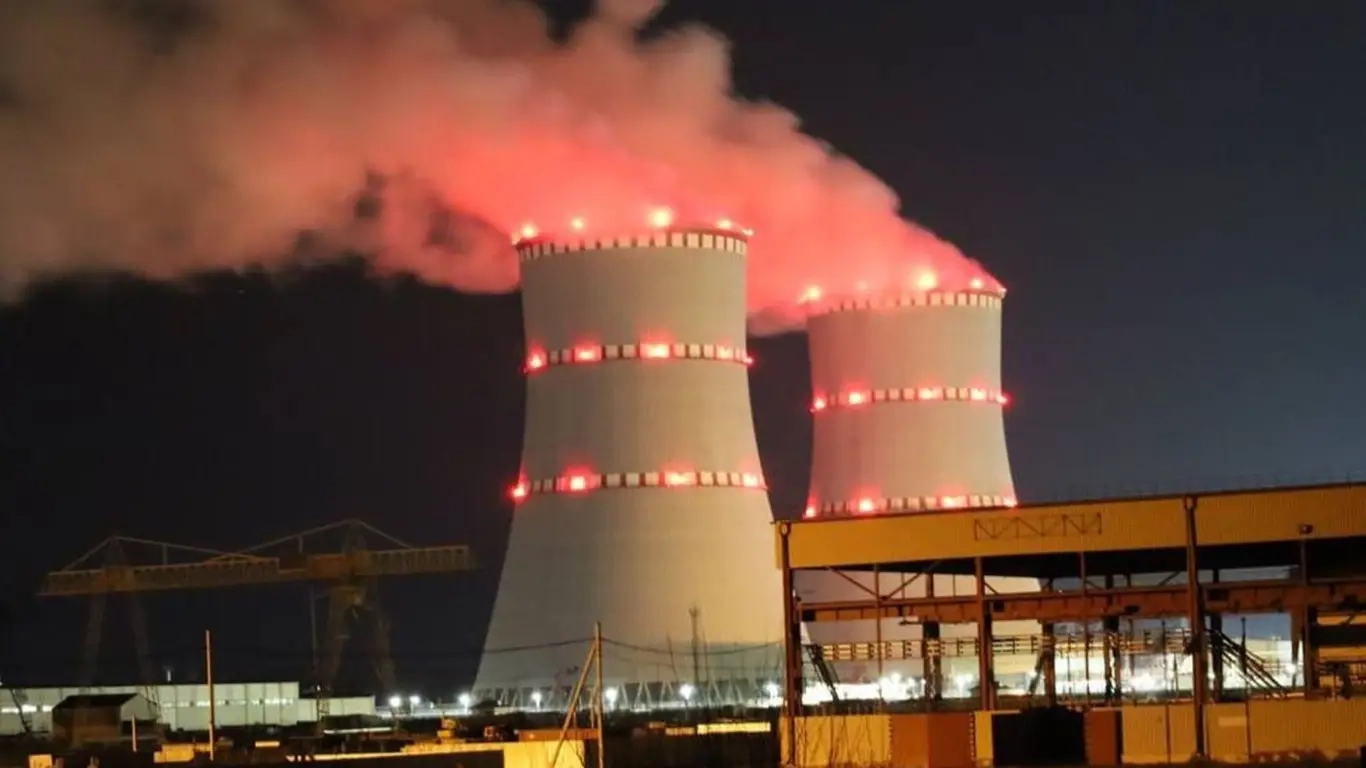
The cause runs deeper than a routine glitch. According to local environmental groups, the Danube's water level has dropped so low that the Cernavoda nuclear plant had to shut down one reactor entirely, while the second is now under intensified monitoring. Romanian authorities went as far as detonating a controlled explosion in the riverbed to clear a path for cooling water. The Guardian independently confirms the situation, reporting that the sharpest risk of power shortages comes in the evenings, forcing the country to ramp up electricity imports.
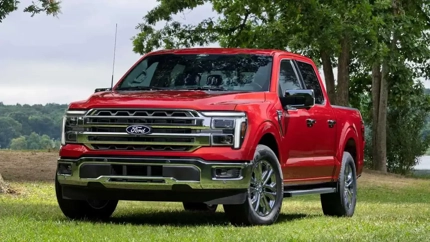
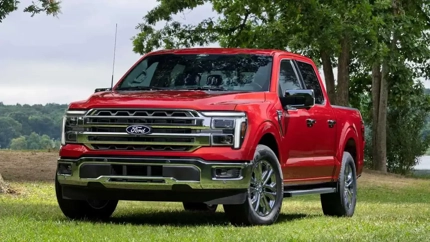
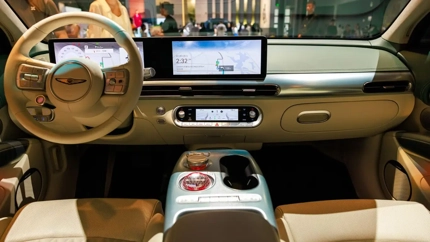
The pause hits models that are hard to picture the European market without. Mioveni is where Dacia builds the Duster and the Bigster. Ford Otosan's Craiova plant produces the Puma, Transit Courier and Tourneo Courier, including their electric versions. Depending on how you count the installed line, Ford's plant there can turn out 250,000 to 300,000 vehicles a year.
The power-driven shutdown landed at the worst possible moment: Romania's auto industry was already losing ground before this happened. According to the ACAROM association, the two plants built 247,972 cars in the first half of 2026 — down 12.7% from a year earlier. Dacia accounted for 129,404 of those, Ford Otosan for 118,568. In June alone, output fell 16%.
There's no confirmation yet that the pause will trigger shortages of specific models or delay deliveries to dealers. Neither automaker has disclosed how many vehicles will be lost to the downtime. The next checkpoint is August 19: whether the lines restart depends on the Danube's water level, the second reactor staying online, and how well the national grid holds up. If the drought doesn't ease, this could just be the first warning sign.