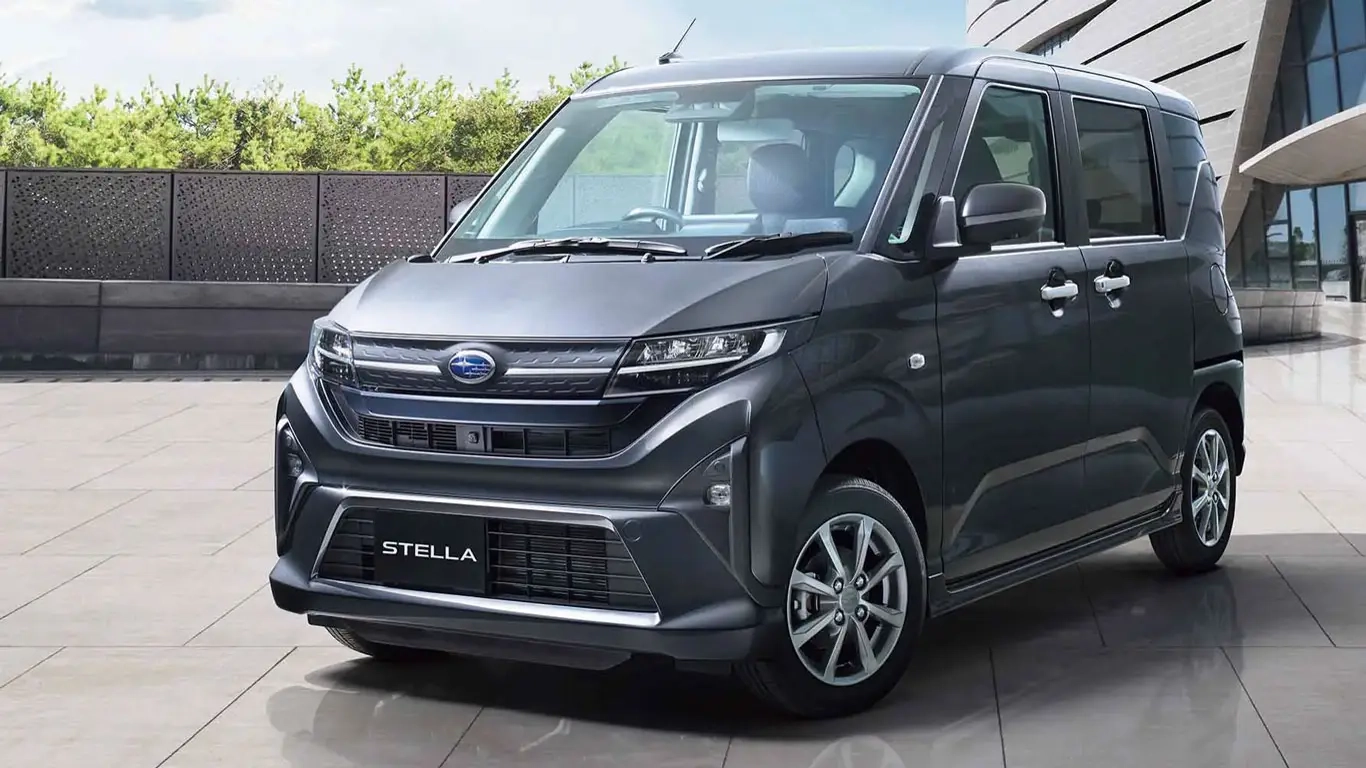

Same body. Same engines. Same gearbox. New prices. Subaru has updated the Stella, the compact kei car that Daihatsu builds for it as a twin of the Move, and every change went inside the electronics.
Smart Assist now sees more. It already recognised vehicles, motorcycles, cyclists and pedestrians ahead — and bicycles crossing the car’s path have now joined that list. This is exactly the scenario a city kei car faces every day.
Then come the intersections. The electronics can now spot an oncoming vehicle when the driver turns right, and a pedestrian crossing from the opposite direction during a right or left turn. Japan drives on the left, so a right turn means cutting straight across oncoming traffic — the most nerve-racking manoeuvre in town. Subaru puts the warning up front, though. The system is an assistant, and depending on road conditions the automatic braking may not engage at all.
The traffic helpers have been sharpened as well. The adaptive cruise control covers the full speed range and now identifies the car ahead more precisely, which means gentler acceleration and braking. The LKC lane-keeping system lets the car wander less between the lines. One caveat matters, though. In last year’s release and in this one alike, ACC and LKC are mentioned only for the two top versions — a factory option on the Z, standard on the turbocharged ZS.
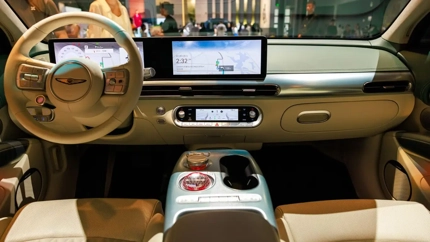
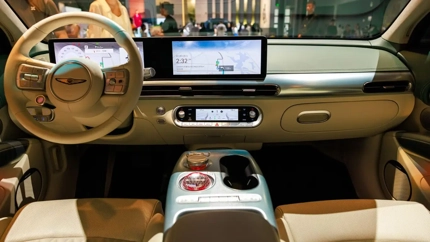
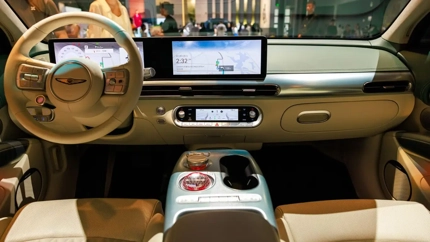
The Z and ZS also gain an active multi-information display that merges a digital speedometer with the status of the driver aids. Subaru does not quote the diagonal, but Daihatsu describes the very same instrument as a seven-inch TFT — the Move was updated on 29 July, a week ahead of the Stella, to exactly the same script. The difference is only in the wording. Daihatsu states outright that the upper limit for pedestrian detection has climbed from 60 to 80 km/h, and that line is nowhere to be found in Subaru’s release.
Mechanically nothing has moved since last year. The naturally aspirated three-cylinder delivers 38 kW (52 hp) and 60 Nm, the turbo 47 kW (64 hp) and 100 Nm, and both run through a CVT. WLTC fuel consumption ranges from 19.9 to 22.6 km/l depending on version and drivetrain. The dimensions are boxed in by Japan’s kei rules — 3395×1475×1655 mm on a 2460 mm wheelbase.
Now for the money. The front-wheel-drive Stella L starts at 1,369,500 yen, the all-wheel-drive version at 1,496,000. The G is listed at 1,534,500 and 1,661,000 yen, the Z at 1,820,500 and 1,947,000, the turbocharged ZS at 1,947,000 and 2,073,500 yen. And here is where it gets interesting. A year ago, when the fourth generation broke cover, the very same cars cost less. The L and G have gone up by 11,000 yen, the Z and ZS by 16,500. The related Daihatsu Move starts at exactly the same 1,369,500 yen after its own update. The sales plan, meanwhile, has not moved — 400 cars a month, just as in June 2025.
The price list hides one more twist. The all-wheel-drive Z and the front-wheel-drive ZS cost precisely the same, 1,947,000 yen. For identical money the buyer picks a side — all-wheel drive without the turbo, or the turbo without all-wheel drive.
The Stella remains an honest city car, and the new algorithms pay off exactly where it lives: intersections, narrow streets, cyclists appearing out of nowhere. But anyone who wants smooth adaptive cruise and active lane keeping has to cross the cheap versions off the list. That leaves the Z with a paid option, or the ZS — which now asks 16,500 yen more than it did a year ago.
Earlier it was reported that Subaru had updated the BRZ in Japan and raised prices by 55,000 yen.