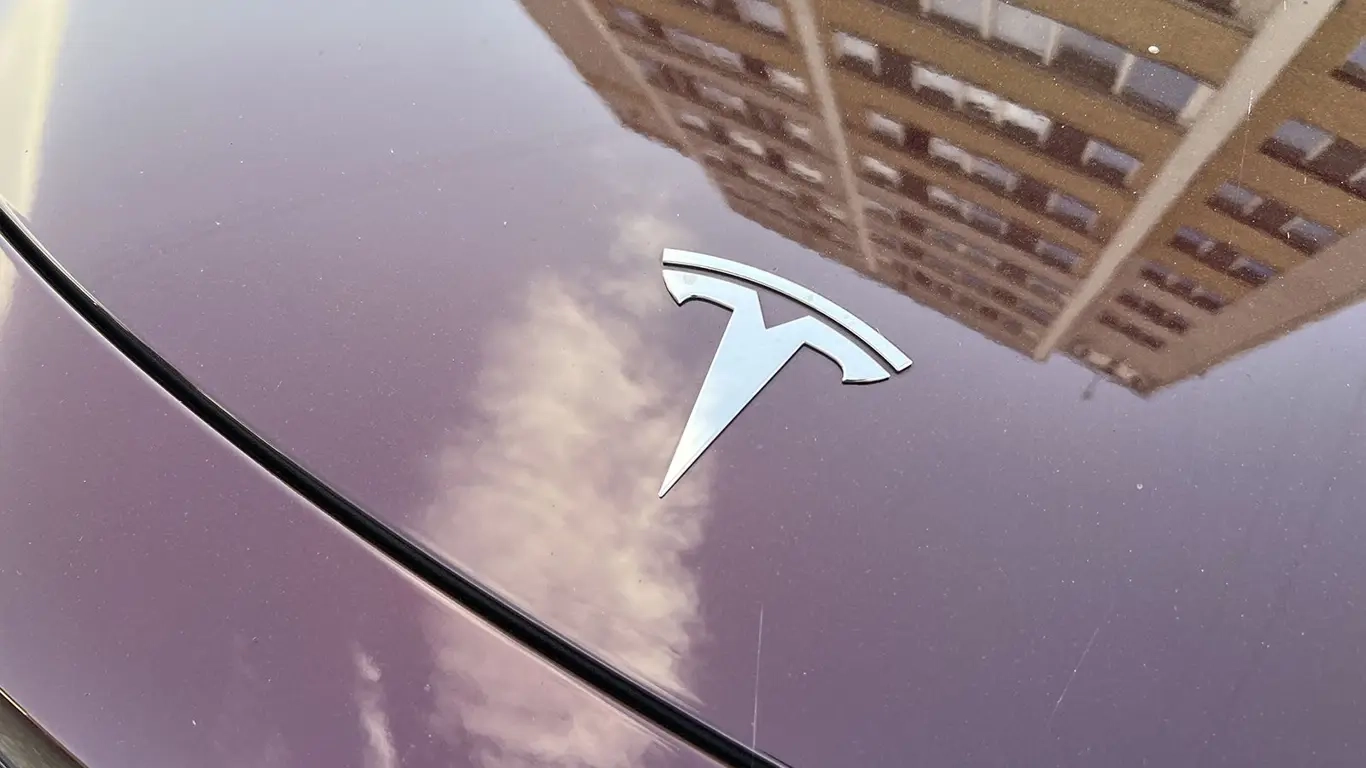

Nobody at Tesla saw this coming: roughly 12,000 vehicles delivered in six months, compared with just over 10,000 for all of 2025. Demand in Japan surged so fast that the company's problem stopped being sales and became something more basic — actually handing cars over to buyers. According to Nikkei, Tesla will expand its delivery locations in Japan from seven to 11 in 2026, a jump of nearly 60%. Tesla Japan head Richie Hashimoto talked about a sharp expansion back in spring. The words matched the deeds.
The peak hit in June — around 4,000 vehicles, mostly Model Y. The usual delivery setup couldn't handle it. Japanese sources were already reporting overloaded handoff points and cars being rerouted to port storage areas.
Hashimoto explained it this way: “A free-charging campaign and other factors triggered a surge in demand, throwing supply out of balance.”
The incentives are working. Tesla officially lists a national CEV subsidy of 1.27 million yen — around $8,000 — for the Model 3 and Model Y, and its Japanese site is currently advertising three years of free Supercharging.
That meant reworking the whole import chain. Tesla vehicles used to arrive mainly through Yokohama; since July, the company has begun full-scale unloading at Mikawa Port in Aichi Prefecture. Through the new port alone, Tesla expects to bring in around 6,000 vehicles every three months — a big cut to the logistics run for western Japan.
New delivery centers are planned for the Yokohama and Kobe area, with the network then expanding into greater Tokyo and Nagoya. It's a rare scenario for Tesla: the limit on sales in Japan is no longer a lack of interest in EVs — it's the throughput of its own logistics. The next question is whether this pace holds once the incentive campaigns end and the backlog of pent-up demand clears.