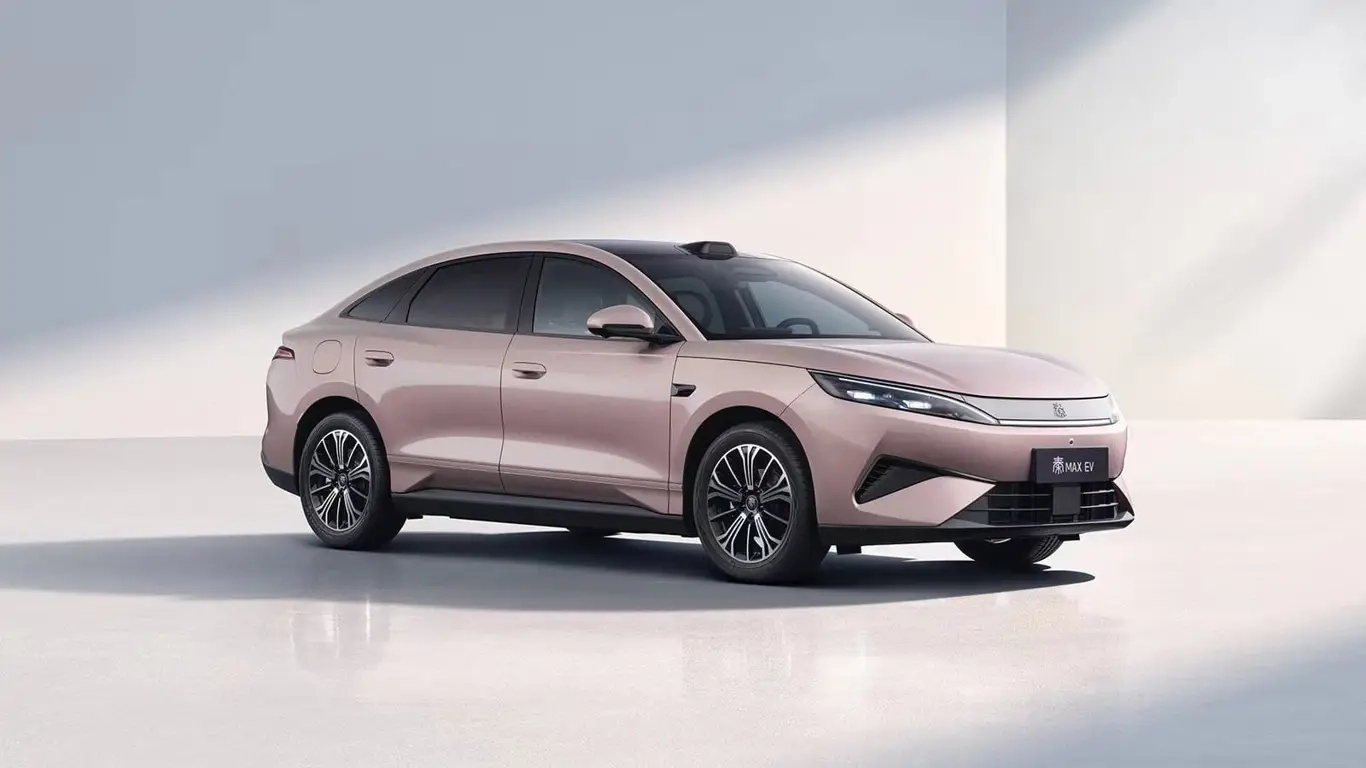

BYD just scrambled the pricing math for the entire segment. The new Qin Max launched in China at 99,900 yuan — roughly $14,000 — undercutting what the market expected just a month ago. Back in July, dealer chatter pegged the hybrid's starting price at 115,000 yuan. The final number landed far more aggressive. Nine trims are on offer in total: the DM-i hybrid runs 99,900–129,900 yuan, while the EV spans 109,900–143,900 yuan. The top trim works out to roughly $20,000.
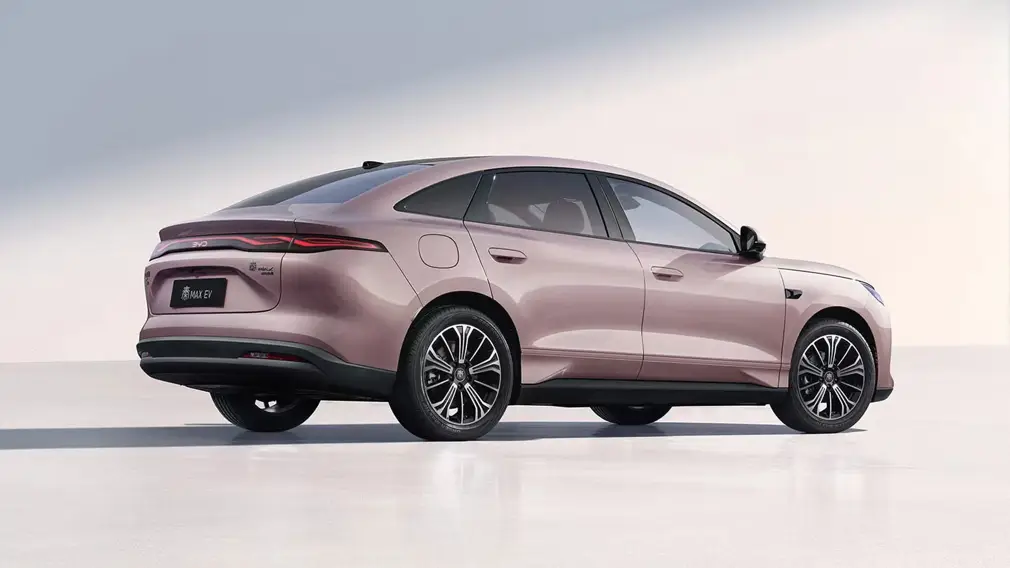
Qin Max is now the largest model in the Qin family, sitting above the Qin L. At 4,866 mm long with a 2,820 mm wheelbase, it packs a 523-liter trunk that expands to 1,450 liters with the seats folded. Regulatory filings confirmed two electric motor outputs ahead of launch — 120 kW and 240 kW, or 163 hp and 326 hp — alongside a hybrid setup pairing a 1.5-liter naturally aspirated engine with a 175 kW traction motor.
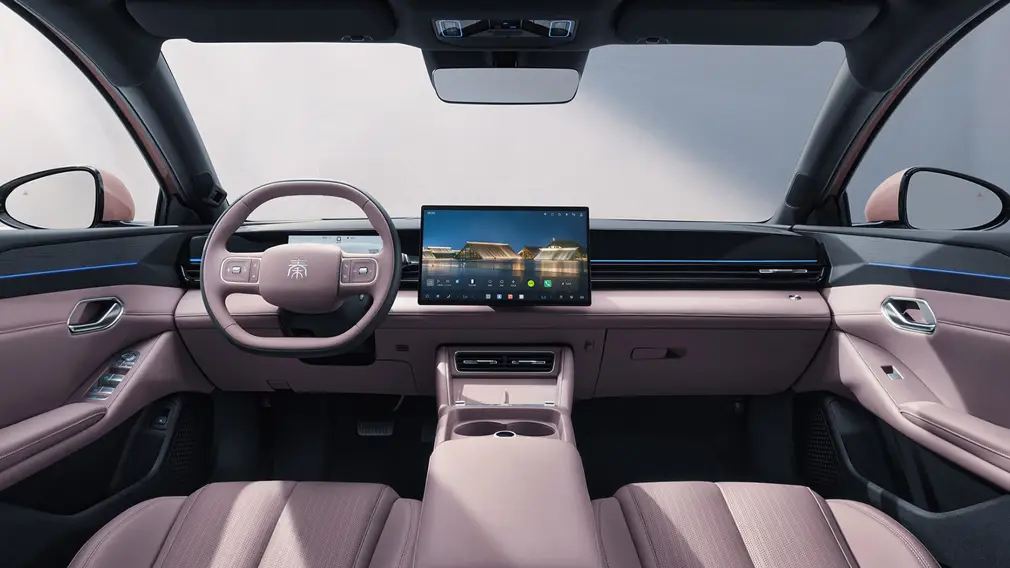
The EV's headline argument is the second-generation Blade Battery paired with Flash Charging. The numbers sound almost implausible: BYD claims a 10–70% top-up in five minutes and 10–97% in nine minutes. Other BYD production models already run the same new-generation Blade system. The Qin Max EV offers 530 or 630 km on the CLTC cycle, with the top trim pushing 240 kW. But having the hardware doesn't guarantee five-minute charging at just any station — hitting those numbers requires compatible ultra-high-power infrastructure.
There's another question the technology still has to answer, and the production Qin Max will be the one to answer it. An independent test of another BYD model running Flash Charging recorded significant heating in the battery casing. No battery damage was reported at the time, but the concern lingered. How the new sedan's battery holds up under regular ultra-fast charging is still too early to say.
The Qin Max DM-i hybrid pairs a 1.5-liter naturally aspirated engine with a 175 kW electric motor. BYD claims up to 320 km of electric-only range, a combined range of 2,370 km, and fuel consumption of 2.59 L/100 km once the battery is depleted. That last figure comes from the NEDC cycle, though, so it isn't directly comparable to WLTP numbers quoted for European cars.
The price here is more than just a number — it's an admission. Tarantas News calculations based on company reporting show Qin-family sales fell 75.67% year-on-year in July, to 13,117 cars, and 50.55% over January–July, to 162,291 units. That makes the 15,100-yuan gap between the earlier pricing target and the actual launch price look less like a launch-day discount and more like a calculated bid to claw back volume through size, range, and blistering-fast charging all at once.