
Nobody saw this coming: Ford's next European crossover will run on Chinese underpinnings. Geely's leadership has effectively confirmed it, and the doubts are all but gone.
GEA — a modular platform built to handle a range of electrified powertrains — will be the base architecture for the two companies' joint projects going forward. Ford has already officially announced that the new vehicle will be designed in-house and co-developed with Geely, with production starting in Spain in 2028. The confirmation came during Geely's first-half earnings call. Asked directly whether Ford would use Chinese technology, Geely Auto's new chairman An Conghui named GEA as the base architecture for further cooperation, explaining that products tailored to different brands' requirements will be built on top of it. That's a notably stronger statement than the industry rumors that had circulated about a possible Geely platform.
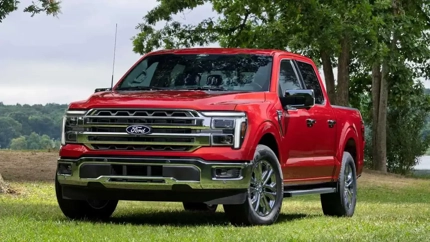
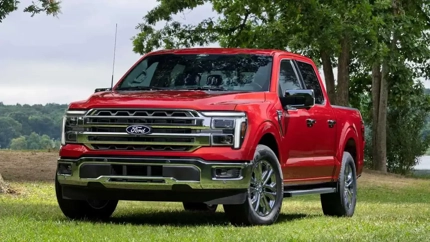
Turning the future Ford into a rebadged Geely is not on the table, though. The American company insists the crossover will get its own design, Ford's signature driving dynamics, and a "rally-bred" character. Exact dimensions, name, engines, and specifications remain under wraps. The official announcement says only that it will be a multi-energy crossover — a model built to run on different types of electrified powertrains.
Production will roll out at Ford's Valencia plant. The two companies are forming a joint venture in which Ford will hold 66% and Geely 34%. Once the necessary approvals are in place, the venture is expected to begin operating in the first half of 2027, with new vehicles reaching the line in 2028. Alongside the joint Ford crossover, the plant will build a new compact Bronco and two Geely electric SUVs; the current Kuga will remain in production.
The plant's potential capacity is around 500,000 vehicles a year. And this isn't Ford's first move of this kind in Europe. The company already uses Volkswagen's MEB platform for the Explorer EV and Capri, and now it's gaining access to another architecture instead of developing the entire technical base on its own. With Geely, the logic is especially clear: one production site, shared components, and high volumes should bring costs down. Ford itself names high costs as one of the reasons behind the joint venture.
For Geely, the payoff runs the other way. The Chinese group gains European production and a local supply chain instead of just shipping finished cars from China. An Conghui said Ford's plant is expected to start building Geely vehicles in 2028 and will become part of the company's localization strategy outside mainland China.
The big unknown now is how deeply Ford can rework the car on top of GEA. The platform and part of the technology will be Chinese, but the company intends to keep the body, positioning, and driving character its own. Can that balance hold — or will the European crossover quietly turn into an ordinary badge-engineering exercise? We'll find out by 2028.
Tarantas.news previously reported that Ford designed a folding kennel concept for carrying dogs directly in a pickup bed. The design can change ventilation and fold toward the front wall of the bed, but there's no confirmation yet that the option will reach production models.