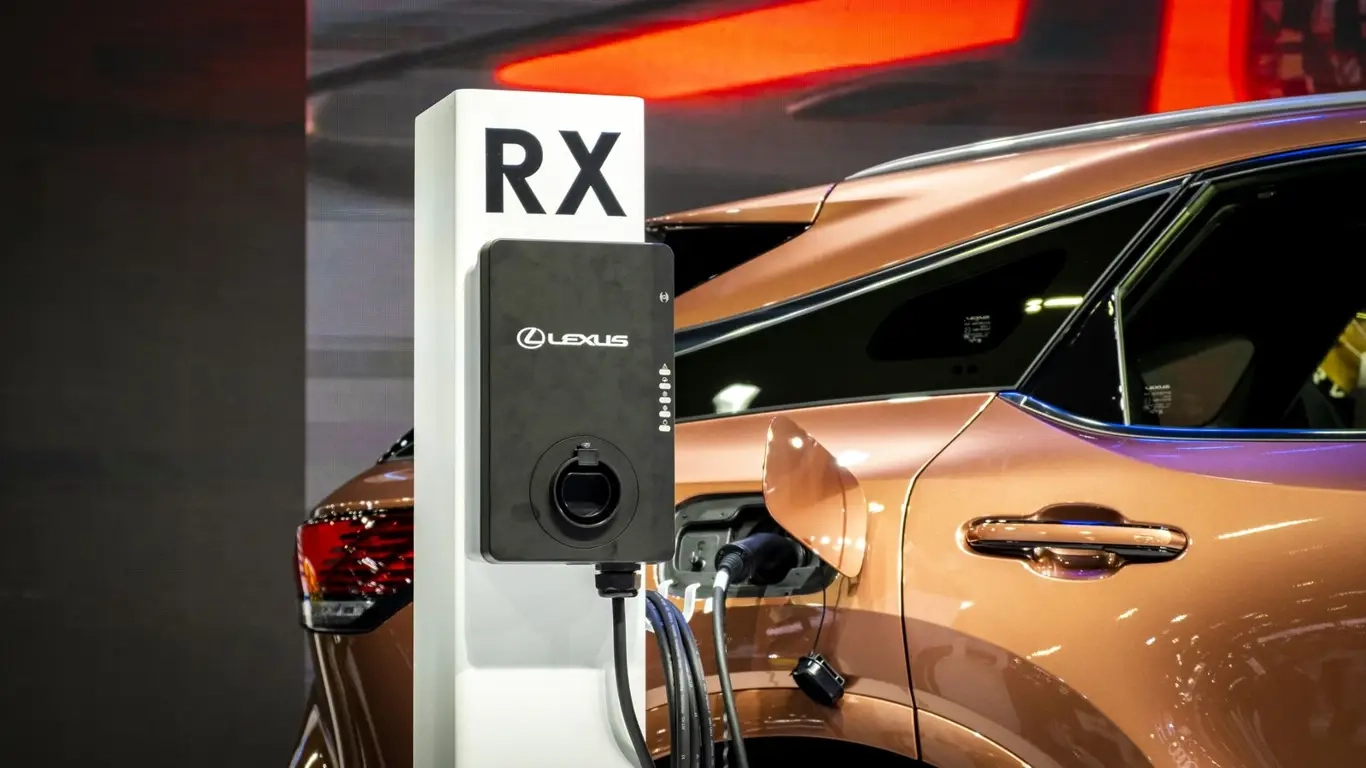

Rain is not a problem for an electric car. A thunderstorm is a completely different story. If your charging station is rated for outdoor use and installed correctly, ordinary rainfall won’t interrupt anything. But the moment a storm front appears on the horizon, it makes sense to stop charging early and unplug the car, automotive expert Dmitry Novikov told 32CARS.RU.
Water isn’t the danger here. The real threat is a voltage surge triggered by a nearby or direct lightning strike — one that can fry both the car’s electronics and the charging station itself. Manufacturers plan for exactly this: Siemens requires surge protection on the supply line, and for the VersiCharge it separately recommends an external Type 2 surge arrester — even though built-in protection already exists.
Timing matters here. You need to disconnect the car before the storm actually arrives — Siemens’ VersiCharge manual explicitly forbids plugging or unplugging cables during a thunderstorm. And if you can already hear thunder, don’t head outside just to unplug the car. According to the National Weather Service, lightning can already strike within range of a person at that point.
“If the forecast and conditions point to an approaching storm, it’s better to stop charging and disconnect the car ahead of time. Modern surge protection significantly reduces the risk, but it doesn’t guarantee safety from a close lightning strike,” Novikov noted.
For a wallbox with a fixed cable, it’s simple: stop the charge normally and unplug the connector from the car. There’s no need to open up the station or touch its fixed power supply. Don’t rush back to the car once the storm passes, either — meteorologists recommend waiting at least 30 minutes after the last clap of thunder.
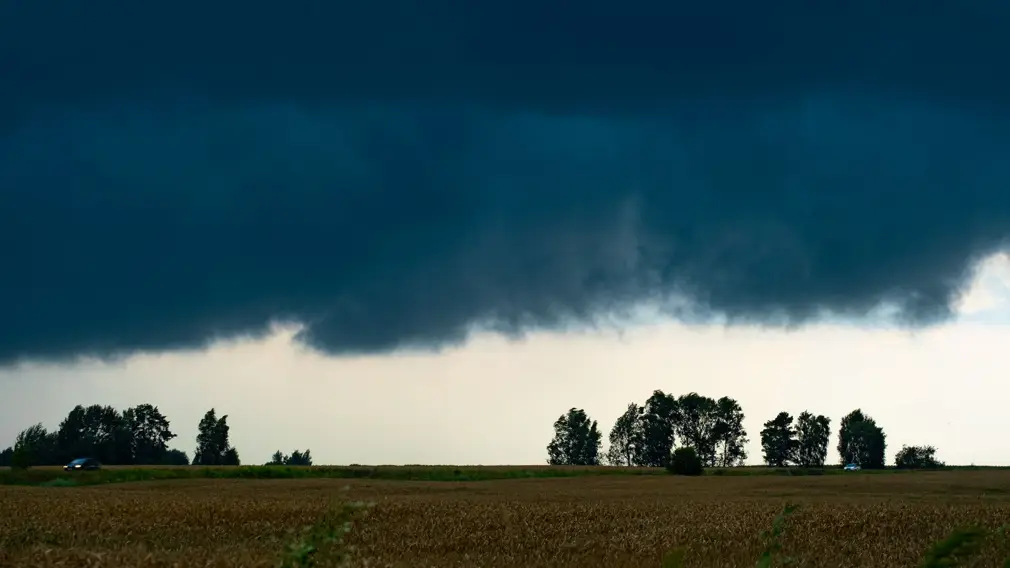
Sitting inside a closed car during a thunderstorm is actually safer than staying out in the open. What protects you is the car’s metal shell — not the rubber tires, as many people assume. Keep the windows and doors shut, and avoid touching any exposed metal inside the cabin. That protection only applies to a fully enclosed car with a rigid metal roof, though: convertibles and cars with non-metal bodies don’t offer the same shield.
Don’t confuse this scenario with ordinary rain. Outdoor chargers are built for exactly that: the Tesla Wall Connector is rated IP55, the Siemens VersiCharge is rated IP56, and its vehicle-side connector is rated IP54. The only real requirement is keeping the contact area clean, in good condition, and free of pooled water.
Flooding is a different level of risk entirely. If water has partially or fully submerged a wallbox, don’t use it until a professional has checked it. The same goes for an EV that’s taken a serious dunking.
There’s also a warranty catch — and it’s not a pleasant one. A lightning strike doesn’t automatically void a car’s warranty, but the damage it causes might not be covered as a warranty claim. Tesla’s European terms, for instance, explicitly classify lightning as an external natural event, and damage from it isn’t covered by the factory warranty. Beyond that, everything depends on your specific insurance policy.
The bottom line comes down to three simple rules. Ordinary rain is a non-issue for a properly rated outdoor charger. If a storm is approaching, unplug the car ahead of time. And if the storm has already hit, don’t go outside just to grab the cable.