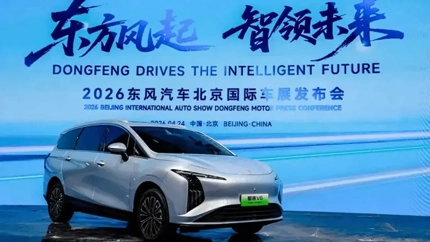

The new Toyota bZ7 is gearing up for sales in China and has already reached dealerships. The model replaces the previously shown bZ3X and underscores Toyota China: large electric vehicles tailored specifically to the local market.
The headline feature is the Huawei DriveONE powertrain, positioning the bZ7 among the most tech-forward electric sedans in its class. It’s also imposing in size: length 5130 mm, width 1965 mm, and a 3020 mm wheelbase. On paper, it outstretches the Xiaomi SU7, Xpeng P7, and even the BYD Han EV, pointing to generous space and presence.
Outside, the bZ7 stands out with a sleek, fastback roofline, hidden door handles, frameless doors, and a roof-mounted LiDAR. The design language echoes Toyota’s latest EV family with a closed-off grille and C-shaped lighting signatures, giving the car a clean, upmarket stance rather than shouting for attention.
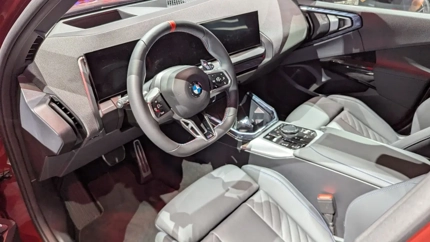
The cabin aligns with premium EV expectations: a large floating display, a digital instrument cluster, and Huawei’s HarmonyOS 5.0 with integration of the Xiaomi ecosystem. The four primary seats come with heating, ventilation, and massage, while the front passenger seat adds a “zero-gravity” function. A Yamaha audio system, a sectional panoramic roof, and a chilled storage compartment reinforce the premium brief and tilt the experience toward relaxed, lounge-like comfort.
Battery options include 71.35 and 88.13 kWh, with a maximum CLTC range of 600–710 km. Motor output reaches 207 kW, and an air suspension with Toyota tuning aims to deliver ride comfort at a premium level. At an estimated price of around 200,000 yuan (about €28,300), the bZ7 shapes up as a serious contender among large electric sedans, pairing strong specs with compelling value.
All told, the bZ7 is a clear example of how Toyota is adapting to the Chinese market. Its collaboration with Huawei and the premium-oriented execution make it one of the more intriguing launches slated for 2026.