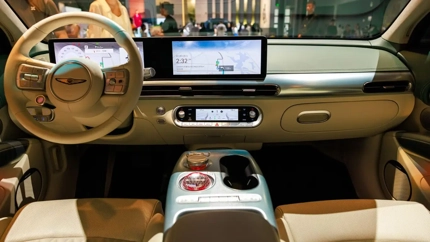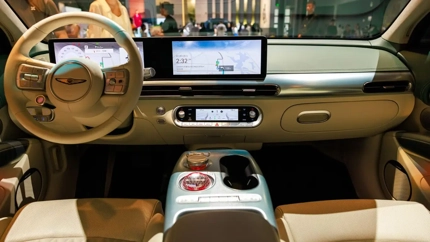
Nobody saw this coming — yet here they are, Honda and Nissan, agreeing to share the “brain” of their future cars. As soon as 2029. The two companies are preparing to jointly develop the base software and the central computing unit for software-defined vehicles (SDVs) — cars whose functions can be updated and expanded through software long after they leave the dealership.
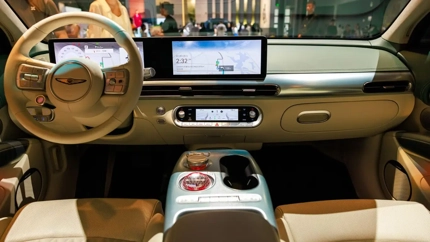
For the owner, this shift matters more than it sounds. A modern car juggles dozens of scattered electronic control units. A centralized architecture pulls most of that computing power into one powerful ECU. That simplifies how systems talk to each other, speeds up over-the-air updates, and lets automakers add new features without a trip to the shop to swap out hardware.
But shared electronics don’t mean Honda and Nissan are about to become technical twins. Japanese sources previously reported that the shared central ECU is meant as a base layer only. Autonomous-driving apps, infotainment, and other brand-specific features will still be developed separately by each company.
Both automakers already bring real groundwork to the table. Honda is building out ASIMO OS for its Honda 0 family, meant to run ADAS, vehicle dynamics, the digital interface, and over-the-air updates. Nissan is pushing its own Scalable Open Software Platform, also built for constant updates and for gathering the data that powers future AI features.
The question that actually matters to buyers will surface later — and it’s an uncomfortable one: how long will automakers keep supporting software updates, and will some features end up locked behind a subscription? So far, neither Honda nor Nissan has disclosed those terms for the joint platform. For now, this is a story about architecture and a 2029 timeline — not about specific models or a lineup of paid services.