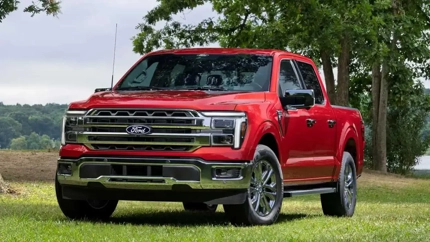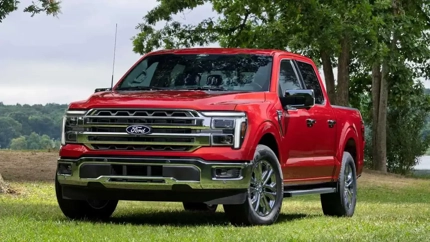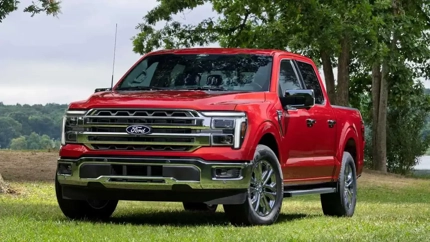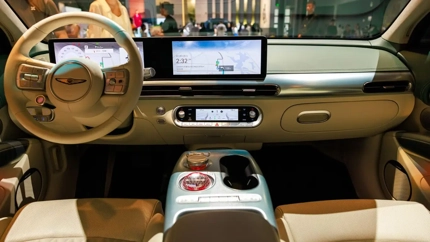

Toyota and Honda make more than three-quarters of every car built in Canada. That’s exactly why a proposed jump in U.S. tariffs on Canadian-made vehicles — from the current 25% to 50% — could hit nobody harder than these two Japanese giants. That’s the picture painted by a fresh Reuters analysis.
Honda looks especially exposed. According to Barclays estimates, Canadian-built vehicles accounted for almost a quarter of the brand’s entire U.S. sales in 2025. Toyota’s number is smaller — 17% — but still higher than any other major automaker’s.
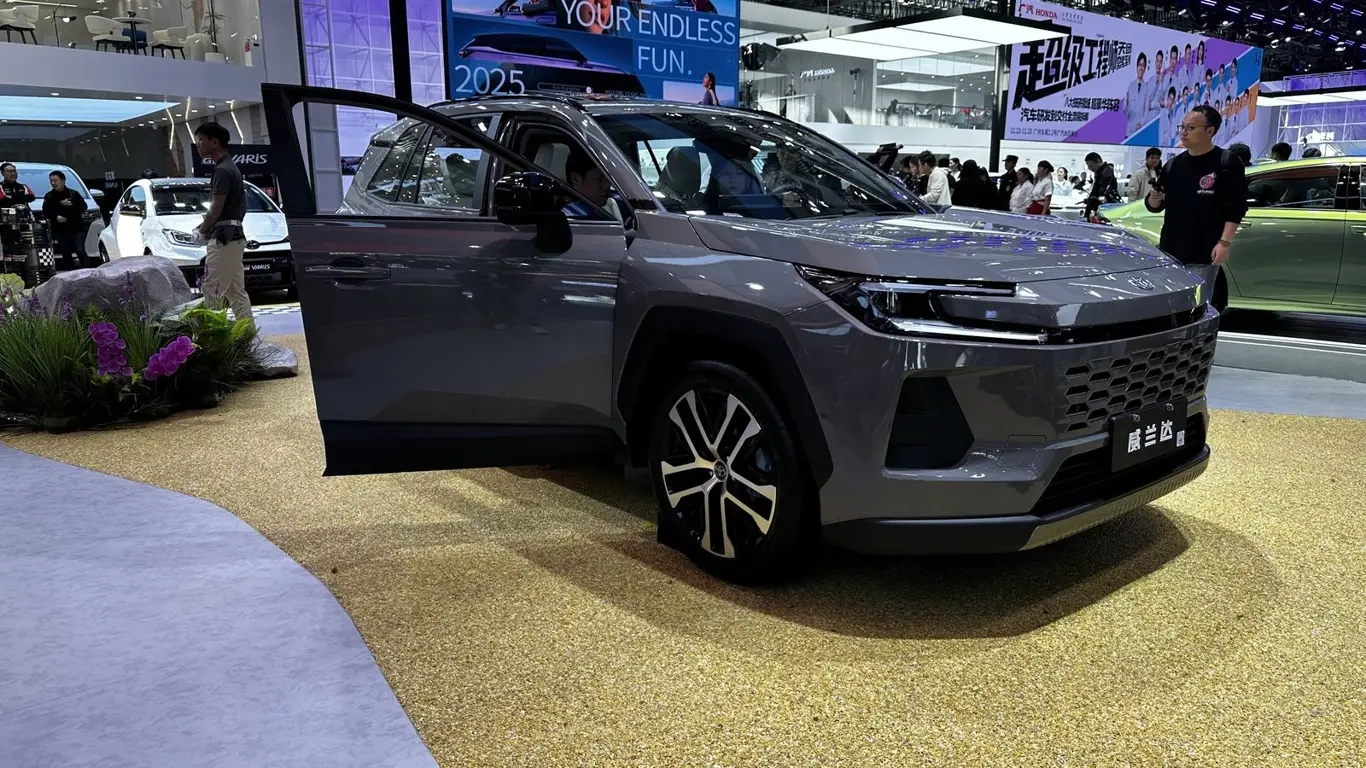
And these aren’t niche models. Toyota exports the RAV4 from Canada to the U.S.; Honda exports the CR-V. Both crossovers rank among the best-selling vehicles in the American market. Canada’s auto industry builds around 1.2 million cars a year in total.
U.S. President Donald Trump has said he intends to raise the tariff on Canadian-built vehicles to 50% starting January 1, 2027. For now, it’s just an announced plan — trade terms could still shift before it takes effect. The current rate is 25%, and vehicles that meet CUSMA requirements get separate treatment for their U.S.-content share.
Neither Toyota nor Honda has an easy fix. In theory, production could shift to U.S. plants. But Reuters notes real constraints: vehicles built for the U.S. market are tailored to local requirements, and other American plants may already be running near capacity.
Honda has already moved some U.S.-bound CR-V production to Ohio — yet its Canadian plant keeps shipping vehicles south of the border. Toyota, meanwhile, is doing the opposite: ramping up RAV4 output after the model’s generational redesign. Shifting volumes out of Canada entirely wouldn’t be a quick logistics fix — it would mean rebuilding the whole production network.
Julie Boote, an analyst at Pelham Smithers Associates, said that if the 50% tariffs stick, Toyota and Honda could be forced to shut down some Canadian assembly lines. Making things worse: the U.S. remains a critical market for both automakers, even as they lose ground to Chinese EV makers in Europe, Southeast Asia and Latin America.
Toyota has already put a number on the damage — roughly 1.4 trillion yen, or $8.8 billion, in U.S. tariff costs over the last fiscal year. At the same time, the company plans to invest up to $10 billion in U.S. production over the next five years.
So a potential 50% tariff isn’t just another line item in a trade schedule. For Toyota and Honda, it threatens a system built over decades: build the cars in Canada, sell them in the U.S. And the longer the uncertainty drags on, the more expensive it gets to rebuild that system.