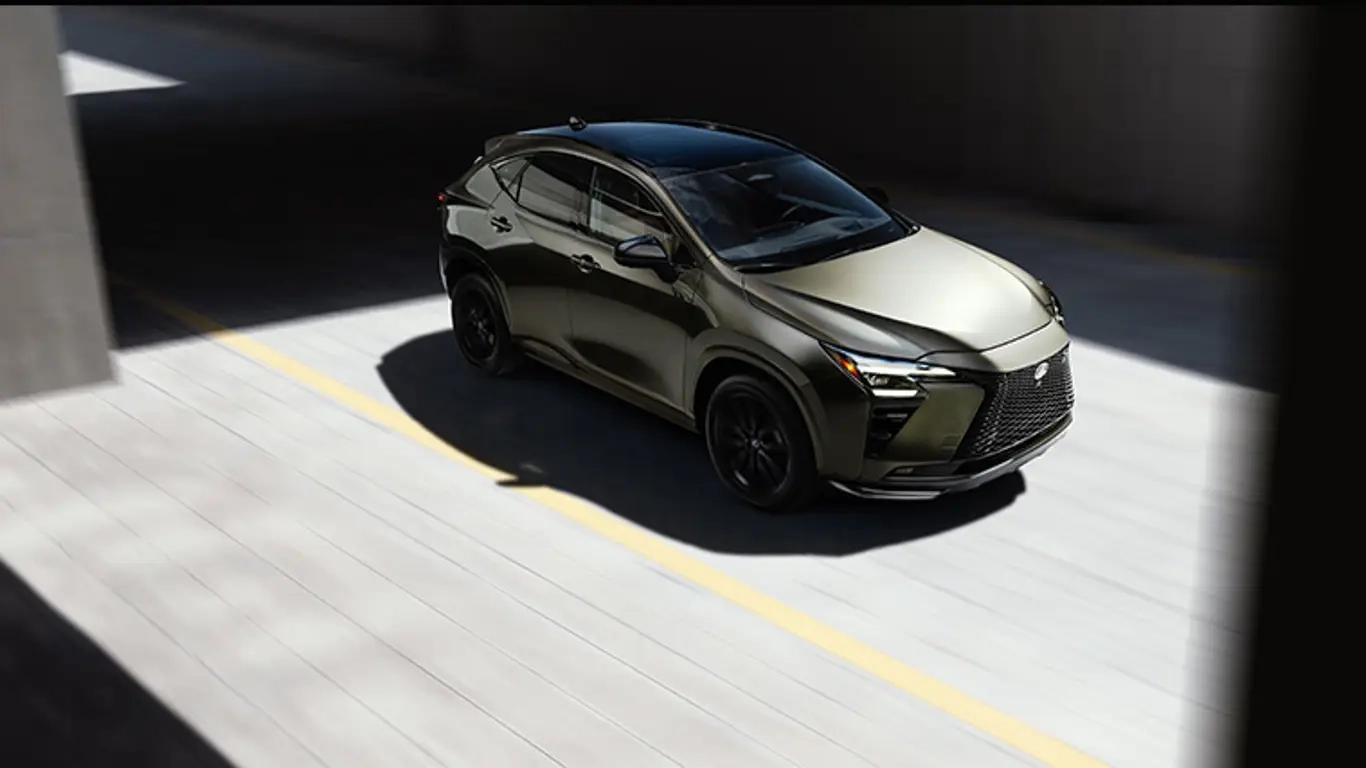

This is no ordinary facelift. The Lexus NX has been reworked so extensively that the new lights and completely redesigned cabin almost feel secondary. The company effectively rebuilt the hybrid system, installed a compact e-Axle combining the transmission, electric motor and control unit, and adopted lower-loss SiC semiconductors in the inverter. In the European plug-in NX 450h+, battery capacity rises by about 30% from 18 to 23 kWh, while maximum system output climbs 8% from 292 to 307 hp. For the first time on a Lexus plug-in hybrid, DC fast charging is also available: the battery can go from 10 to 80% in about 30 minutes. Lexus has not yet disclosed the charging power.
So what does all of that deliver on the road? First, a huge jump in electric range. The European NX 450h+ is promised to cover more than 100 km on the WLTP cycle without firing up the gasoline engine, the Japanese version more than 140 km WLTC, and the North American model more than 40 miles, or roughly 64 km, under the EPA cycle. The current European NX 450h+ with an 18.1-kWh battery manages 68–74 km WLTP, so the minimum gain exceeds 26 km. The new 450h+ is provisionally rated at 215–240 kW of system output, roughly 292–326 hp depending on the market. The 0–100 km/h sprint takes around six seconds, while the 307-hp European version is expected to do it in 6.1 seconds.
The range has grown as well: it includes the NX 450h+ 2.5 AWD, NX 350h 2.5 AWD/FWD and NX 300h 2.0 FWD. The crossover stretches 30 mm to 4690 mm, while its 1865-mm width, 1660-mm height and 2690-mm wheelbase are virtually unchanged. System output across the lineup spans roughly 197–326 hp, while curb weight ranges from 1690 to 2130 kg. There is one important caveat: Lexus still calls these figures preliminary, so specifications will vary by market.
The real surprise, though, is buried deeper. Floor rigidity rises by about 25%, while suspension-mount rigidity is up roughly 30%. The NX 450h+ battery cells are now arranged transversely and the pack itself sits lower, changes Lexus directly links to greater lateral body rigidity and a lower center of gravity. Development took place not only at Shimoyama, but also at the Nürburgring and on surrounding roads. Engineers even tested the crossover at speeds above 200 km/h.
And stiffness is only part of the story. New dampers use valves that work even at extremely low piston speeds, the steering wheel shrinks to 360 mm, and the steering rack gains a variable ratio. E-Four has been seriously reworked too: the rear electric motor can now provide continuous drive not only during launches, wheelspin or cornering, but also in straight-line driving. Another system selectively brakes individual wheels in bends to help suppress yaw and body roll during abrupt maneuvers. In other words, Lexus wants the NX to feel not just stronger, but noticeably more engaging.
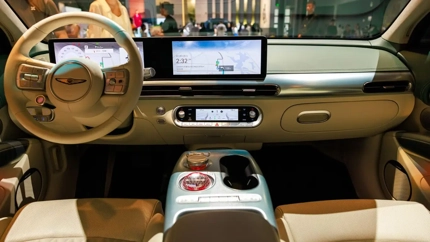
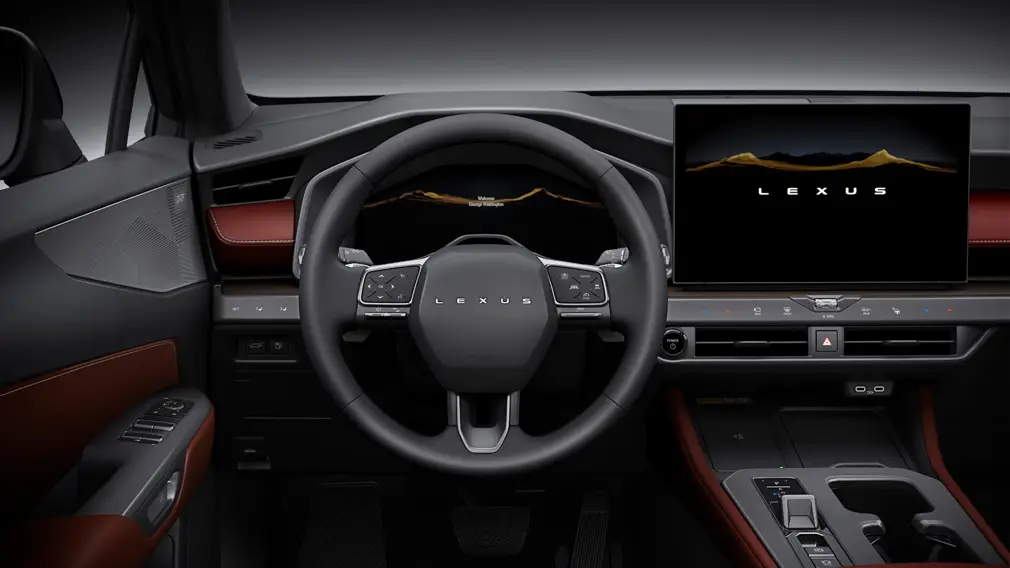
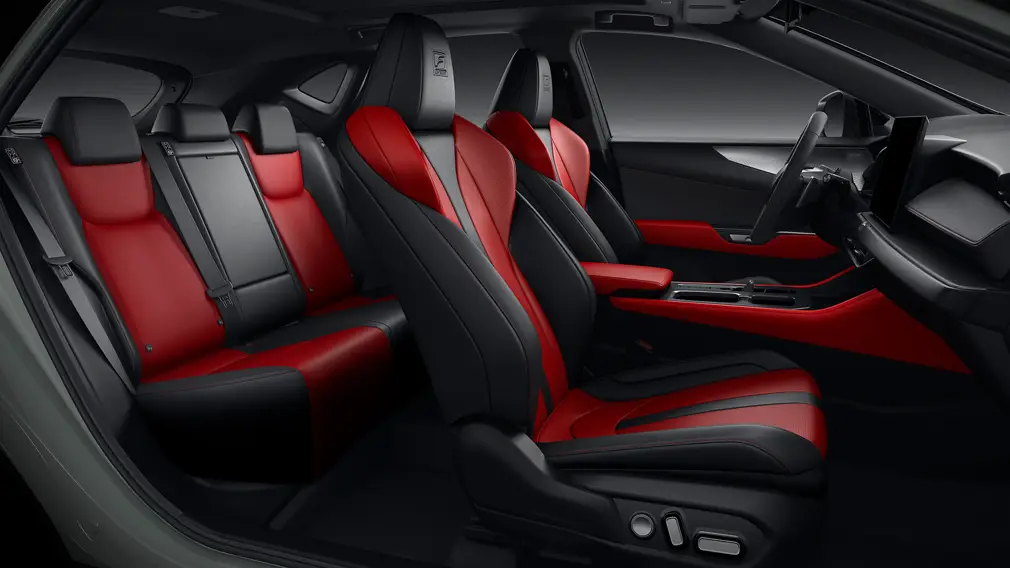
The cabin changes are just as dramatic. Drivers get a 12.3-inch digital instrument cluster and a 14-inch multimedia display, while conventional controls are joined by translucent Responsive Hidden Switches. The most unusual addition, however, is Sensory Concierge. It coordinates ambient lighting, music, climate control, seat temperature and even cabin fragrance. There are three programs — Inspire, Radiance and Revitalize — plus five scents, and the generator hidden in the glovebox can hold up to three replaceable cartridges. Apparently, leather and a giant screen are no longer enough to define luxury at Lexus.
Lexus Safety System+ has become significantly smarter as well. Adaptive cruise control starts braking earlier when traffic ahead slows or another vehicle cuts into the lane. Navigation data lets the NX reduce speed in advance for bends, Stop signs, roundabouts and toll booths. The driver-monitoring system detects drowsiness, while the emergency assistant can bring the NX to a stop on the shoulder of a motorway if necessary. Blind-spot monitoring now detects bicycles and motorcycles, the surround-view cameras gain a 3D mode, and the electronic aids work in more situations while towing a trailer. The exact feature set will, however, depend on the market.
Lexus did not stop at cosmetic changes outside either. The NX gets new lighting with the brand's first Double L rear signature, nine exterior colors and a dedicated F Sport treatment with lighter 20-inch wheels. Since 2014, Lexus has sold about 1.9 million NX vehicles in more than 90 countries and regions, and the heavily updated crossover will begin reaching global markets from late 2026. Now the suspense shifts to pricing and final regional specifications. Those numbers will show just how far Lexus has managed to move this NX beyond the car it replaces.