
Renault is suddenly stepping up the pace in Europe — and now the acceleration has reached the people on the production line. From September 1, staffing agency PROMAN is recruiting more than 350 people for the Renault ElectriCity EV plant in Douai. The main openings are for production operators, forklift drivers, painters and defect-repair specialists. Candidates are being offered temporary contracts and CDI intérimaire positions.
This is not a sudden hiring spree. Renault Group said on July 10 that since October 2025 the Douai plant had already brought in 550 temporary workers, launched a night shift at half capacity and was preparing to raise the production rate again in September 2026 because of growing commercial demand. ElectriCity is also running a separate drive to hire 300 permanent employees by 2027.
But there is an important trap in those numbers. Adding 550 and 350 together and calling them “900 new permanent jobs” would be wrong. The new PROMAN campaign is aimed mainly at flexible temporary staffing needed to ramp up production, while Renault's 300-person program concerns permanent positions. In other words, the plant really is expanding its workforce, but these jobs are not all the same.
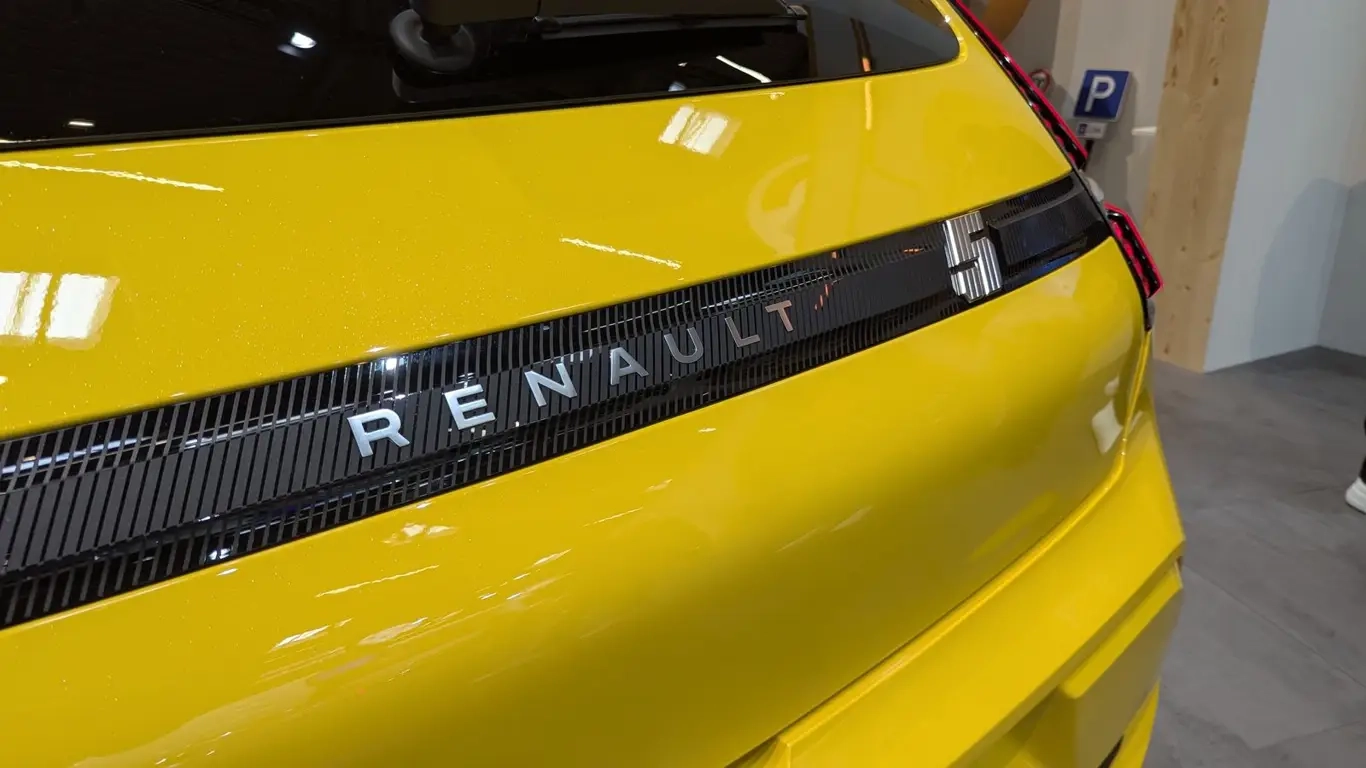
There is another detail that breaks the overly simple story about the “success of Renault EVs”. Douai has long been producing cars for more than one French brand. A single flexible line now builds six electric vehicles from four brands: Renault Megane E-Tech, Scenic E-Tech and Renault 5 E-Tech, Alpine A290, Nissan Micra and Mitsubishi Eclipse Cross. More than €550 million has been invested in the site, including a new production line and a battery-assembly area.
And the conveyor really is speeding up. By July, the ElectriCity plants in Douai and Maubeuge had already produced 600,000 electric vehicles, while the Renault 5 is heading toward 200,000 units built since launch during 2026. But tying the current hiring push to that model alone would be too easy: Douai is effectively ramping up an entire multi-brand electric program.
Now the key question is what happens to actual output. Renault has not yet disclosed how many cars per shift or per year Douai should build after the September acceleration. The real production results will therefore show just how big this hiring push is. The workers are coming in. Now it is the cars' turn.