
Nissan is openly looking for partners to strengthen its lineup and cut costs, yet it stresses that it is not interested in simply buying a platform or technology from someone else. The head of product planning for Nissan America said potential deals need to be reciprocal, which, in the company’s view, is what turns a one-off transaction into a long-term collaboration. This stance signals a desire to keep both leverage and identity intact while sharing the load.
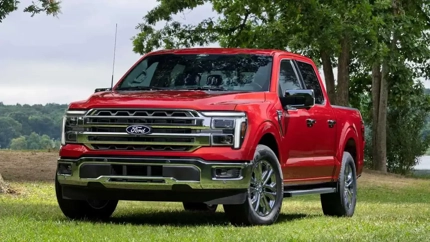
The company’s key offer is the next-generation Frontier platform. It is set to underpin not only the new pickup but also the next Pathfinder and a revived Xterra. We’re talking about a body-on-frame architecture and an expected hybrid powertrain built around a V6. If a partner wants to fully differentiate a model on this base, Nissan is ready to discuss formats ranging from technology sales to rebadged versions. That kind of flexibility tends to draw interest: it lowers entry barriers without diluting the core product.
According to the executive, there could also be interest in Nissan/Infiniti’s larger SUVs (Armada and QX80) and the more mainstream Rogue. There are no firm decisions yet, but the company says it is talking to several potential participants at once. Casting a wide net looks like a practical way to accelerate programs without compromising on standards.
EVs are a separate pain point. Nissan acknowledges that scale is essential for electric vehicles, so it does not rule out co-developing an entire family of electric crossovers. The idea is straightforward: share platform and battery costs so EV projects stop being a financial burden and turn into competitive products. In the current market, that’s a pragmatic reading of what it takes to make the numbers work.