
Volkswagen is reassessing its U.S. electrification playbook as EV sales trail expectations and concerns over charging access and range continue to dampen appetite. In response, the company is weighing range-extended electric vehicles, an in-between solution that bridges the gap between a battery-only model and a traditional hybrid.
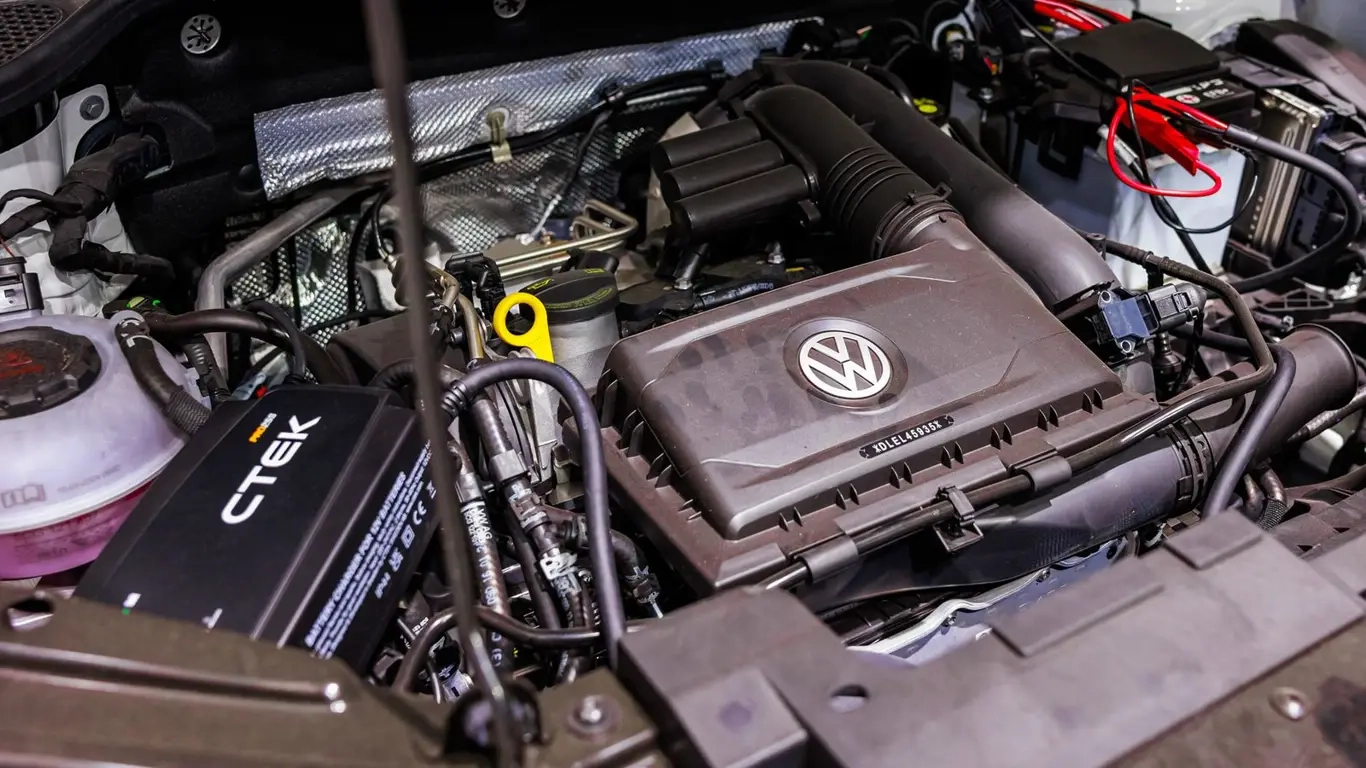
The idea is straightforward: most of the time the car drives on electric power, but a small gasoline engine on board does not turn the wheels; it works purely as a generator when the battery runs low. That reduces dependence on rapid public charging and can make EV ownership feel less daunting, especially on long trips. It is a pragmatic way to lower the barrier for buyers without stepping away from electrification.
Market signals for VW are uneasy. In the U.S., among the slowest in demand are the Golf GTI and Golf R performance versions, as well as the ID.4 and ID. Buzz electric models. Against that backdrop, the brand is studying whether to add a range extender to its high-volume crossovers and sedans in Western markets, the U.S. included. One important detail: the next global platform is already engineered to accommodate this approach, making timing and business case the main questions.
Meanwhile, the regulatory and market landscape is shifting: the pace of electrification in Europe and the U.S. has slowed, and lawmakers are exploring more flexible pathways. China is expected to receive Volkswagen’s first range-extended models as soon as next year, which suggests the technology is essentially ready.