
Ferrari devotees often look for workarounds to that unmistakable feel and soundtrack without stepping into the realm of six-figure stickers and opaque dealer arithmetic. Those avenues have existed: at different times, Ferrari engines—or powerplants with direct Ferrari lineage—were fitted to cars wearing other badges.
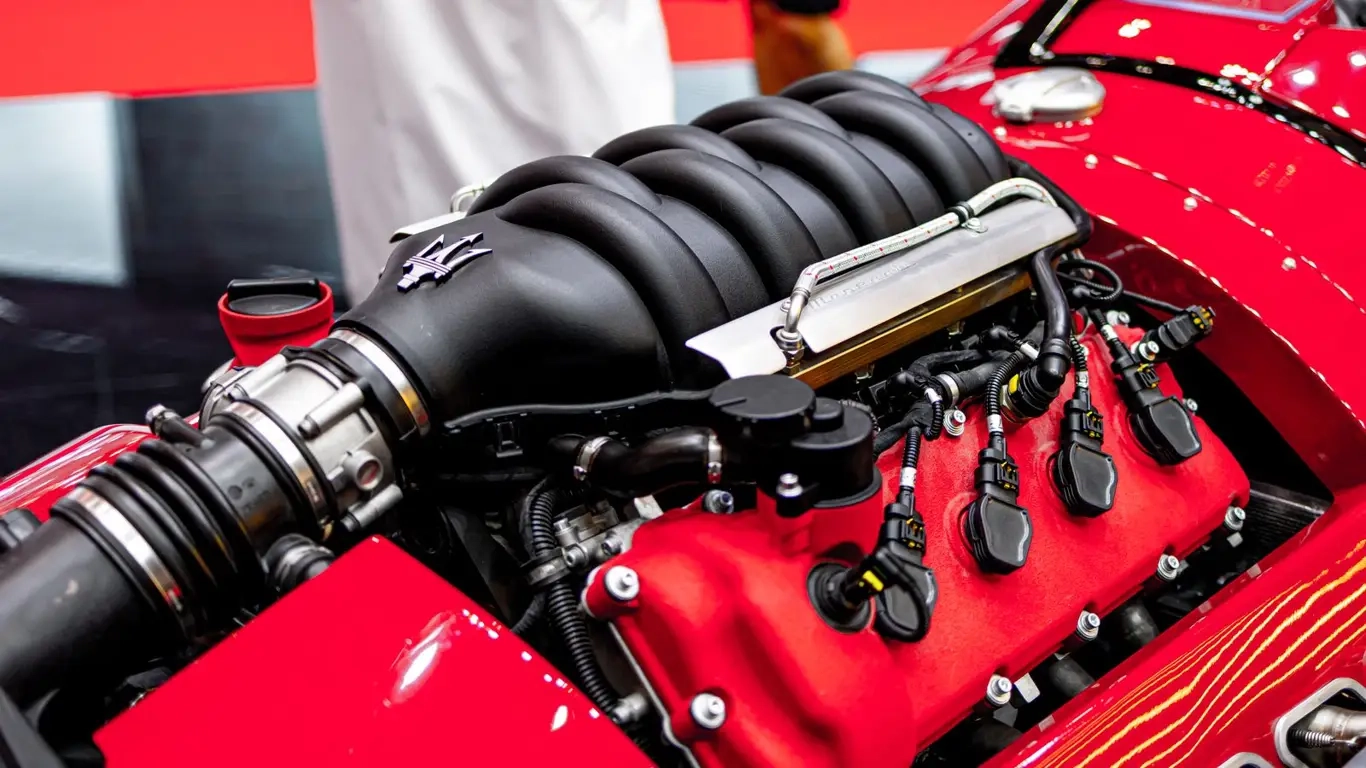
One of the best-known examples is the Alfa Romeo 8C, which used the F136 V8 family co-developed by Ferrari and Maserati. Interestingly, the engine first proved itself in Maserati applications before spreading to several landmark models. You can add certain years of the Maserati Quattroporte, where a naturally aspirated V8 from Maranello turned the luxury sedan into something close to a super-sedan in character, as well as the Maserati GranTurismo and GranCabrio, which delivered Ferrari emotion in a more comfortable grand-touring format.
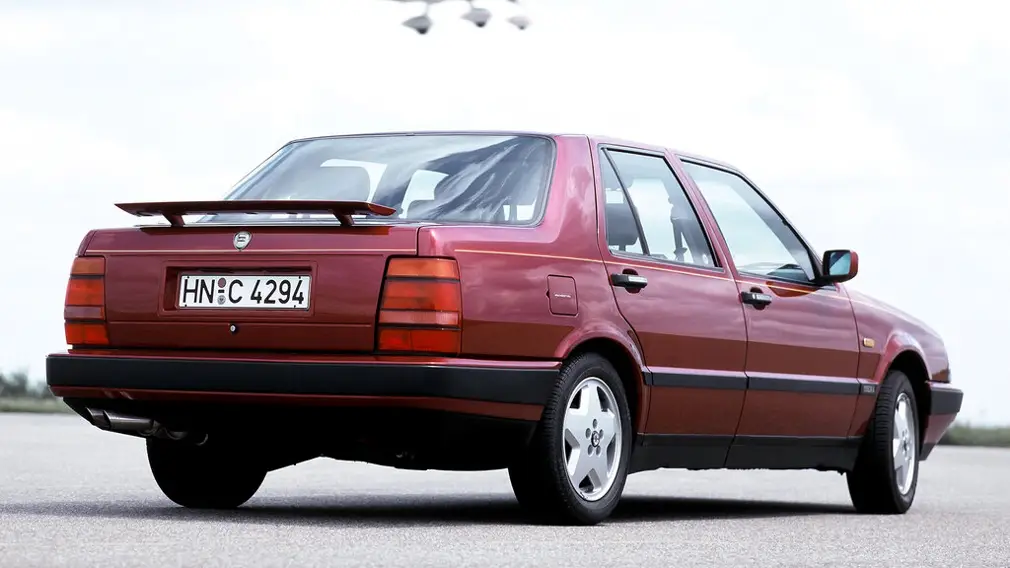
There are more eccentric stories. The Lancia Thema 8.32 hid a V8 with roots in the Ferrari 308 beneath a formal executive-sedan body, giving it a discreet, predatory vibe. The Fiat Dino was born of pragmatism: Ferrari needed production volume for a V6 to gain homologation, Fiat wanted a sporty halo, and the result was a car with a genuine Dino V6. That same V6 became part of the Lancia Stratos legend—a rally icon where Ferrari hardware met radical engineering. And the ASA 1000 GT offered a rare miniature of the Ferrari philosophy: a compact GT with an engine developed on Ferrari principles. None of them carried the Ferrari badge, yet each captured a slice of that appeal.