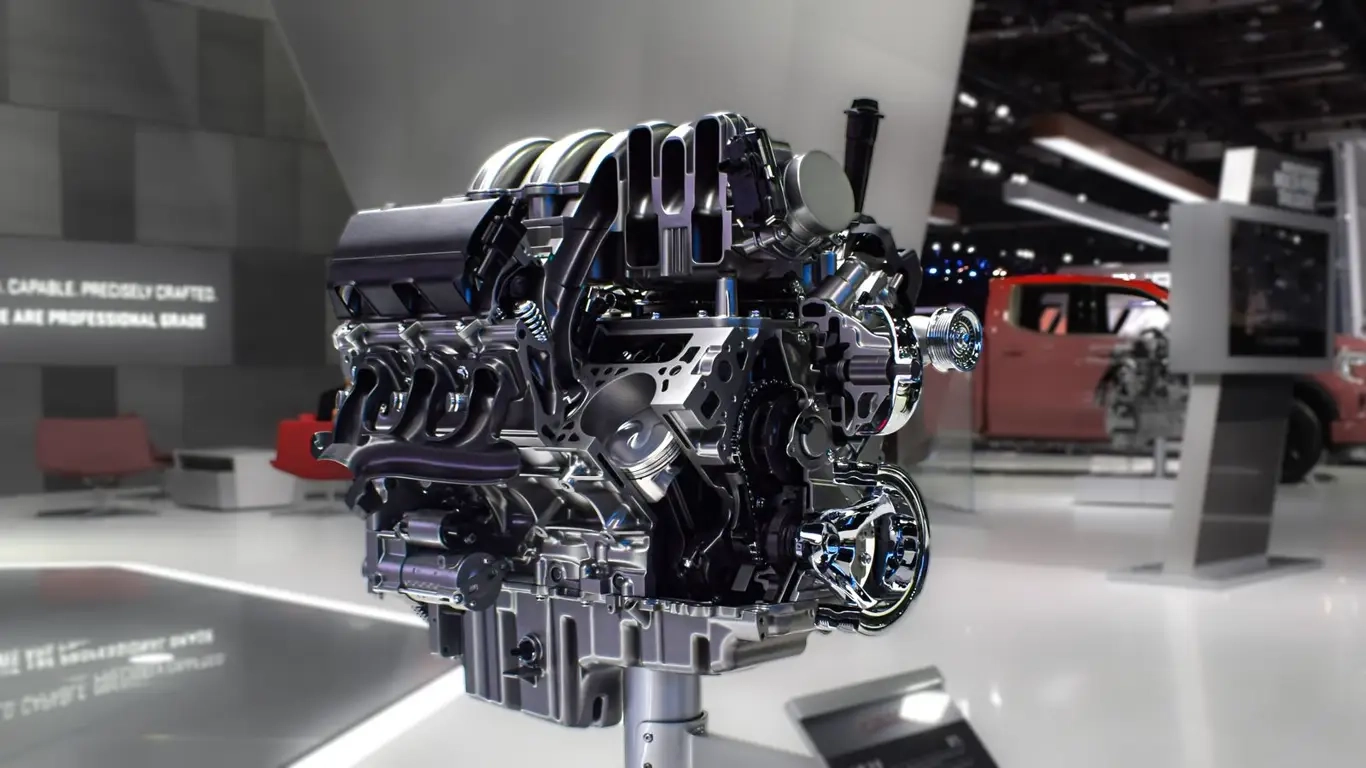

The story of General Motors’ modern V8s has run into what seems like a simple stumbling block: engine oil. Against a backdrop of failures and recalls affecting hundreds of thousands of vehicles, the key cause is described as insufficient lubrication of certain components. When very low-viscosity oils lose film strength under high heat and load, metal contacts metal. The outcome is predictable: accelerated wear and, in the worst case, severe engine damage.
Tellingly, the fix isn’t revolutionary but pragmatic. In service bulletins, GM has already advised switching to higher-viscosity oil for some problematic engines, and repeat complaints have dropped noticeably. Now, according to industry reports, engineers may specify thicker oil for the next generation of V8s from the outset, so they are not patching consequences after sales begin. Common sense, not a moonshot, appears to be carrying the day.
The debate grew sharper after surveys showed most owners favor higher viscosity in new V8s, putting longevity and predictability ahead of microscopic fuel-economy gains. It’s essentially a response to recent years, when ultra-thin oils were chosen to squeeze out formal efficiency points and meet requirements—costs that drivers ultimately shouldered. In daily use, that trade-off has always felt lopsided.
Another force at play is the potential easing of fuel-economy constraints. If the pressure to chase every last tenth recedes, manufacturers can more easily choose oil that truly protects the engine rather than oil that looks good in test-cycle numbers. That shift reads less like a breakthrough and more like overdue balance.