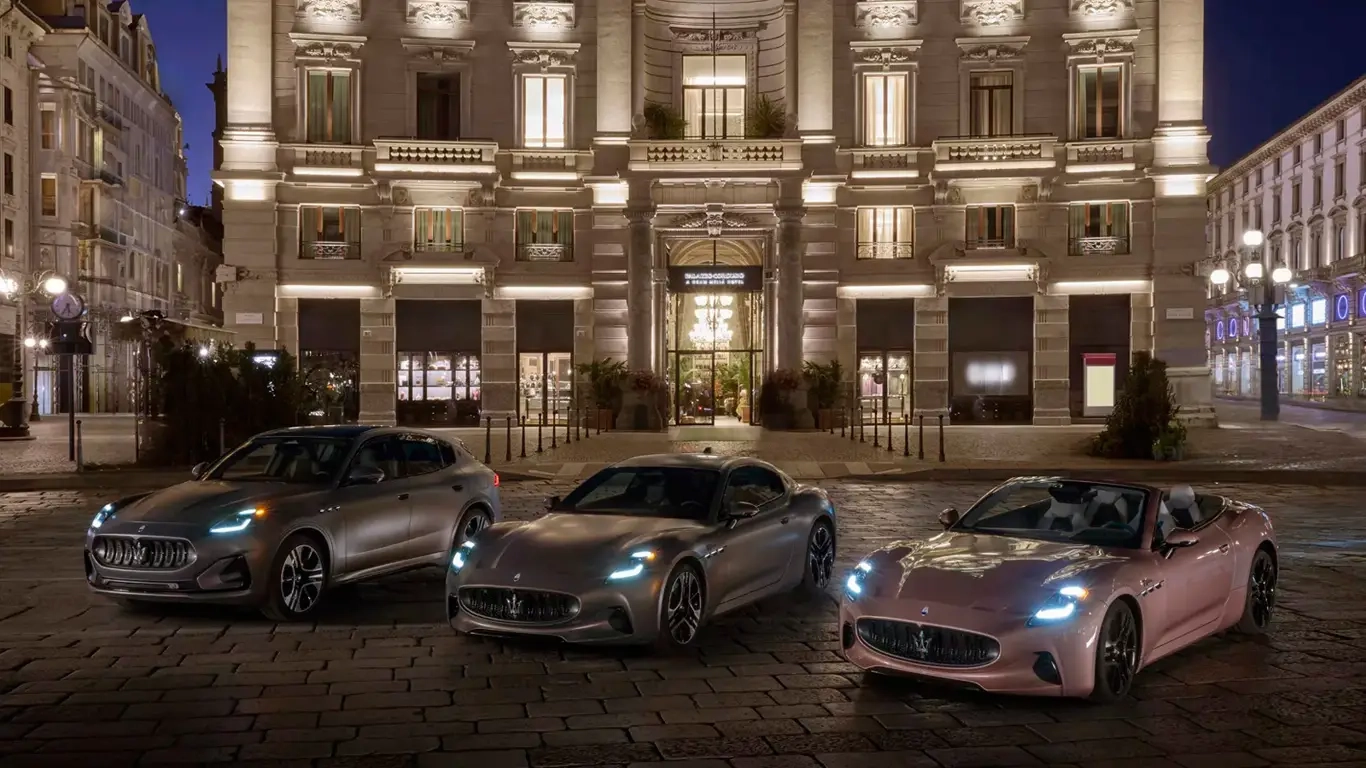

Maserati is navigating a difficult spell amid a sharp drop in registrations, a slide that also shows up in Stellantis’s results. Even so, inside the company 2026 is viewed as a possible turning point for the marque, which remains the group’s only luxury asset. That timeline feels pivotal for a badge that trades on cachet.
Management acknowledges the need for a thorough overhaul of the lineup. A mid‑term strategy is in the works, and by 2026 it should be clear whether storied nameplates like Levante and Quattroporte return or the brand bets on entirely new models. The focus is set on sharpening exclusivity, expanding Bottega Fuoriserie personalization, and finding a more competitive balance between electric and gasoline powertrains. For a brand built on character and craft, that emphasis looks well judged; the real test will be calibrating the mix to market reality.
A rapid refresh is not expected right away, yet Maserati has already taken a symbolic step by bringing GranTurismo and GranCabrio production back to Modena. A detailed industrial plan, guided by the new CEO, is slated for mid‑2026. What it contains will determine whether the next wave of cars can restore stability, strengthen identity, and reclaim ground on the global stage. The move back to Modena signals intent; in the luxury arena, symbolism helps, but execution will decide the outcome.