
If you own a General Motors electric vehicle and have noticed that no air is coming from the rear floor vents, the cause may be less dramatic than it seems. In most cases, it is not a fault in the climate control system but the ECO Climate feature doing exactly what it was designed to do: save energy.
ECO Climate automatically assesses which seats are occupied and, when appropriate, limits airflow to empty spots. That cuts HVAC energy use and helps stretch range — a particularly relevant trade-off for EVs and in step with a 2026 mindset where every extra unit of energy consumption matters.
GM’s official manual notes that with ECO Climate active, the system manages airflow on its own. If the rear seats are not recognized as occupied, it shuts off the air to that area.
You can control ECO Climate through the infotainment menu: Settings — Vehicle — Climate and Air Quality — ECO Climate. The feature can be turned on or off manually. It appears on most new GM EVs built on the BEV3 and BT1 platforms.
That list includes the Cadillac Lyriq, Optiq, Celestiq, Escalade IQ, Chevrolet Blazer EV, Equinox EV, Silverado EV, and GMC Sierra EV. Some models, such as the Hummer EV and the BrightDrop van, are not equipped with it.
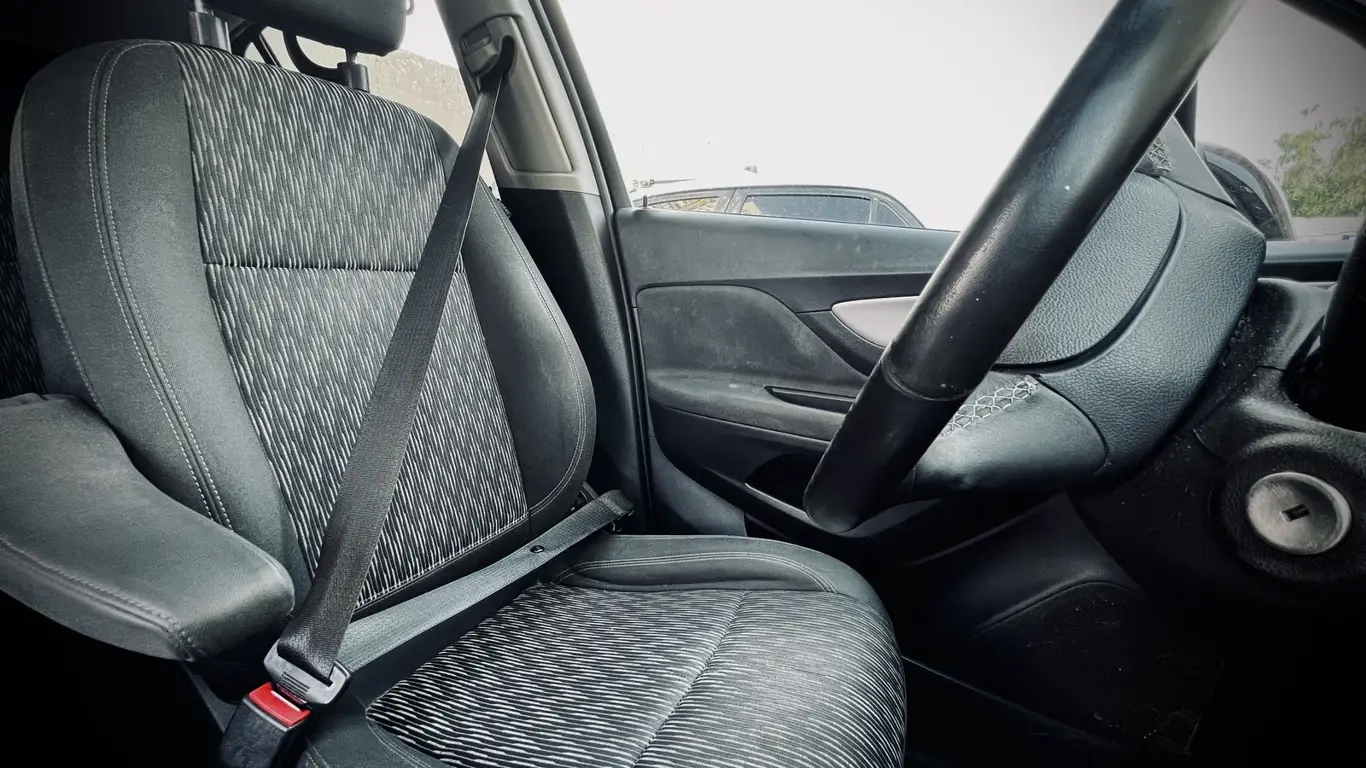
Some owners have found an unofficial workaround: buckling the rear seat belts prompts the system to deliver air to the back even with ECO Climate enabled. Still, that negates the energy-saving intent, so it is more sensible to simply switch the feature off when rear passengers need steady ventilation.
The ECO Climate story shows how modern EVs increasingly trade familiar behavior for efficiency. To an unprepared driver, the result can feel like a malfunction, yet it is a deliberate engineering choice. GM would benefit from explaining these features more clearly to reduce needless dealer visits and frustration — a small, timely prompt about limited airflow would likely spare owners a lot of head-scratching.