
2026 is shaping up to be one of the busiest years for premieres: the market is pushing hard into electrification, reviving familiar nameplates, and experimenting with new formats. Motor1 Italy has assembled a top ten of the most anticipated newcomers—from honest city cars to premium players and sports icons.
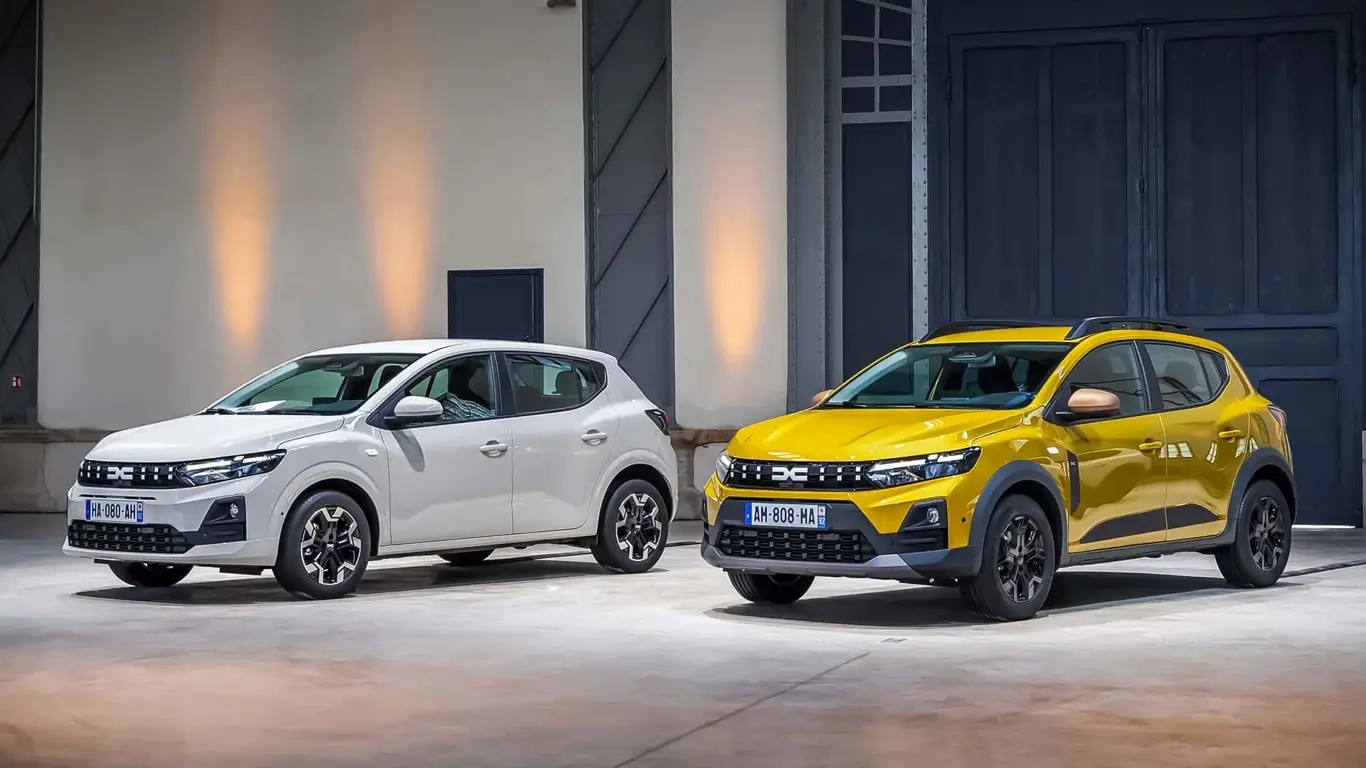
In 10th place is the Dacia Sandero with a facelift. Subtle exterior tweaks with a new LED signature and a more Duster-inspired cabin are joined by the main news: the arrival of the Hybrid 155 and a new LPG Eco-G 120 version with an automatic gearbox. That could turn the Sandero into an even stronger no‑nonsense pick.
Ninth goes to the Toyota Aygo X, which finally gains hybrid hardware derived from the Yaris. It promises extremely low fuel consumption, an 8 cm stretch in length, and the same city-centric mission—now backed by a more mature 116 hp powertrain. A timely evolution for a car that lives in tight streets.
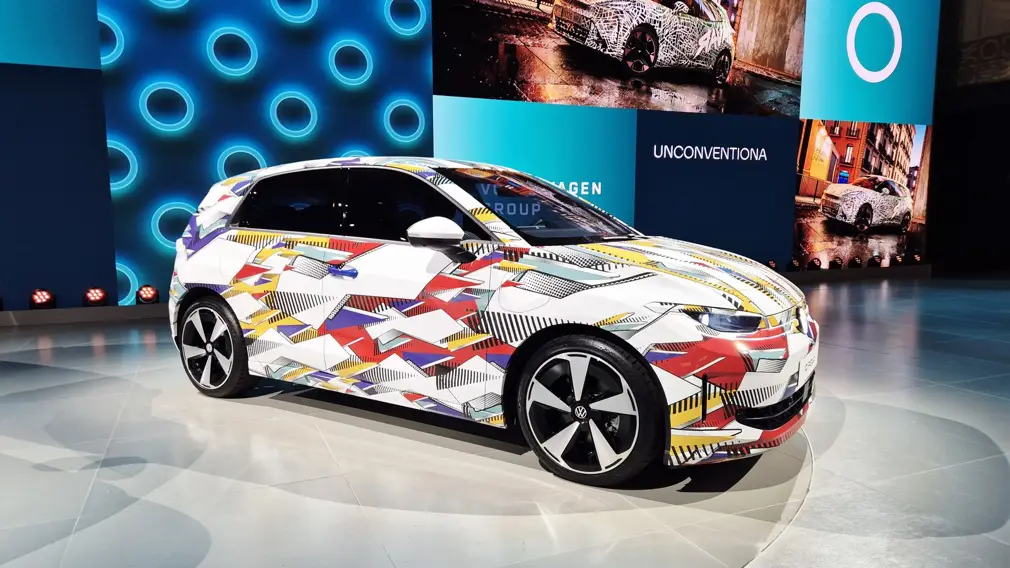
Eighth is the Volkswagen ID.Polo, the electric pivot of a name that for decades defined the straightforward German hatch. Expect 37 or 52 kWh battery choices and multiple power levels, all on the latest evolution of the MEB+ platform. Purists will watch how it balances simplicity with software-heavy underpinnings.
Seventh is the Porsche 718. The twist is that the family won’t go fully electric: a parallel lineup is expected, with some versions as EVs, while the GTS/RS flagships keep the flat-six engine. It’s a compromise between regulations and tradition that should steady the nerves of long-time fans.
Sixth place belongs to the new Mercedes C-Class on the Mercedes-Benz Electric Architecture. Key expectations include an 800‑volt system, packaging optimized for batteries, and, at the same time, the continued availability of ICE in the range. The premiere is slated for the second half of 2026—a pragmatic hedge rather than a hard break.
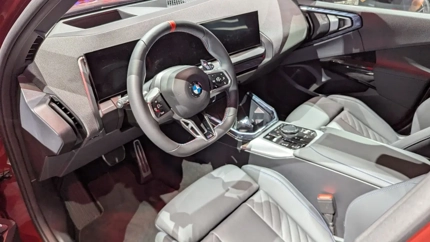
Fifth is the next-generation BMW i3, no longer merely an electric 3 Series but a standalone model in the Vision Neue Klasse vein. It promises 800‑volt tech and sixth‑generation motors, while the gasoline 3 Series carries on alongside. That clear split should sharpen identities across the lineup.
Fourth goes to the Smart #2: a return to the compact two-seat format, now as a pure EV, with production in China under the partnership with Geely. Back to its roots, albeit with a different passport.
Third is the Renault Twingo, banking on nostalgia and a price below €20,000. Mentions include an electric motor of around 82 hp and a 27.5 kWh LFP battery, with the start penciled in for the first weeks of 2026. An idea that feels right for urban Europe today.
Second place is the first electric Ferrari. Talk centers on an 880‑volt architecture, four electric motors, and painstaking work on sound and “feel” so the brand’s DNA remains intact. The tightrope is obvious: emotion must lead, numbers follow.
Top spot goes not to a single car but to the Fiat Panda “family”: a larger SUV about 4.4 meters long and a Fastback. Built on the Smart Car platform with electric, mild-hybrid, and ICE options, it’s aiming for a launch toward the end of 2026. A broad‑tent approach that suits Panda’s mass‑market brief.