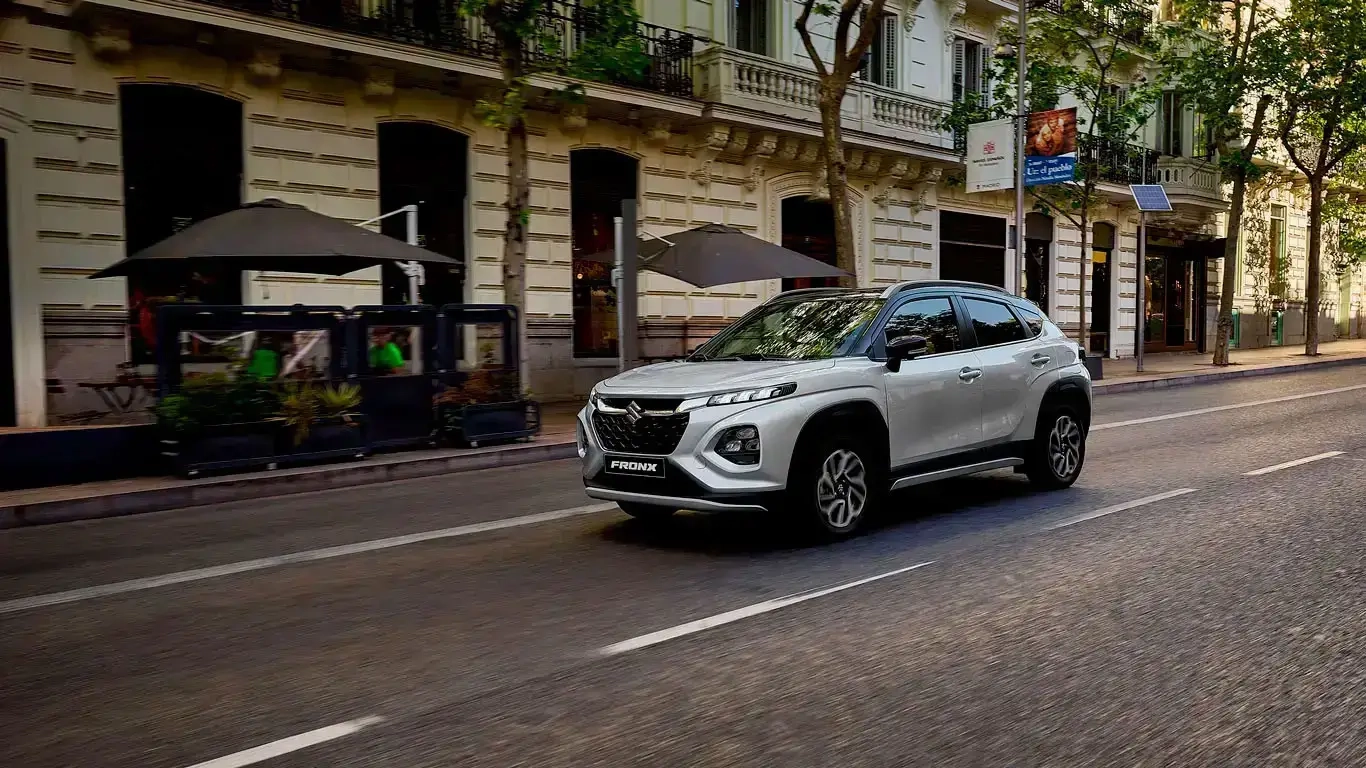

Sales of the compact Suzuki Fronx crossover have been officially halted in Australia after a deeply disappointing crash test. According to the independent Australasian New Car Assessment Program (ANCAP), the model earned just one out of five stars, revealing serious shortcomings in protecting the driver and passengers in a collision. In a segment where safety scores often sway buying decisions, such a verdict is hard to ignore.
ANCAP attributed the result primarily to a malfunction involving the rear seatbelt. During testing, a rear belt buckle failed, causing the dummy to strike its head on the front seatback. That incident significantly heightened the risk of severe injury for occupants in the back. Failures like this in controlled conditions tend to overshadow any other strengths a new model might offer.
Child-occupant protection was another weak spot. The assessment returned a bleak figure—around 40% of the possible score—described as Suzuki’s worst result in several years. Even allowing for the rigor of modern protocols, a number that low sits far from what buyers expect today.
Experts strongly advised owners of already-delivered Fronx vehicles to refrain, for now, from carrying children or adult passengers in the rear seats until the circumstances are fully understood and measures to improve safety are in place. It’s pragmatic guidance: confidence in rear-occupant protection will have to be rebuilt with evidence, not assurances.
Company leadership made the call to stop sales on December 20. For the moment, the Fronx remains off the market until Suzuki addresses the deficiencies and brings the vehicle into line with the quality and safety standards set by regulators. The pause puts the focus on the remedy—and on how swiftly the brand can validate it.