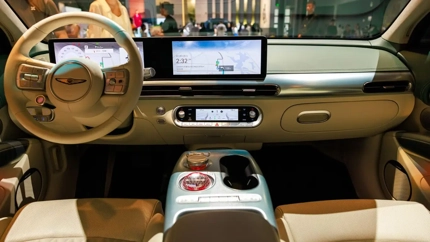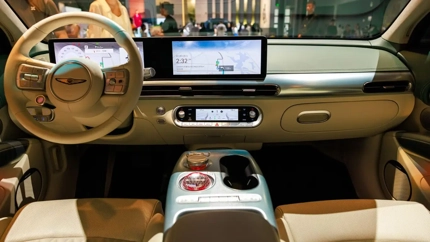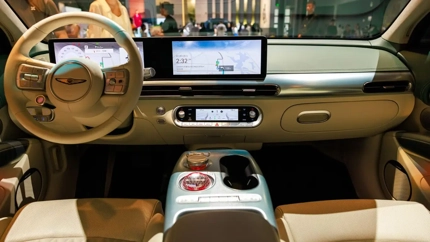

A car’s color can influence how quickly other road users notice it, and that shows up in crash statistics. The key variable is contrast with the road environment, which shifts with lighting, weather, and surroundings.
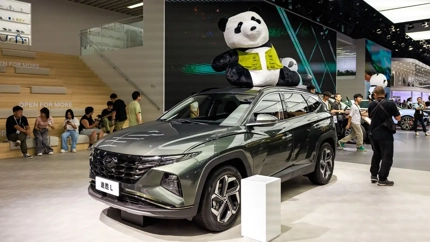
Darker paints—black, navy, dark green, graphite—tend to blend into asphalt, building shadows, and the night backdrop. Studies indicate these vehicles are involved in crashes more often because they’re harder to pick out at a distance, especially during lane changes and turns.
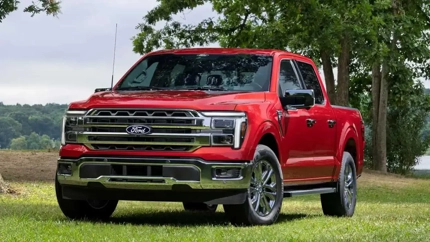
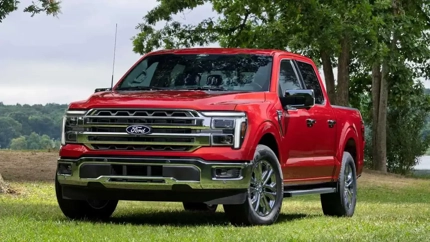
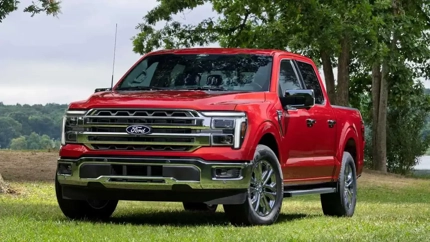
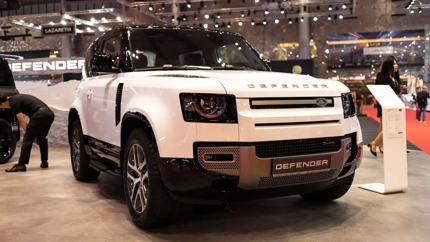
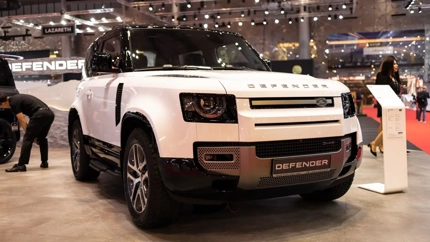
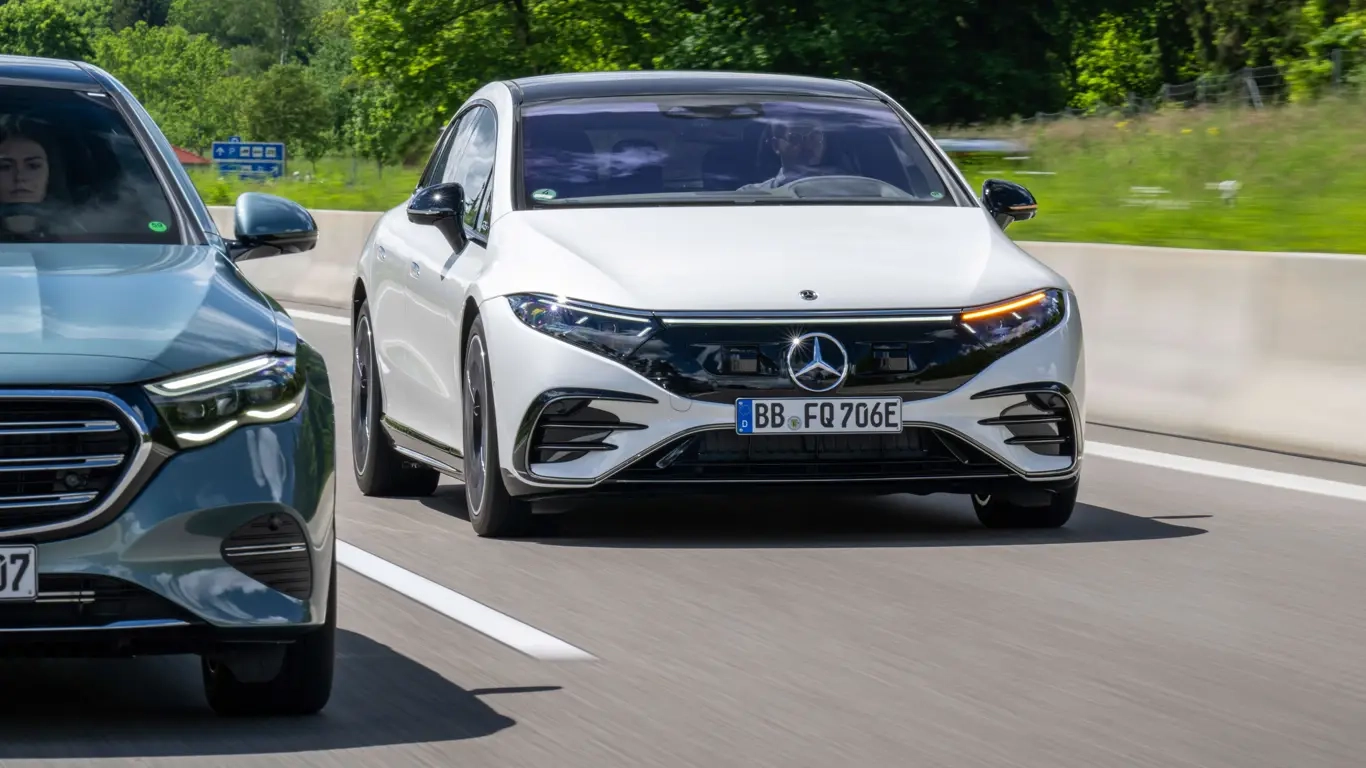
Lighter shades—white, silver, beige—reflect more light and remain easier to distinguish both day and night. Bright hues such as yellow, orange, and red grab attention faster and create stronger visual contrast in city traffic and on open roads alike.
Weather amplifies the effect. In rain and fog, dark cars recede even further from view, while gray and silver can merge with a dull sky and a wet roadway. Poor lighting and dense urban development also chip away at visibility.
Experts emphasize that body color isn’t a decisive safety factor. Crash risk is shaped far more by driver behavior, the vehicle’s condition, and the presence of assistance systems. In practice, choosing a higher-contrast color can offer a small, pragmatic edge—particularly if night driving or foul weather is routine—but the real difference still comes from attentive driving and a car that’s in proper technical shape, rather than the paint on its panels.