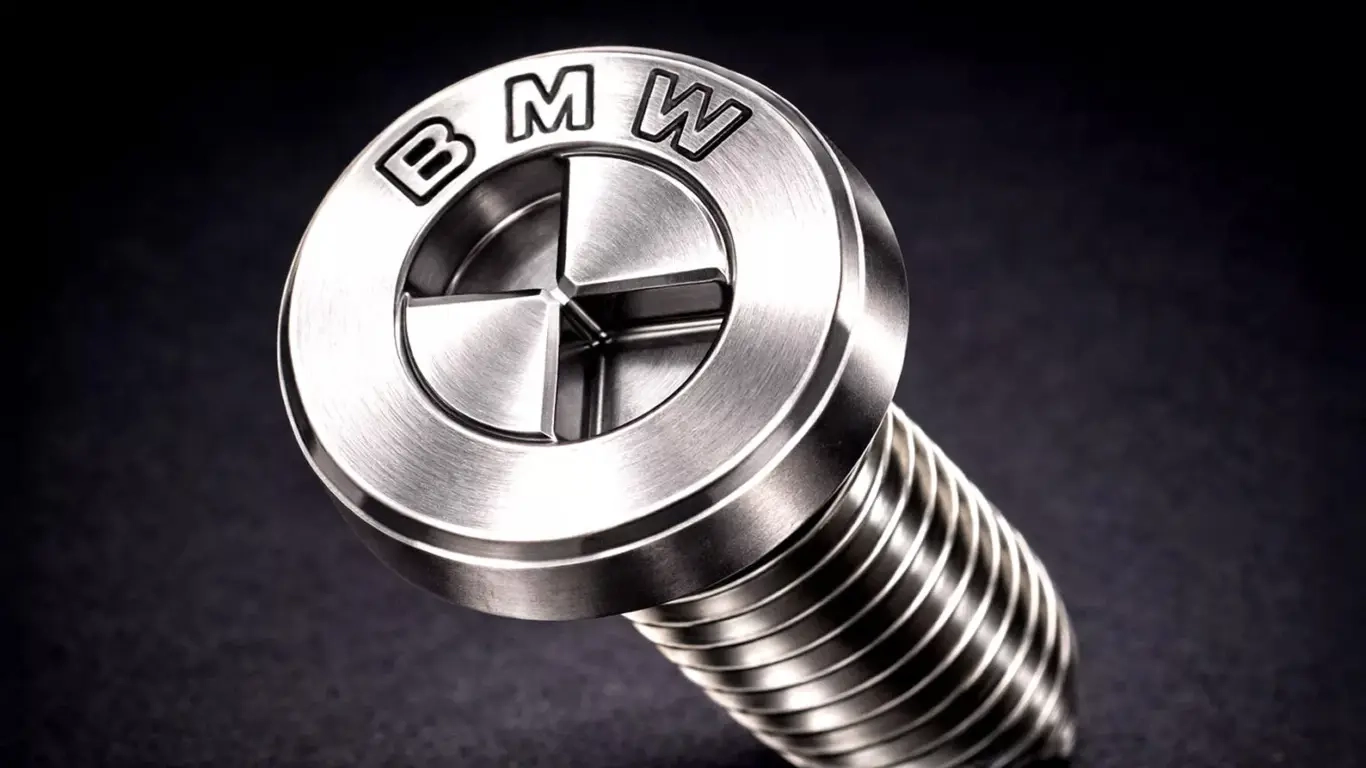

BMW has patented an unusual fastener that could make servicing outside the official network more complicated. We’re talking about screws with a head shaped like the brand’s emblem: a circle divided into four segments. The patent filing outlines several versions, including an internal drive and either flat or rounded heads. In some designs, certain quadrants are recessed while others are raised, making the profile tougher for a standard bit to grip.
The idea is straightforward: this hardware calls for a dedicated tool that won’t be found in a typical garage set. If it reaches production cars, even limited use could make some tasks less accessible for independent shops and owners accustomed to doing their own maintenance. The patent does not specify where these fasteners might appear; possibilities range from the cabin and engine bay to exterior panels.
The news has already caused friction in the community. Many interpret it as an effort to bind customers more tightly to dealers and proprietary equipment, which clashes with the growing push for repairability and the right-to-repair debates that regulators in various countries have been energizing in recent years. Others suggest the impact could prove softer in reality: compatible bits tend to appear quickly, and the screws themselves may remain uncommon. In practice, special-head hardware rarely deters determined technicians for long, yet the signal behind such a move can speak louder than the metal—hinting at a tighter hold on who gets to turn the wrench.