
Eight years on, a U.S. federal court is still weighing a case against General Motors over a potential air-conditioning defect in its full-size pickups and SUVs. The lawsuit covers 2014–2017 Chevrolet Silverado 1500 and GMC Sierra 1500 models, as well as 2015–2017 Chevrolet Tahoe, Suburban, GMC Yukon, and Cadillac Escalade vehicles.
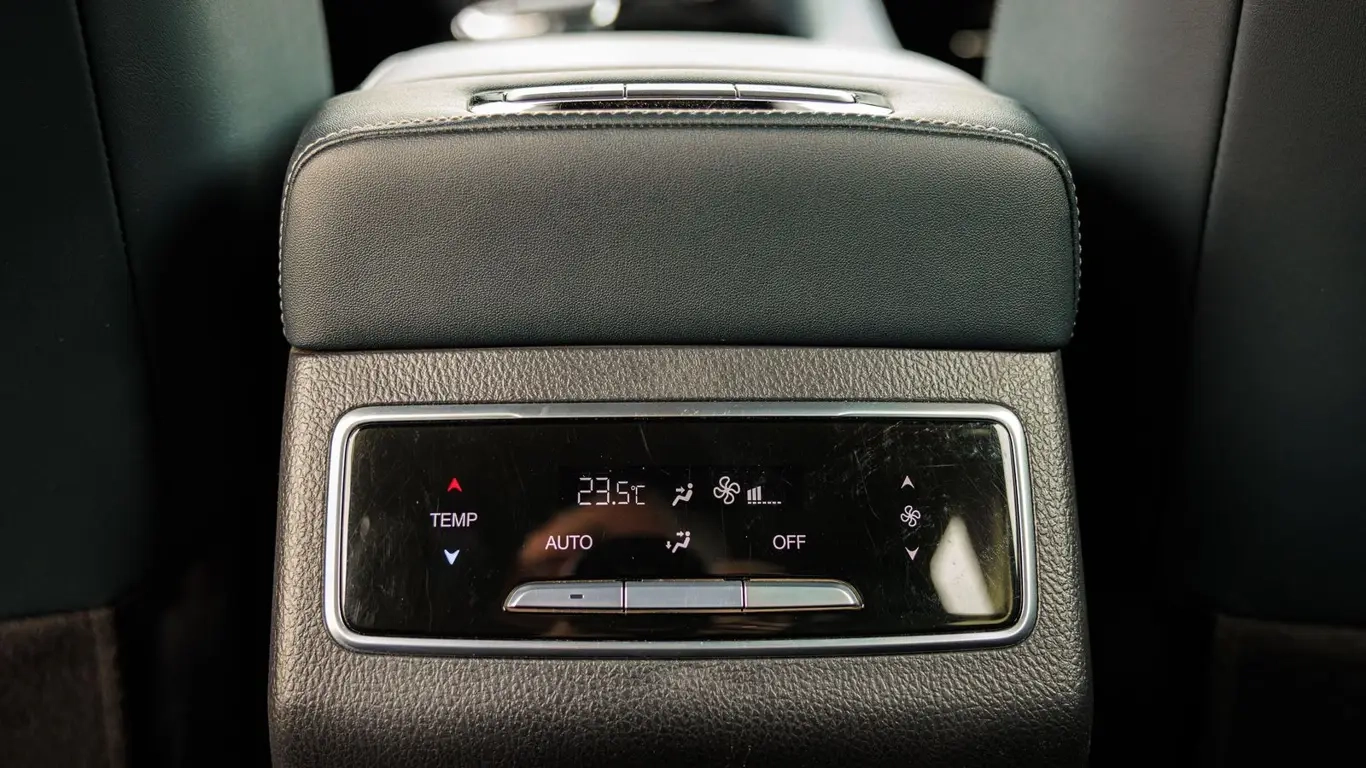
Plaintiffs argue the vehicles used a problematic cooling layout in which the A/C condenser was combined with the transmission oil cooler. According to owners, sharp temperature swings subjected the unit to thermal stress, leading to cracks, refrigerant leaks, and a cabin that no longer cools. The failure mode, as described, sounds technically plausible: a paired heat exchanger has little margin for sudden thermal spikes.
Earlier complaints also mentioned weak lines and condensers that could lose their seal. Owners say GM knew about the issue early in the decade but kept the disputed setup, leaving buyers with repair bills running into the thousands of dollars. They also emphasize safety, noting that fogged windows and excessive cabin heat can get in the way of confident control; when the A/C dies in a big truck or SUV, it stops being just a comfort issue.
Over time, the case has narrowed: plaintiffs are now seeking class certification in just five states, including California and Florida. GM maintains the problems were isolated and says many vehicles were repaired at no charge. The company’s position casts it as a limited defect, while the class push shows owners still want a broader remedy.