
EV costs vs gasoline: why fast charging can erase savings
EV running costs can match gas, especially with fast charging
EV costs vs gasoline: why fast charging can erase savings
A new analysis finds electric vehicle running costs can rival gasoline, especially with fast charging. Savings depend on location and access to home charging.
2025-12-26T12:21:48+03:00
Researchers concluded that the running costs of many modern electric cars can match—or even exceed—the price of gasoline for a comparable gasoline vehicle. The contrast becomes especially clear in commercial use.For example, pickup owners who rely on their trucks primarily for work often have to charge regularly away from home. Tariffs at commercial fast-charging stations are much higher than at home and can at times rival the cost of conventional fuel. Under intensive use, that pricey electricity becomes the main driver of higher expenses for EV owners.The study also highlights a key pattern: how cost-effective an electric vehicle is depends greatly on where the driver lives and on the type of energy source used. Owners in regions with low electricity prices and access to home charging can indeed save significant sums.The analysis does not account for factors such as maintenance and other ownership expenses, but it shows that while many claim EVs are cheaper to maintain than internal-combustion cars, that isn’t always the case. It’s a reminder that the economics of an EV hinge less on the badge and more on where—and how—you charge.

electric vehicles, EV running costs, fast charging prices, gasoline comparison, commercial use, home charging, electricity tariffs, regional differences, maintenance costs, pickup trucks, TCO
2025
David Carter
news
EV running costs can match gas, especially with fast charging
tarantas.news
David Carter, Editor
12:21 26-12-2025
A new analysis finds electric vehicle running costs can rival gasoline, especially with fast charging. Savings depend on location and access to home charging.
Researchers concluded that the running costs of many modern electric cars can match—or even exceed—the price of gasoline for a comparable gasoline vehicle. The contrast becomes especially clear in commercial use.
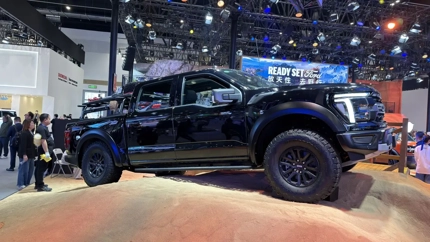
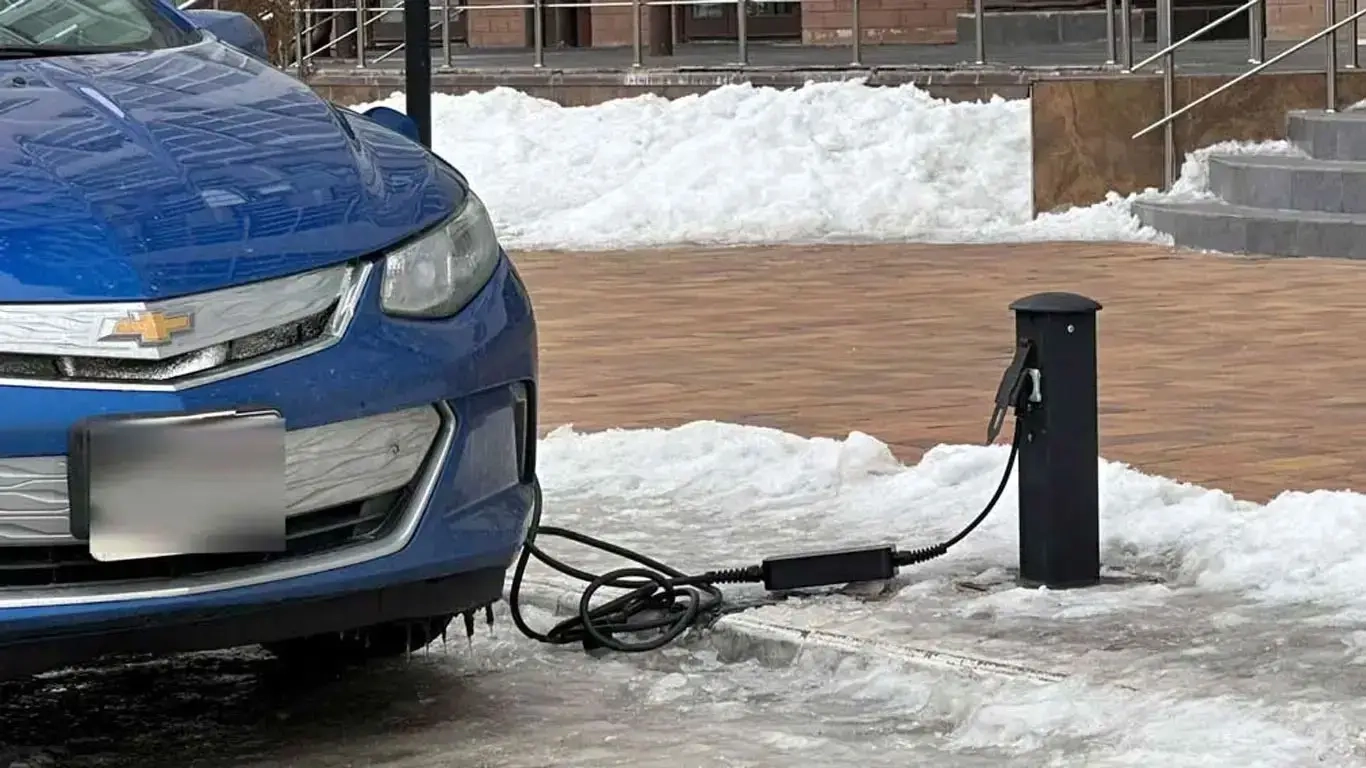
For example, pickup owners who rely on their trucks primarily for work often have to charge regularly away from home. Tariffs at commercial fast-charging stations are much higher than at home and can at times rival the cost of conventional fuel. Under intensive use, that pricey electricity becomes the main driver of higher expenses for EV owners.
The study also highlights a key pattern: how cost-effective an electric vehicle is depends greatly on where the driver lives and on the type of energy source used. Owners in regions with low electricity prices and access to home charging can indeed save significant sums.
The analysis does not account for factors such as maintenance and other ownership expenses, but it shows that while many claim EVs are cheaper to maintain than internal-combustion cars, that isn’t always the case. It’s a reminder that the economics of an EV hinge less on the badge and more on where—and how—you charge.