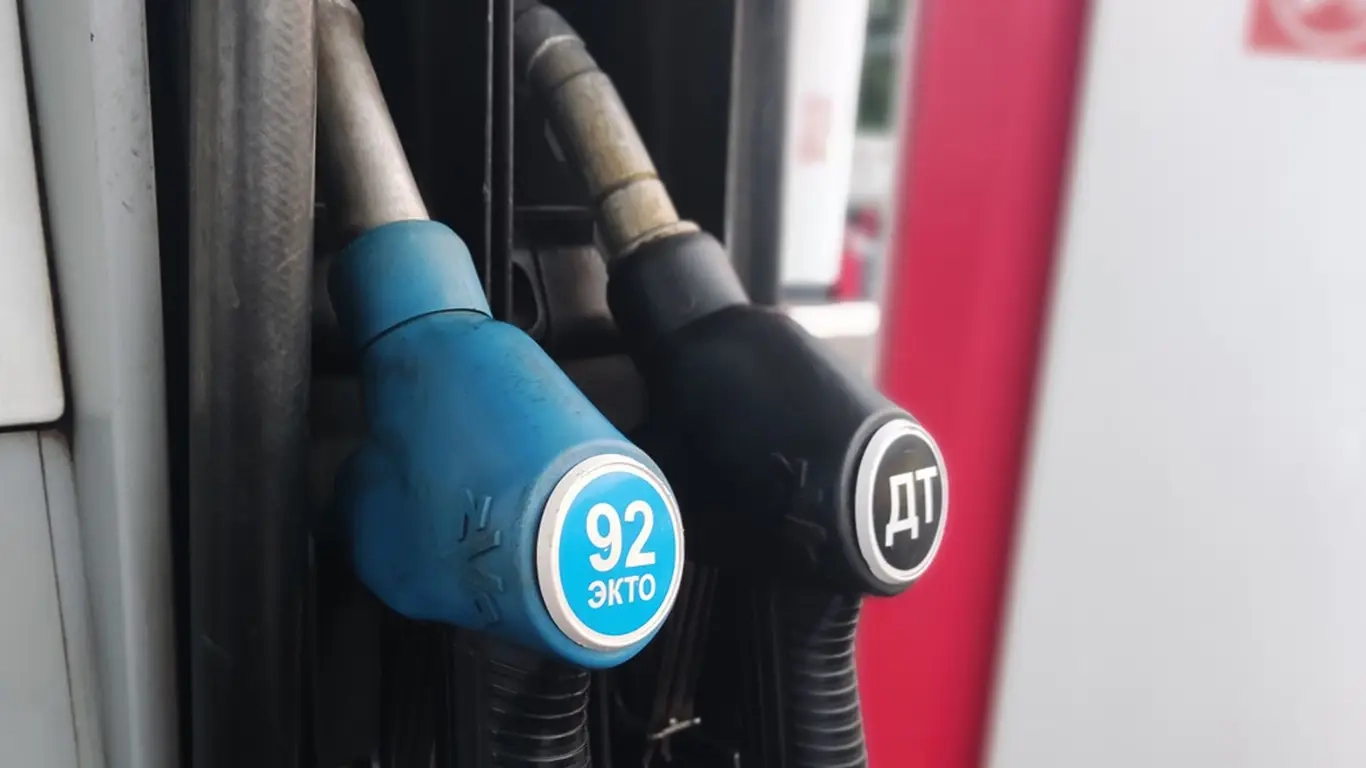

It’s easier to slip up at the pump than it seems: an unfamiliar car, a rental, a rush—and diesel ends up in a gasoline tank. The key advice from Tarantas News experts is decidedly practical: don’t try to start the engine. As long as you haven’t turned the key, the diesel stays in the tank, and the chances of getting away with minimal consequences are much higher. In practice, that single decision is often the line between a minor hassle and a repair marathon.
The problem is rooted in the fuel’s properties. Diesel is thicker than gasoline, and once the engine is cranked it quickly moves into the lines and injectors designed for a thinner fuel. That can trigger blockages, erratic injector behavior, and extra load on the pump.
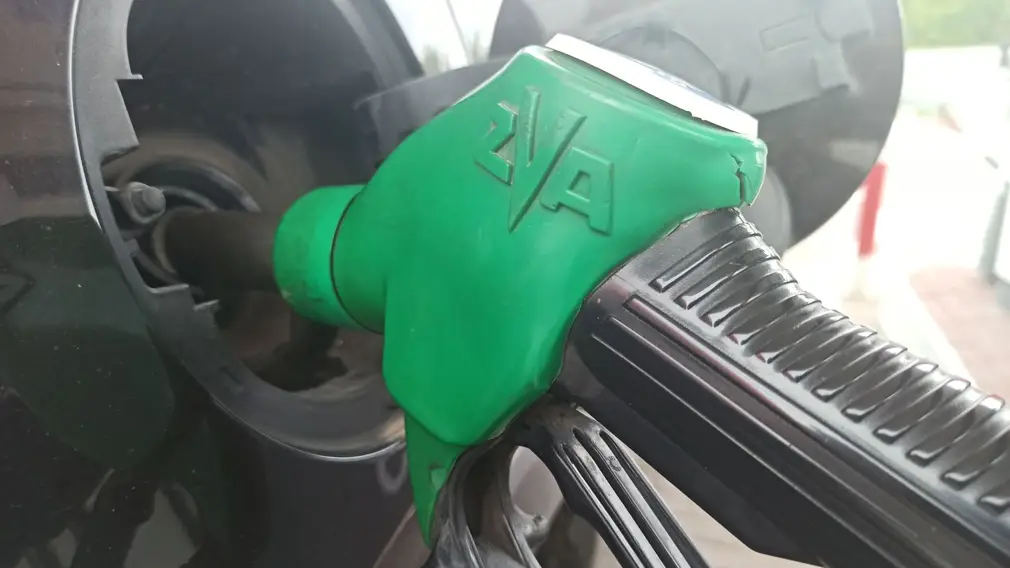
If the engine does catch, the consequences can run deeper: spark plugs can suffer, and the catalytic converter risks damage due to improper combustion and the makeup of the exhaust. In the worst scenario, the job list stretches from flushing to replacing the injectors, pump, and filter—and sometimes the catalyst itself.
If you spot the mistake immediately and don’t start the car, the usual course is evacuation and a fuel drain. You’ll pay for towing and a tank drain/flush, after which the correct gasoline is added. If the engine has already been started, beyond draining you may need replacement of fuel-system components and costly exhaust parts—which is why turning the key so often turns a small mishap into a large bill.
To keep it from happening again, remember a couple of cues: diesel smells closer to kerosene, and its nozzle is typically thicker and tends to seat with difficulty. If anything at the pump feels off, stop refueling and double-check what’s going into the tank.