
South Korean battery-materials producer L&F said the value of its 2023 agreement with Tesla was reduced in its disclosures to $7,386 from a previously expected $2.9 billion. The company did not detail why the recalculation was so sharp, but the market swiftly linked the shift to Tesla’s battery program. The swing itself reads as a pointed signal of changing priorities upstream.
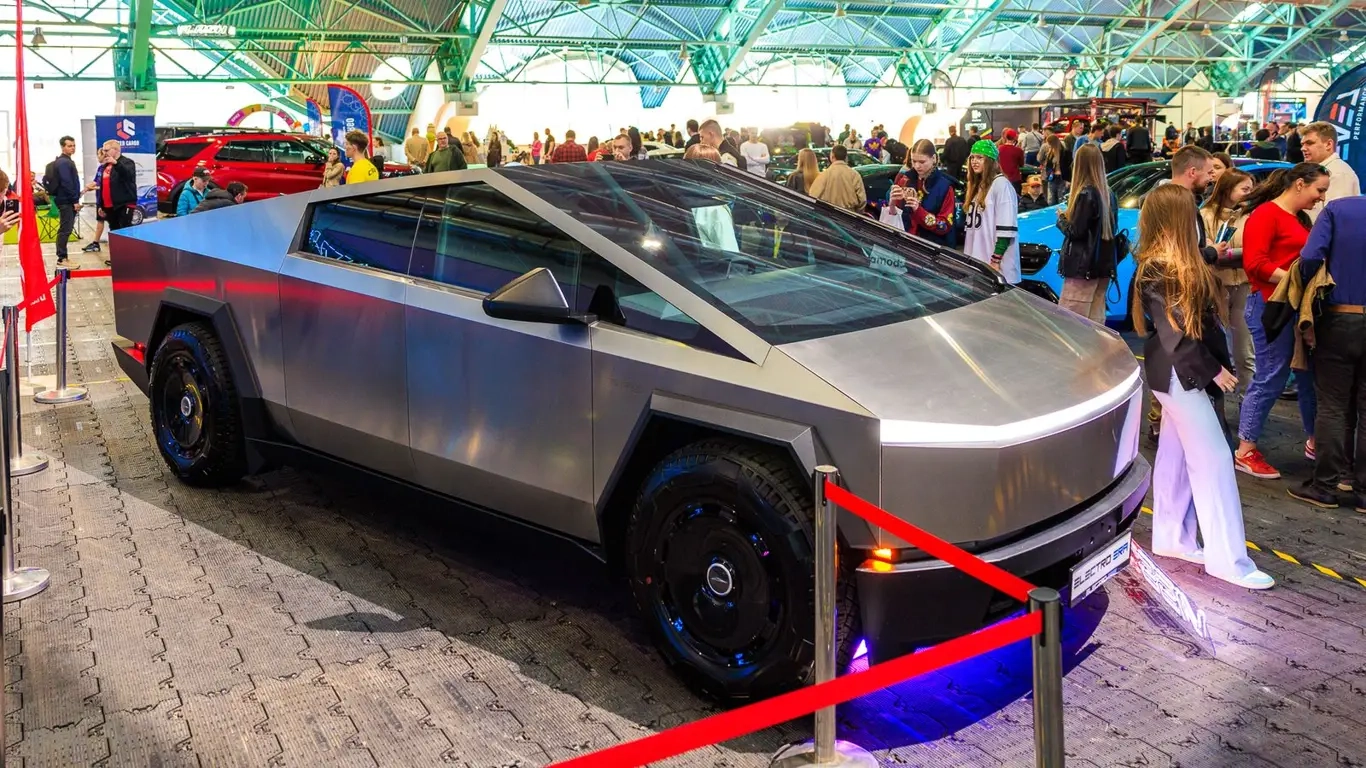
The contract had originally covered supplies of high-nickel cathode materials in 2024–2025 for Tesla and affiliated entities. Sources and analysts indicated it could involve feedstock for Tesla’s in-house 4680-format cells. Yet electric-vehicle demand has been growing more slowly than anticipated, and scaling the 4680 platform has proved tougher: constrained output, yield concerns, and difficulties with the dry-electrode process have all reduced the immediate need for materials. Another signpost has been weaker Cybertruck sales, a model that uses 4680 batteries.
Amid policy crosswinds and uncertain demand, South Korea’s battery sector is under pressure: suppliers report canceled orders and revised collaborations, while automakers are adjusting plans for cleaner-vehicle production. For an industry built on long lead times, this kind of reset underscores how sensitive today’s supply chains are to shifts in technology execution and market appetite.