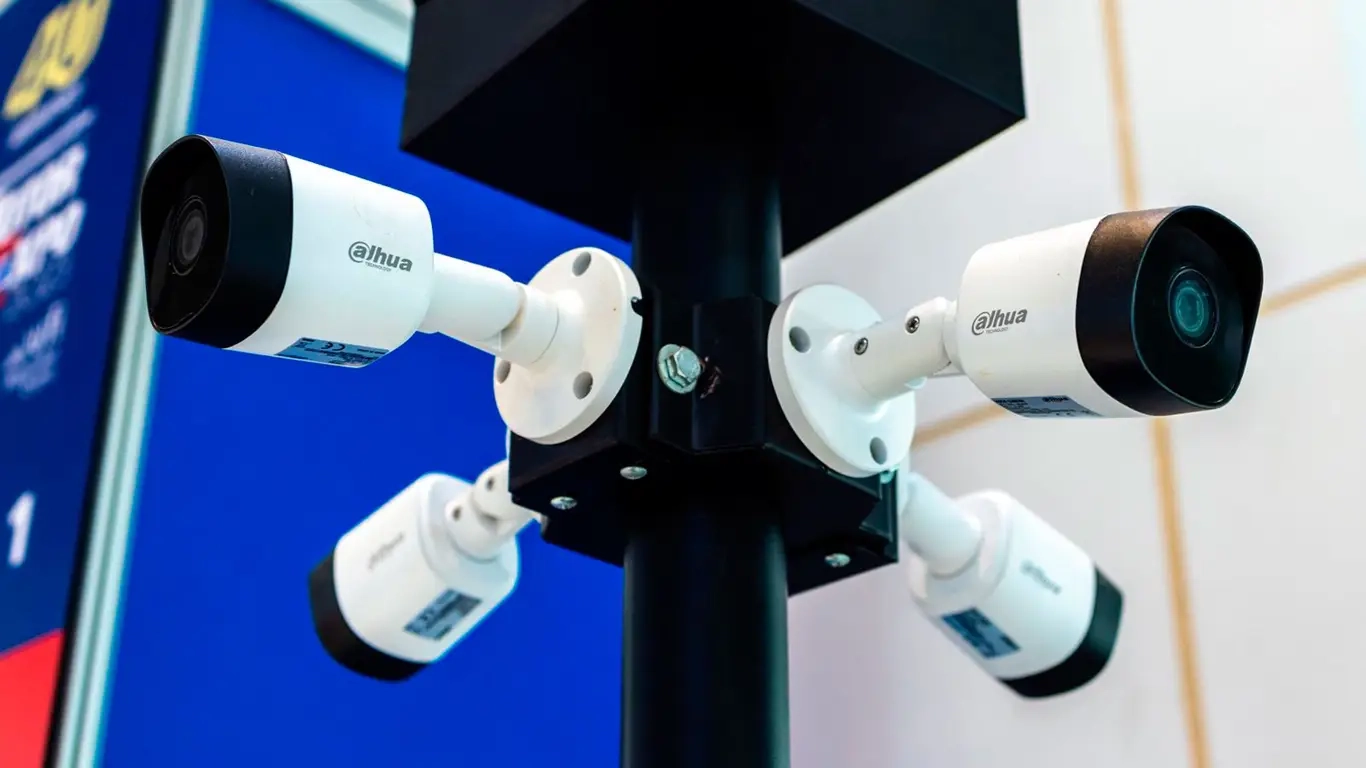

California authorities have approved a package of new laws set to take effect on January 1, 2026, reshaping rules for motorists and users of electric transport. Among the headline measures is a Caltrans pilot program that will deploy radar and lidar cameras in road work zones.
These systems will automatically detect speeding, capture a vehicle’s license plate, and send a citation to the owner. Processes for verification and appeal are part of the rollout. Caltrans will also be allowed to temporarily lower highway speed limits by 8 km/h, with warnings issued during the first 30 days. The intent is straightforward: safety in active road work zones takes priority over pace.
School zones are in line for tighter control as well. Local authorities will be able to reduce the speed limit from 40 to 30 km/h, and after 2031 that limit will apply automatically wherever signs are posted. This kind of clarity should make limits easier to follow—and to enforce.
The move-over-or-slow-down rule is expanding, too. Drivers will have to either reduce speed or change lanes not only near emergency responders, but also when approaching any stopped vehicle with hazard lights on, including roadway service vehicles. It’s a practical step that widens the safety buffer for crews and stranded motorists.
Several changes target electric transport. Starting in 2026, e-bikes must have a red rear reflector or light at all times. Police will be allowed to impound certain high-speed e-bikes for at least 48 hours. In addition, all lithium‑ion batteries and devices must meet certified safety standards. For a fast-growing segment, these requirements bring a measure of order without complicating everyday use.
There are new rules for autonomous vehicles as well: by mid-2026, they must be equipped with a two-way communication system for emergency services. Taken together, these measures set the operating ground rules for 2026 vehicles in one of the largest auto markets in the United States, signaling a clear swing toward smarter enforcement and more predictable safety infrastructure.