
Using soft drinks to clean car battery terminals remains a popular myth, but experts discourage the practice. Despite their acidity, sugary beverages leave a sticky residue that can invite short circuits, harm rubber components, and trap grime under the hood. In practice, it’s a shortcut that tends to cause more trouble than it solves.
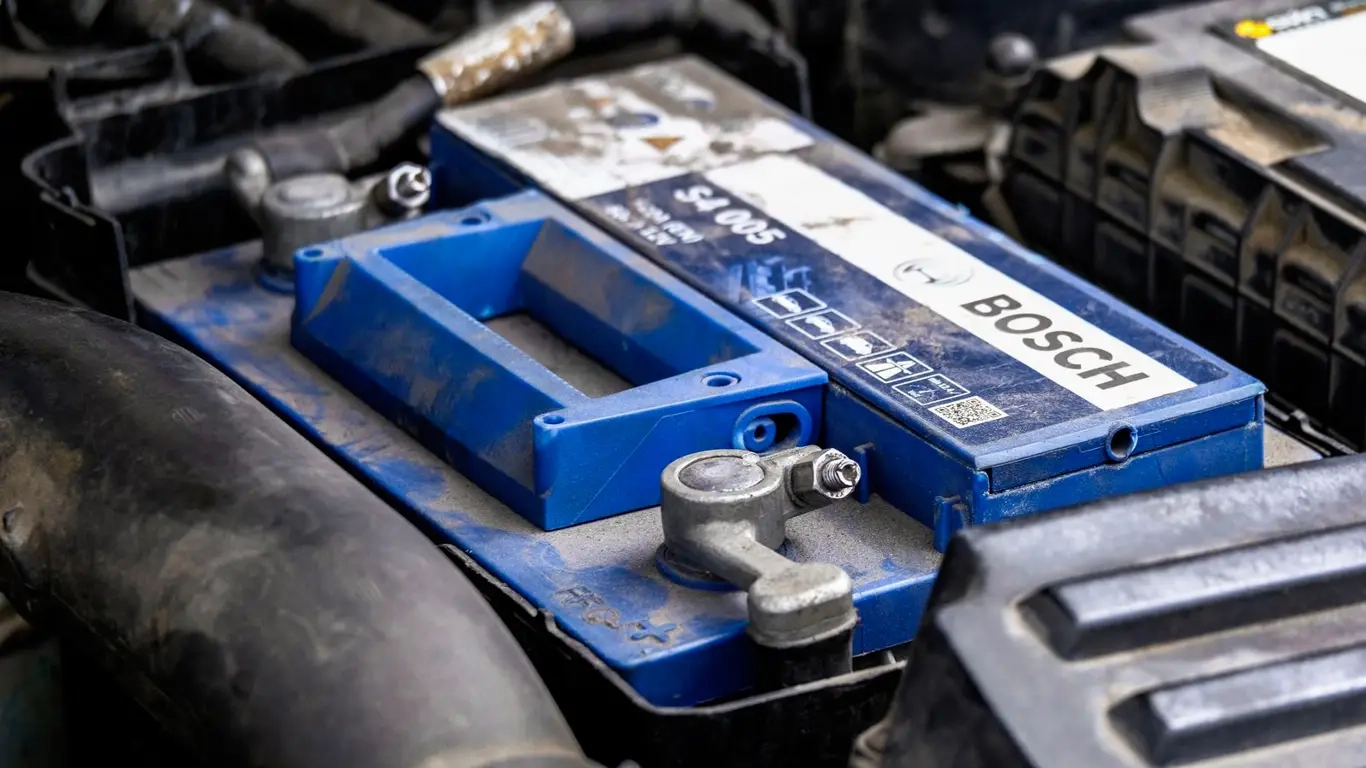
Terminal corrosion is a byproduct of how a lead-acid battery works. During discharge and charging, hydrogen is released and reacts with metals, leaving white, green, or bluish deposits. Heat, humid weather, extended battery age, and power-hungry accessories make the buildup worse.
Corrosion doesn’t automatically mean the battery is failing, but ignoring it can impede charging and make the engine harder to start. Regular checks of the battery’s condition are therefore worth the effort, particularly once it’s more than two years old. A bit of attention here often spares the headaches later.
The safest way to clean is a paste of water and baking soda. Disconnect the negative terminal first, then the positive. Apply the mixture to the affected areas and gently scrub with a brush. Rinse with distilled water, dry, and reconnect the terminals. Lemon juice, vinegar, or purpose-made battery-cleaning aerosols can serve as alternatives, and unlike soda, they don’t leave a sugary film behind.