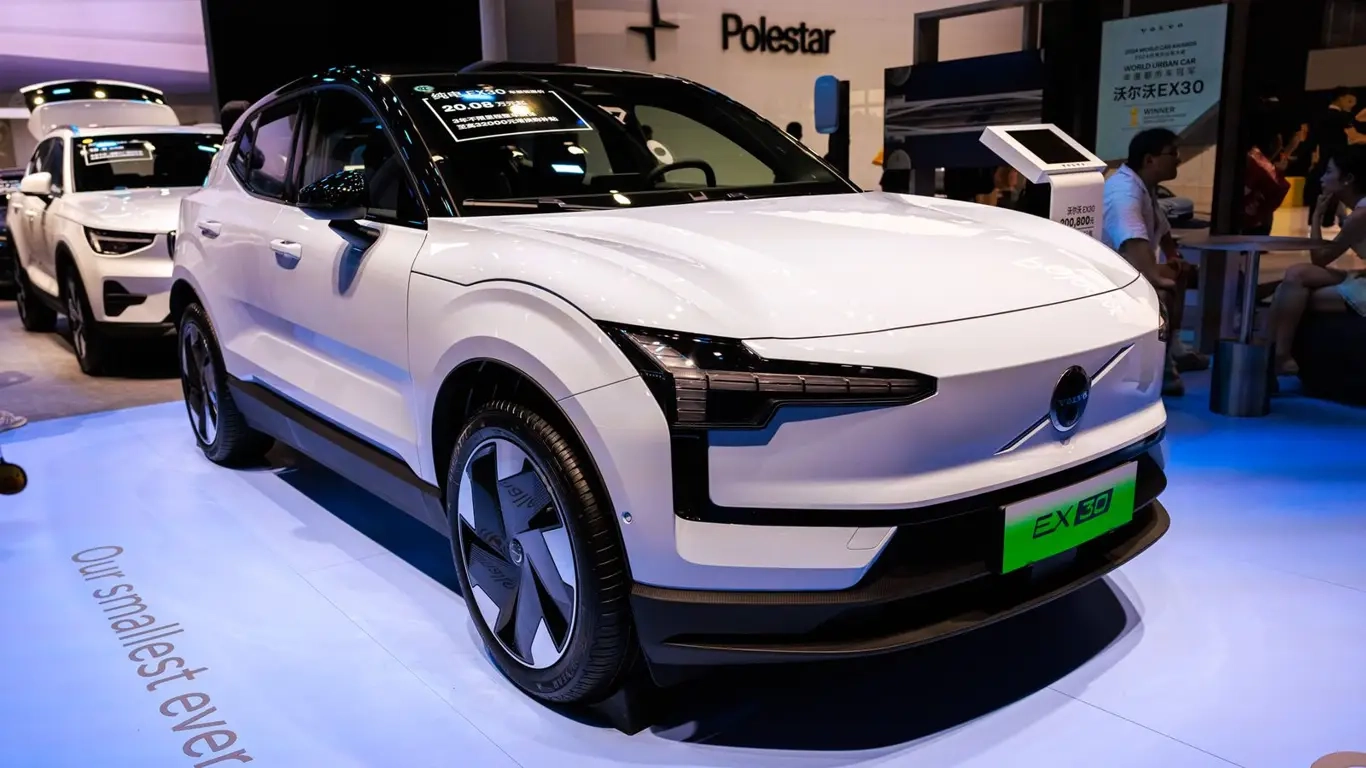

The Volvo EX30, one of the brand’s newest electric models, has been brought into a precautionary campaign in the UK. According to the automaker, a small number of cars in the Single Motor Extended Range and Twin Motor Performance versions with the NMC battery are set to undergo checks due to a potential high-voltage battery risk. The issue has been traced to a specific cell supplier used in certain 2024–2026 model-year vehicles.
The scenario is described as rare and dependent on specific conditions: in theory, a single cell could overheat. In a worst case, that could lead to a battery fire, which is why Volvo emphasizes the preventative nature and limited scope of the action. If overheating begins, the car is expected to notify the driver via a dashboard message, yet the brand has opted to act early rather than wait—an intentionally cautious, measured stance for a low-probability fault.
While a final technical solution is being prepared together with the relevant authorities, owners of potentially affected EX30s are receiving email notifications. The interim advice is straightforward: limit the maximum state of charge to 70%. This cap reduces thermal stress on the battery cells and lowers the chance of an unfavorable development until dealers can apply a fix—a familiar, sensible playbook for battery management.
Importantly, this is not a global recall: decisions will be made country by country, depending on which batches and components reached each market. The targeted approach points to specific supply lots rather than a blanket action.