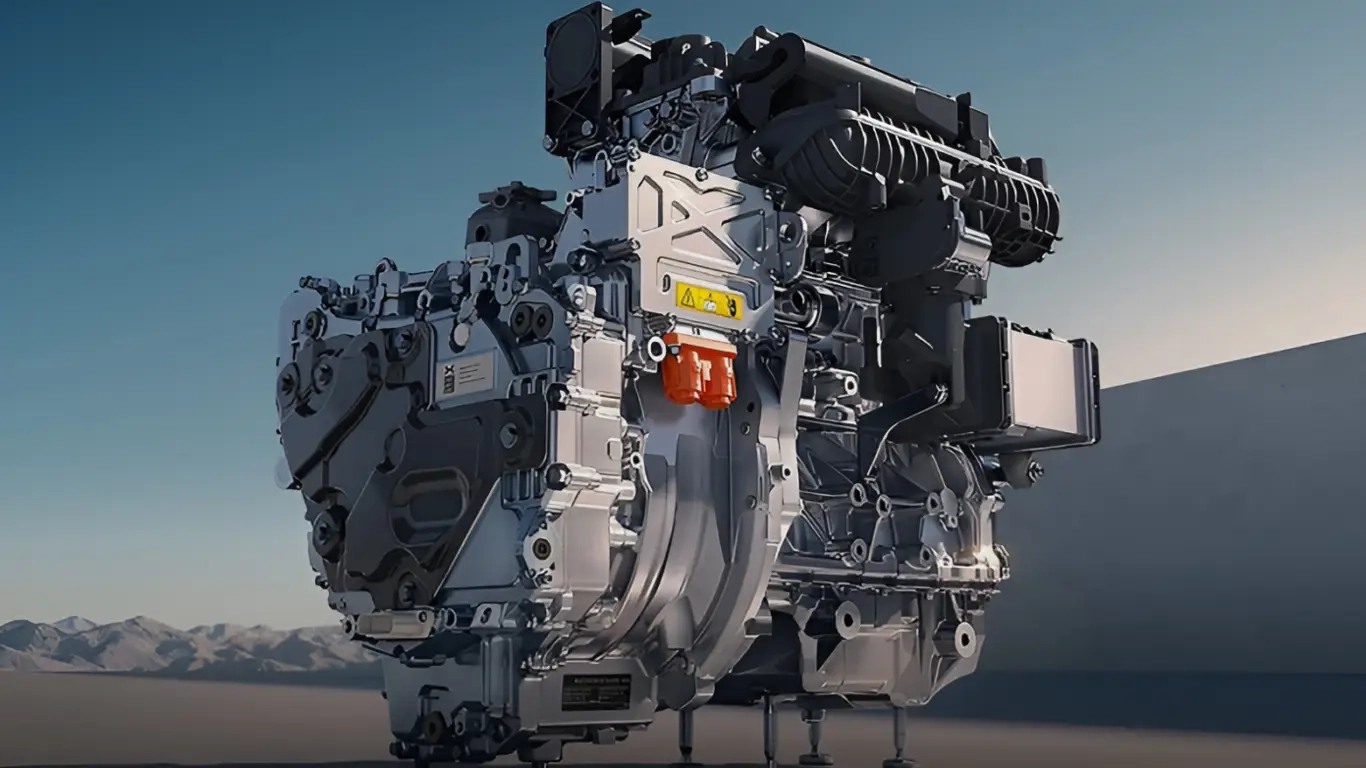

Xpeng has shared more about the G7 EREV and zeroed in on what often frustrates drivers of range-extender cars: the noise and vibration when the generator cuts in. The company says the G7 EREV combines electronic noise suppression with AI control of the powertrain. All versions come standard with ENC and RNC: the former targets sounds from the car’s own hardware, including the motor-generator, while the latter counters road roar from tires and pavement. Together with AI algorithms, this setup is meant to smooth the handoff between pure electric driving and charging mode, and in certain conditions trim range-extender vibrations by up to 50%.
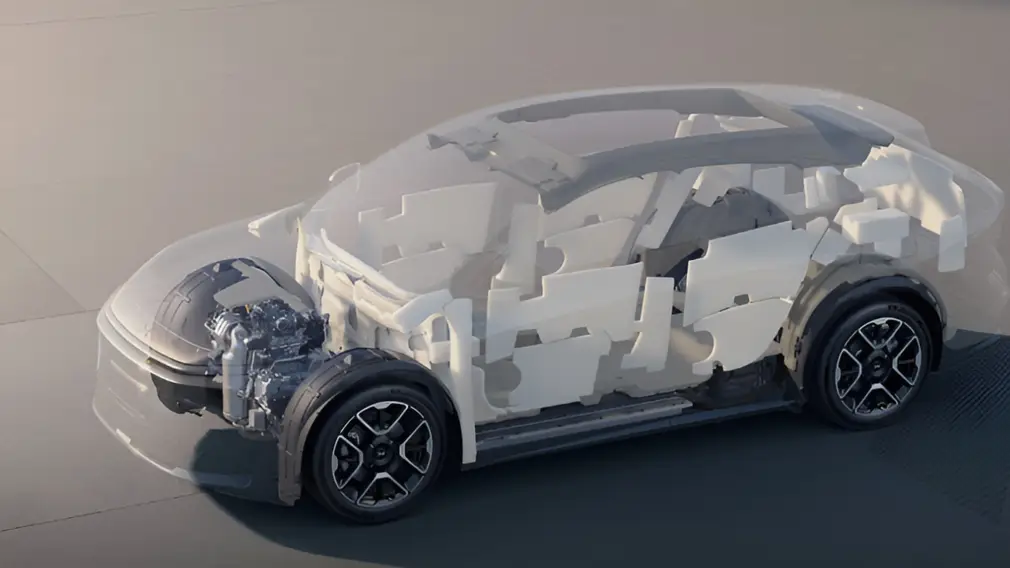
Beyond software, there is hardware to back it up: more than 90% of key body and cabin areas are lined with sound-absorbing materials. The range-extender module itself has been mechanically refined; according to the brand, its own noise level is roughly 10% lower than typical industry solutions. AI energy management is also said to keep the generator in “quiet” operating windows so it comes on as unobtrusively as possible.
On the spec sheet, the numbers read well: a 55.8 kWh battery and a 60-liter tank for 92 RON gasoline yield a claimed combined range of up to 1,704 km, with up to 430 km promised in pure EV mode.
Regulatory data for the EREV version list a 218 kW peak electric motor and a certified electric-only range of 325 km. Dimensions are 4,918 mm long, 1,925 mm wide and 1,655 mm tall, with a 2,890 mm wheelbase; the EREV is 26 mm longer than the battery model all else equal. The launch is scheduled for January 8, 2026 in China and January 9 in Europe. Prices for the EREV are not yet announced, while the BEV G7 in China is priced between 195,800 and 225,800 yuan.