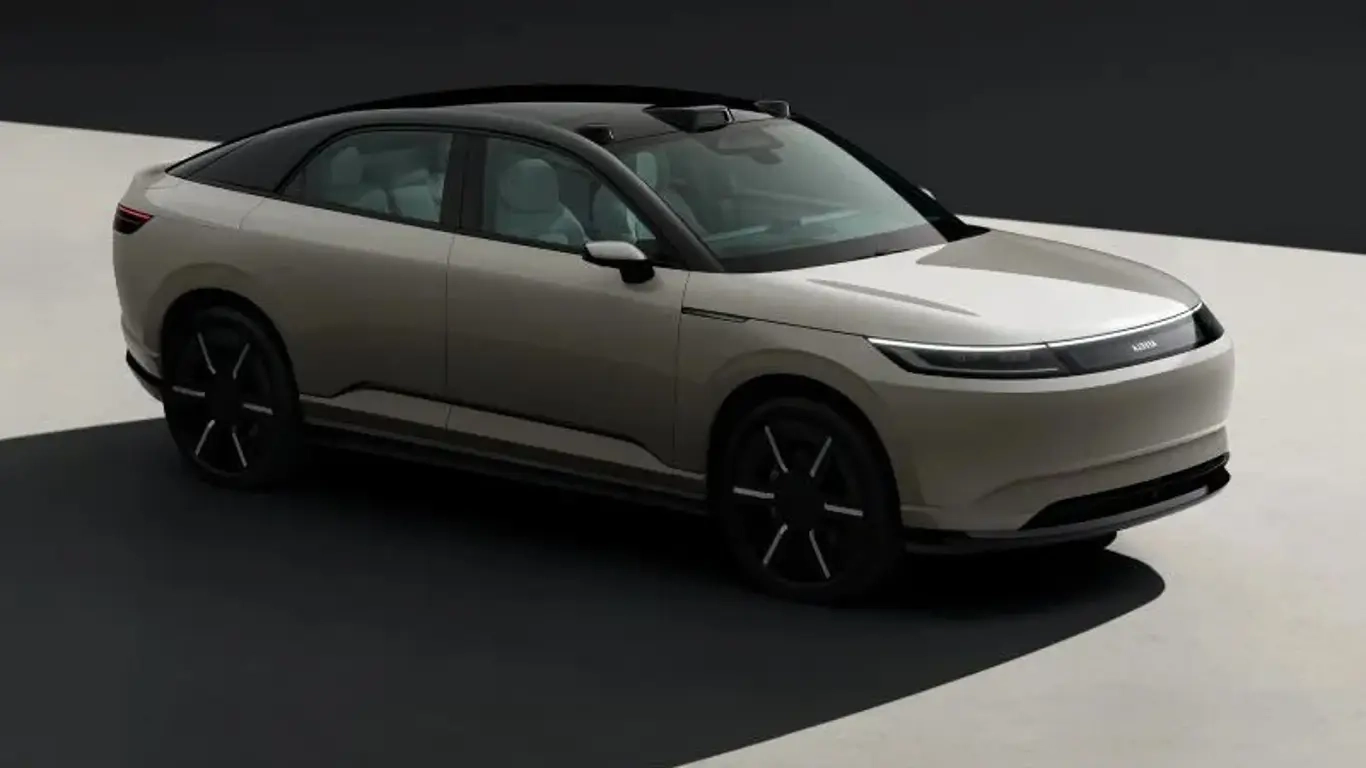

At CES 2026, Sony and Honda finally moved Afeela from a perpetual-prototype state to a real product. After a string of Vision-S showings and the creation of the Sony Honda Mobility joint venture in 2022, the partners confirmed that Afeela 1 will reach the United States by the end of 2026, starting in California, with Arizona and Japan to follow in 2027. At the same time, they unveiled a second model—the Afeela Prototype 2026—with a more sloping silhouette and increased ground clearance; a U.S.-bound production version is promised for 2028, according to journalists at 32CARS.RU.
The tech strategy is straightforward: the platform will rely on Qualcomm components, while Sony takes charge of cameras and imaging sensors for driver-assistance features. For now, the system is rated at L2+, but the ambition is to reach L4, where human involvement is only occasional. It’s an ambitious climb, yet the split in responsibilities plays neatly to each brand’s strengths.
Inside, the headline act is the software experience. SHM is developing a personal assistant built on OpenAI’s work and Microsoft Azure, and it plans to open its platform to third-party developers. There’s also a mobility-services angle with cryptocurrency rewards. Taken together, the approach points to an ecosystem play rather than a one-off product, turning the cabin into something that can evolve over time rather than a static dashboard.
Afeela 1 is pegged at roughly $90,000, with production set up at Honda’s Ohio plant; test drives are planned before preordered cars are delivered. The newcomer reads as a showcase for Sony’s strengths, from AR entertainment to streaming PlayStation 5 games on the central screen. The pitch is clearly aimed at tech-forward buyers, suggesting an identity that leans toward immersive infotainment over traditional driving thrills.