
Concerns about electric-car reliability remain one of the biggest obstacles to purchase. Yet fresh data from the UK’s AA suggest the real-world picture looks very different from popular belief.
EVs are fixed at the roadside more often than ICE cars
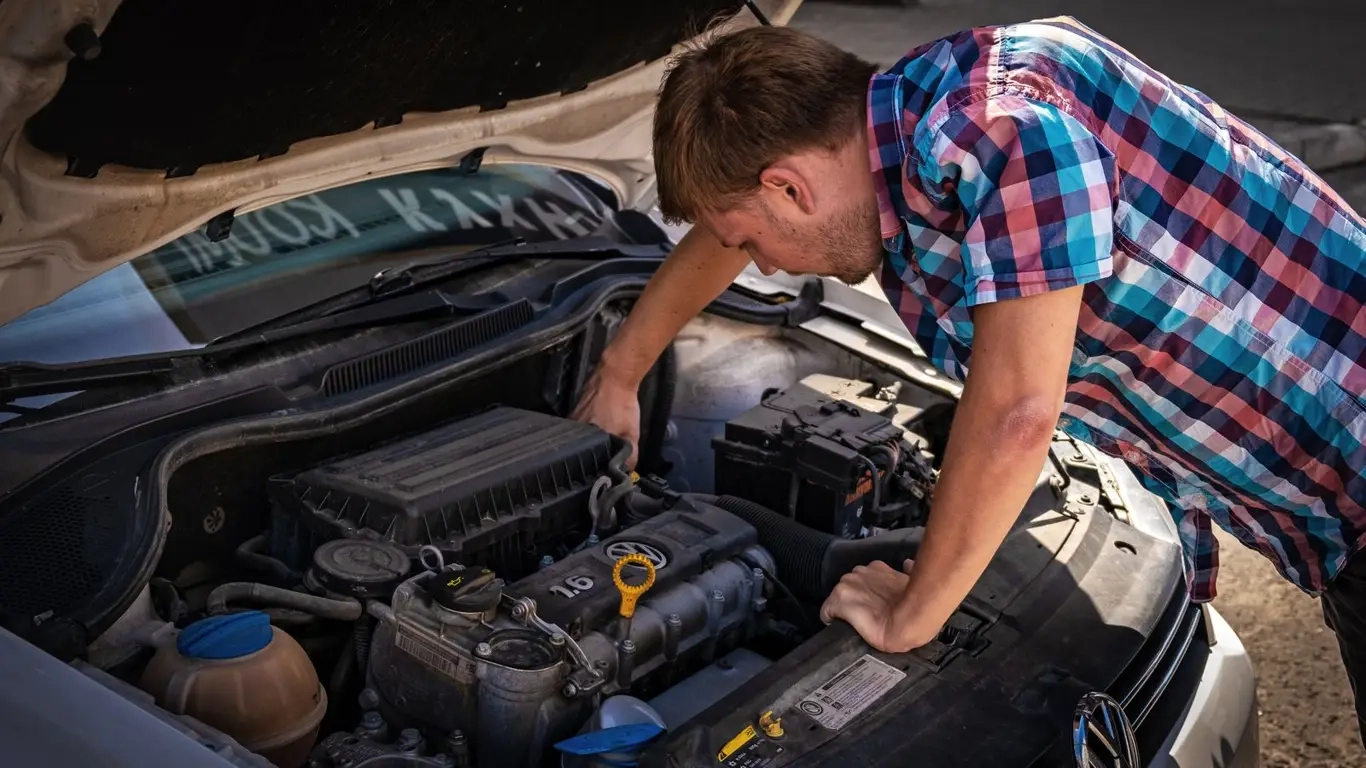
AA call-out statistics show that electric vehicles are more likely to be repaired on the spot than petrol or diesel models. Cases of a completely flat battery make up only a small share of incidents and have dropped significantly since 2015.
Driver anxieties versus technical reality
Even so, research by Autotrader and the AA found that 44% of would-be EV buyers fear breaking down on a trip. The worry is particularly high among drivers over 75 and in the North East of the UK. At the same time, 81% of British garages are already prepared to service electric cars, which lowers the practical risks of ownership. The disconnect is telling: support on the ground has moved faster than public sentiment.
What this means for the EV market
More charging points, a narrowing price gap with combustion models, and a broader service network are steadily reshaping the landscape. The “Electric Cars: The Facts” campaign aims to close the information gap between perception and reality, building confidence in electric mobility.
The AA’s figures indicate that EVs are not only dependable but often easier to get roadworthy again than traditional cars. The main hurdle now is less about engineering and more about long-standing myths—and the market is gradually putting those to rest. Read together, the signals suggest the narrative needs updating more than the cars do.