
BMW has made it clear that the era of large internal combustion engines is far from over. Despite tightening environmental regulations in Europe, the company plans to keep inline six-cylinder engines, V8s, and even V12s in its lineup.
Adapting Engines to the Euro 7 Standard
According to BMW's technical director Joachim Post, the new generation of engines was designed from the start to meet the Euro 7 standard. Key modifications focus on the exhaust system and catalysts, allowing compliance without a radical redesign. This gives BMW an advantage over competitors, for whom the transition could prove much more costly.
The V12 and Rolls-Royce's Role
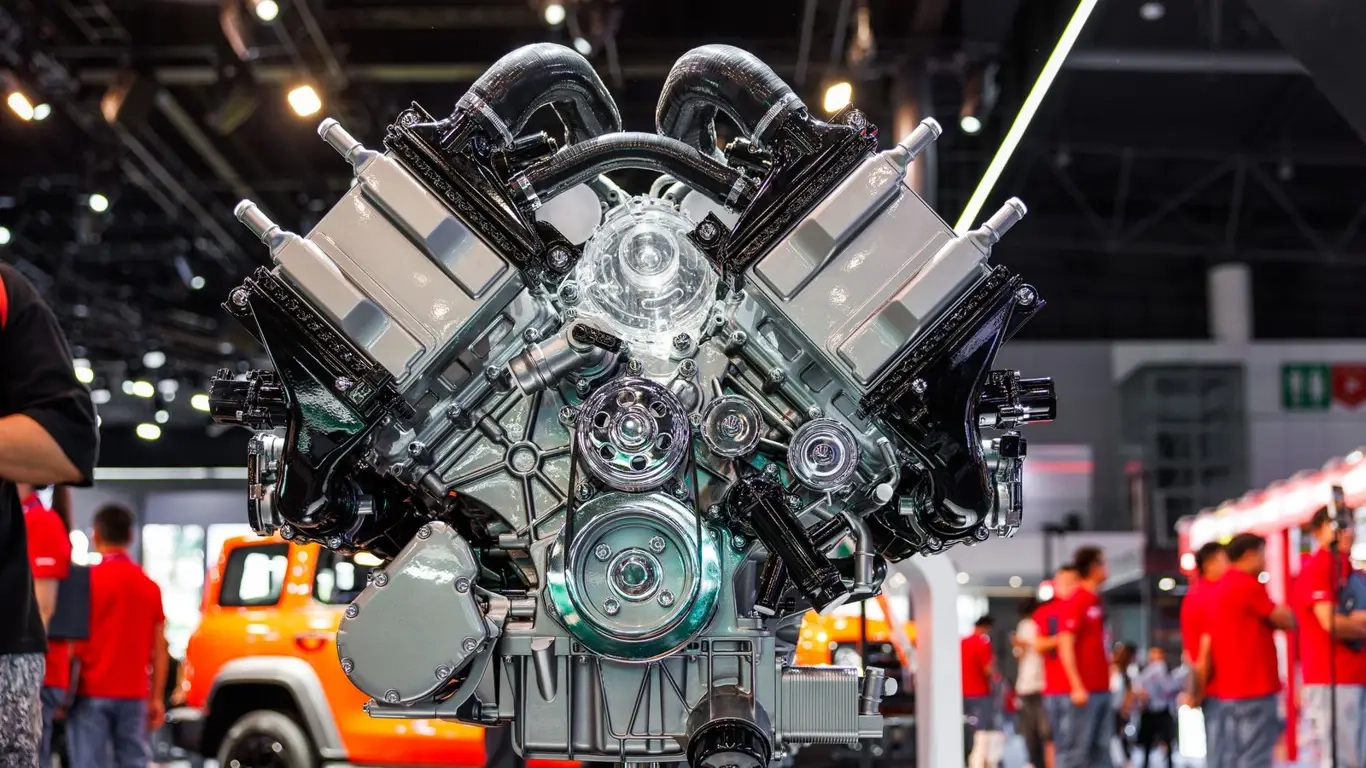
Even the twelve-cylinder engine remains part of the group's strategy. This primarily refers to the 6.75-liter V12, which continues to be used in Rolls-Royce Ghost, Cullinan, and Phantom models.
BMW officially stopped producing its own V12s in 2022, but it's not ruled out that this engine could find applications beyond the Rolls-Royce brand in the future, such as in Alpina projects.
Future M Models and Balancing with Electrification
BMW has confirmed that the next M3 will feature not only a fully electric version but also an internal combustion engine option. The gasoline variant will be equipped with an upgraded 3.0-liter inline six-cylinder S58 engine with a mild hybrid system. A similar approach is being considered for the future M4, whose lifecycle could extend until the end of the decade.
BMW is betting on a diverse range of powertrains and isn't rushing to abandon classic engines. Given that in 2025, over 80% of BMW, Mini, and Rolls-Royce vehicles were still sold with internal combustion engines, the strategy of preserving large engines appears pragmatic and aligned with real customer preferences.