The Mazda 6e is gaining a firm foothold in Europe. The electric liftback has attracted over 7,000 buyers in just a few months, emerging as an unexpected competitor to Volkswagen and Nissan by actively drawing customers away from those brands.
Mazda 6e and the Market
Mazda initially expected 80% of its customers to switch to electric vehicles from within its own brand. However, reality has proven different: more than half of the buyers are actually former owners of other brands. A notable trend is the influx of previous Volkswagen e-Golf owners who skipped the ID.3 and moved directly into a higher segment with the Mazda 6e.
Companies are also transitioning their corporate fleets from the Passat to this new electric model, despite the lack of an estate version. Among those switching are drivers who have grown tired of their first EV, such as Nissan Leaf owners.
Reasons for Success
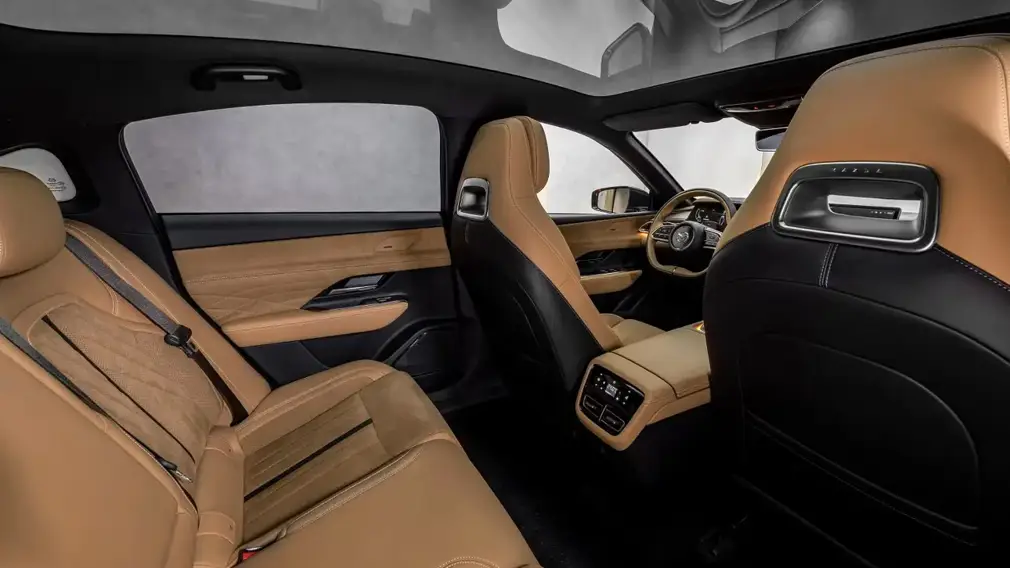
The Mazda 6e is built on the Chinese Deepal L07 platform but has been adapted to meet European standards, featuring quality electronics and a more practical liftback body. This detail matters because it has made the car appealing to those seeking a more affordable, yet modern alternative to the ID.7. For Mazda, this is a crucial step forward. The brand's previous launch, the MX-30, was a failure, and it desperately needed a new EV capable of generating significant sales volume.
Mazda's Strategy in Europe
Mazda aims to sell up to 40,000 electric vehicles in Europe by the end of the year, including the upcoming CX-6e. However, the company acknowledges it cannot develop EVs as rapidly as larger manufacturers.
Due to high tariffs on Chinese electric cars, Mazda has no plans to introduce range-extender versions in Europe, even though they are available in China. In practice, the success of the 6e and CX-6e will be critically important for Mazda to lower its average CO₂ emissions and avoid potential fines in 2026.