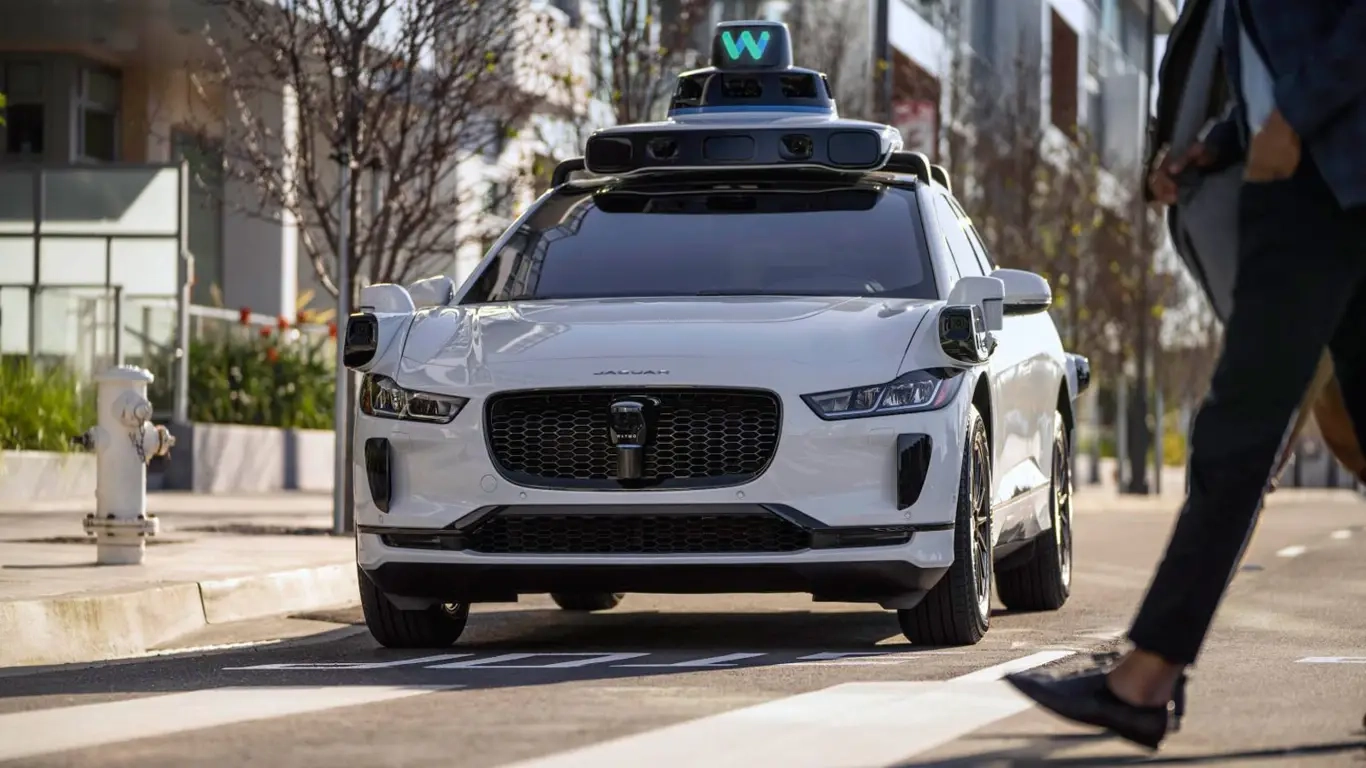

Published data reveals that autonomous robotaxis are involved in accidents at a significantly higher rate than human-driven vehicles. Specifically, the frequency of crashes involving these self-driving cars is approximately 400% greater than those operated by people.
Autonomous driving system developers, including Waymo and Cruise, have previously emphasized safety as a priority and claimed their technology would reduce incidents. However, the statistics indicate a substantial gap between these expectations and the actual performance on the roads.
A separate incident involving a Tesla equipped with an autonomous driving system, which drove into a body of water, has further fueled debate. This event has intensified discussions about the reliability of autopilot technologies.
While autonomous transportation is touted as a crucial milestone in mobility evolution, these new findings raise questions about the pace of its adoption. As new 2026 model year vehicles increasingly feature advanced driver-assistance systems, experts stress the need for further algorithm refinement before a full-scale shift to completely driverless transportation can occur.