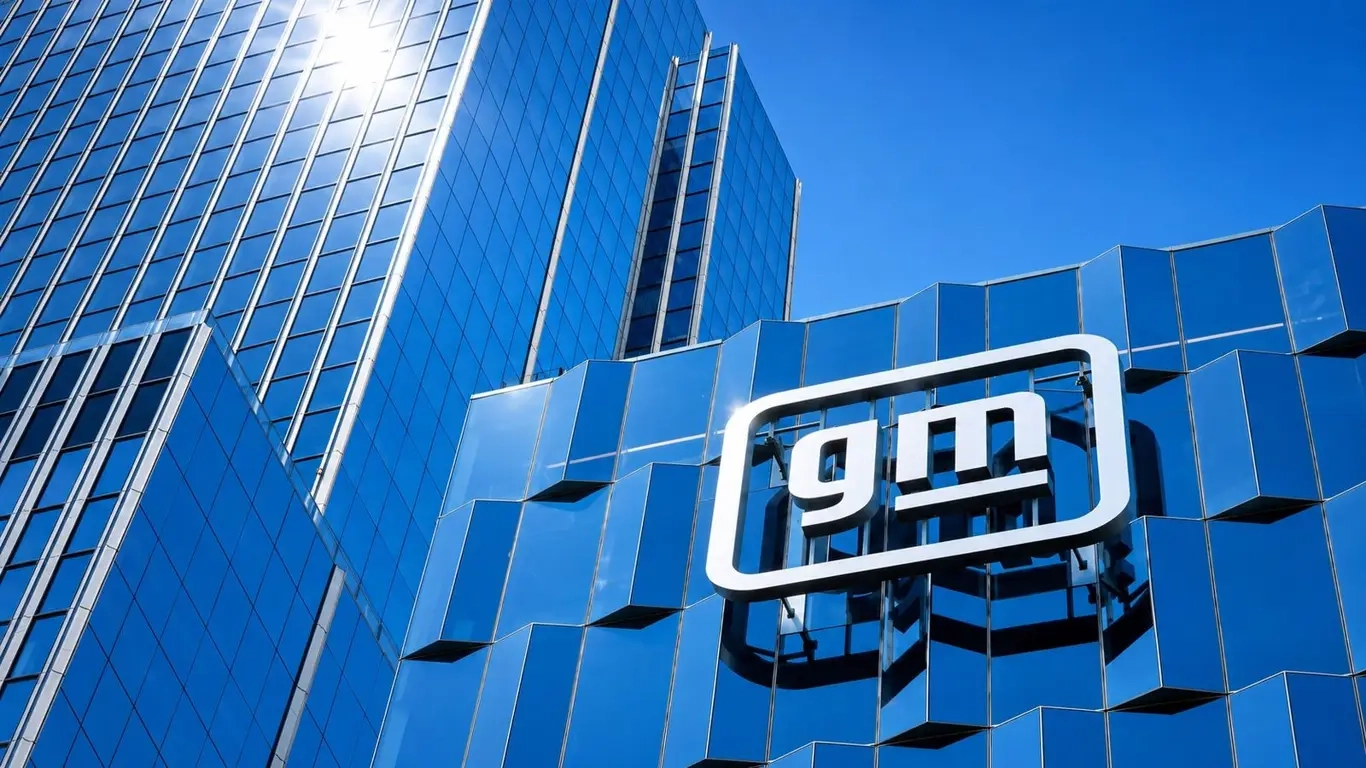

A nasty signal just landed in Detroit. General Motors dropped five places on the 2026 Fortune 500 list, sliding from No. 18 to No. 23 among the largest U.S. companies ranked by revenue.
This isn’t a collapse of the business. It’s something worse — a symptom. Fortune put GM’s revenue at $185 billion, down 1.3% year over year. But the real alarm bell is net income: down 55.1%, to roughly $2.7 billion. More than cut in half.
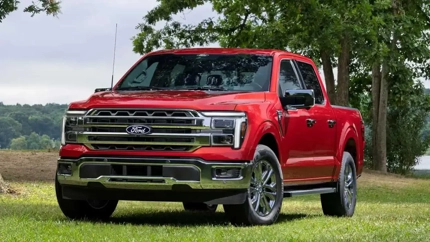
And then comes the part that makes Detroit wince. Ford ended up above GM, claiming the No. 22 spot with $187.3 billion in revenue. With a net loss of $8.2 billion to its name. Tesla, meanwhile, sits much further down — No. 43, with $94.8 billion in revenue. Yet its market value still leaves both Detroit giants far behind.
Here’s the mechanic of it. The Fortune 500 ranks by revenue — not by market cap, not by tech promise, not by brand equity. So GM is still one of the largest companies in the American economy. But today, even a small dip in turnover costs you several rungs on the ladder — especially when tech giants are charging up from below.
The top of the list flipped too. Amazon overtook Walmart for the first time in years and grabbed the No. 1 spot. And Nvidia jumped 15 places to lock in No. 16, after revenue blew past $215 billion on the AI infrastructure wave.
The takeaway for GM is unpleasant but unambiguous. The challenge now goes well beyond moving more cars. The company has to hold volume and profitability in a world where the auto business no longer competes for investors’ attention with Ford and Tesla alone. It competes with AI, cloud and everything else that, five years ago, nobody in Detroit even saw as a rival.