
American automakers have written off around $40 billion in electric vehicle investments following the cancellation of federal mandates requiring a set share of EV sales. Previously, the Biden administration had aimed to raise their proportion to 50% by 2030, but new regulatory decisions have scrapped these rules.
Despite this, major companies aren't abandoning electric vehicles. The reason lies in the need to comply with laws in individual states, primarily California, where 100% of sales must be electric by 2035. Starting this year, the EV share there is set at 36%. Eleven other states have adopted similar regulations.
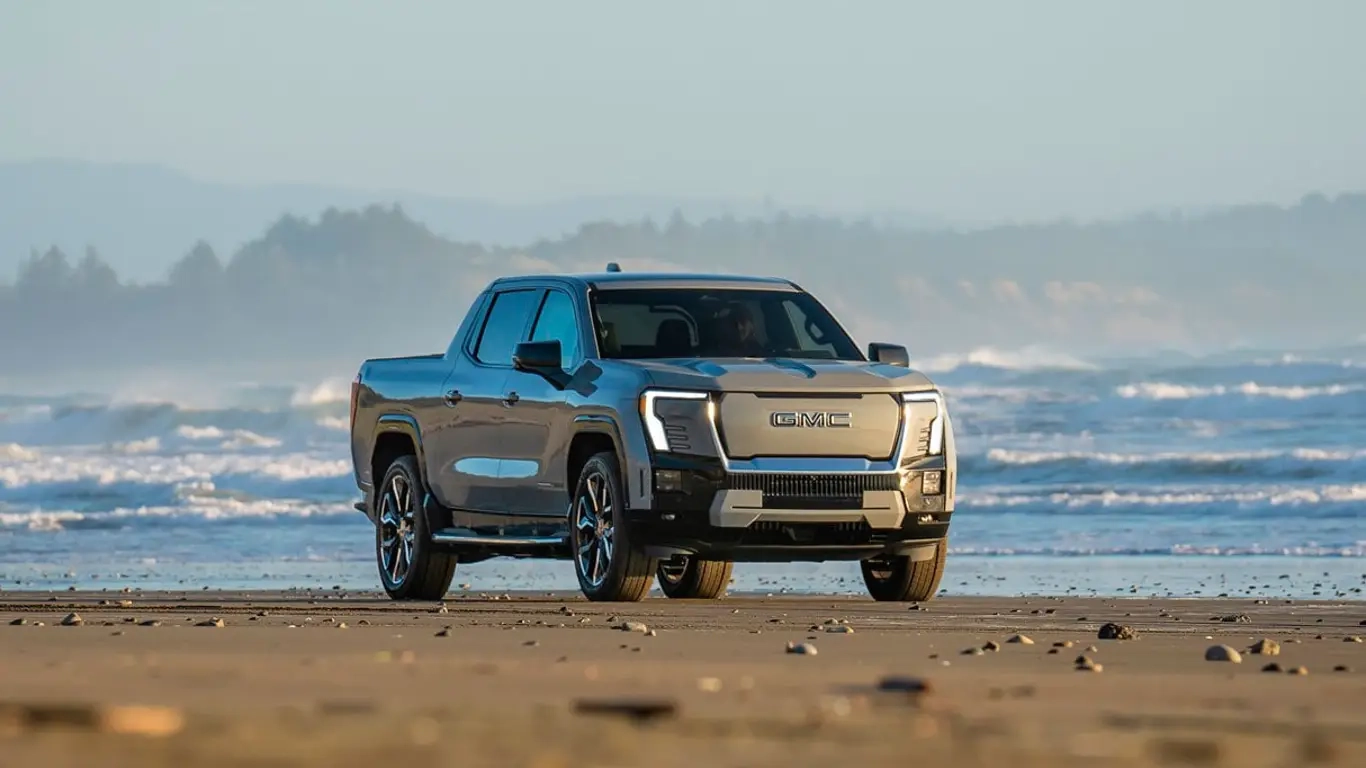
General Motors wrote down $6 billion in January, adjusting its sales plans from a previous target of 1 million EVs per year by 2030. The company estimates medium-term demand will account for 5–10% of the market. In 2025, 1.27 million electric vehicles were sold in the U.S., representing 7.8% of the market.
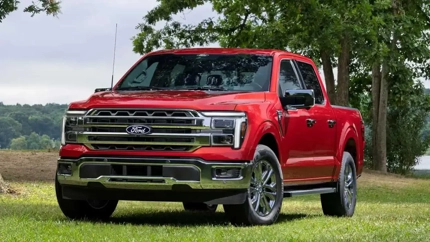
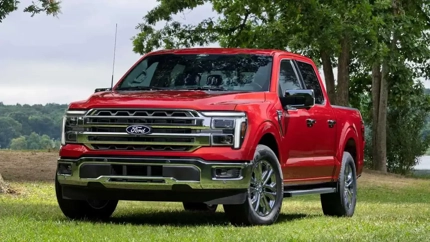
Ford has canceled several electric projects, including the F-150 Lightning and a large SUV, but is developing a new Universal EV platform with a target price of $30,000 to $35,000. The manufacturer aims to strengthen its position in the urban electric car segment.
Overall, despite changes in federal policy, automakers continue to advance their electric initiatives, driven by global competition and regional market demands.