
Japanese cars almost always travel one way — from Japan to the rest of the world. But every now and then the arrow flips. Tarantas News looked back at how Japanese brands shipped their own models to the United States — and then quietly brought them back home as exotic outsiders. The trick has a name: reverse import.
The logic is simple, but paradoxical. Americans wanted entirely different cars from the Japanese. Across the Pacific the demand was for big sedans, minivans, SUVs and pickups — exactly the kind of metal that never made sense on Japan’s narrow streets, with their kei cars and tight parking. So Honda, Toyota, Nissan and others built separate models for the US. And then, in small batches, shipped them back home as a curiosity for their own market.
These cars weren’t just different because of where they were assembled. Left-hand drive, different lights, different engines, bigger bodies, trims tuned for American taste. Japanese badge on the outside — American character underneath. That contrast was the whole point for enthusiasts. Which is exactly why reverse import never grew into a real business — it stayed a story for collectors of rare versions.
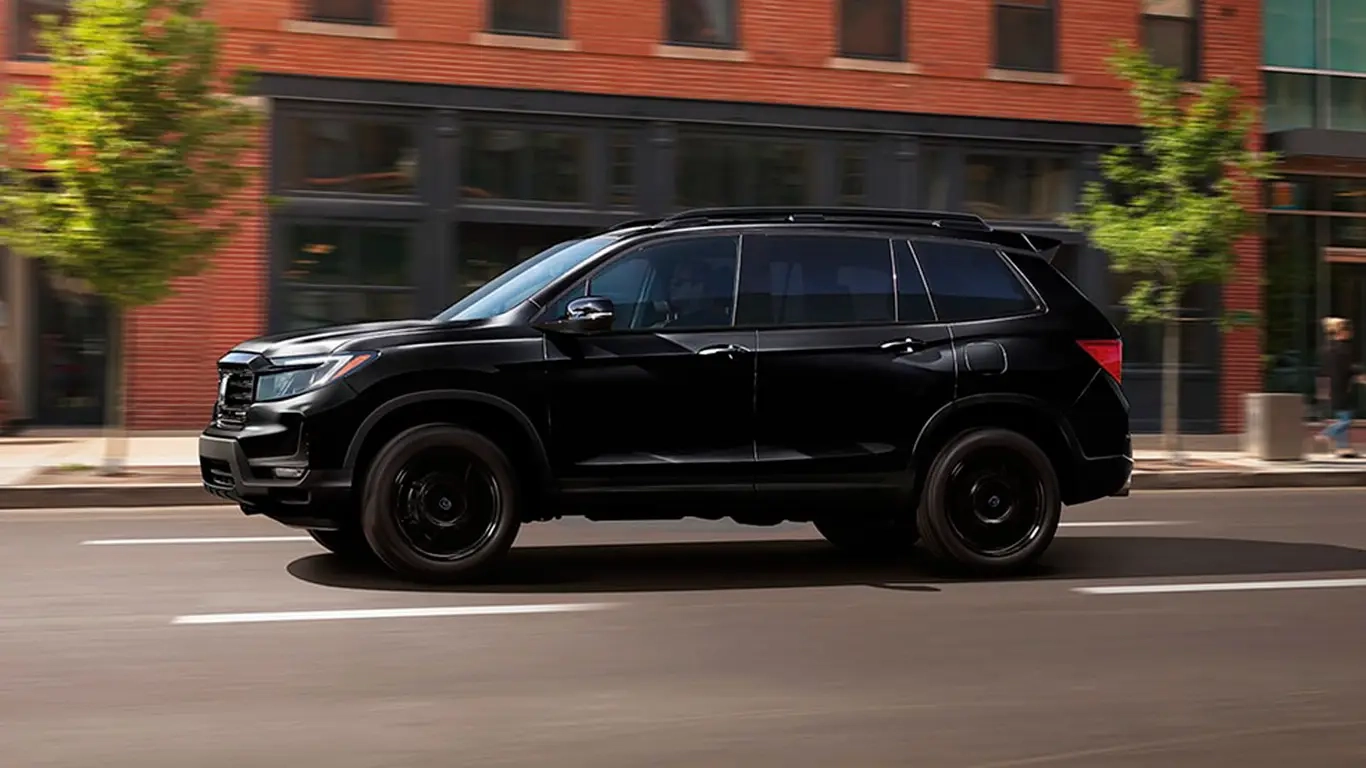
In 2026 the topic is suddenly alive again. Honda plans to send the Acura Integra Type S and Passport TrailSport Elite from the US to Japan — both keeping their US specs, including left-hand drive. Nissan is preparing the return of the Murano from Tennessee in 2027. And all of it became possible after February 2026, when Japan’s transport ministry rolled out fast-track certification for vehicles already meeting US standards. An old niche scheme suddenly has a brand-new lease on life.


